Author: WorldPassports Team

  • What Makes Cyprus a Paradise for Real Estate Investment?

    What Makes Cyprus a Paradise for Real Estate Investment?

    Key Takeaways

    • To qualify, one must invest in residential, commercial, or land property following the criteria set by the investment program, including a substantial investment in real estate and possibly other economic sectors.
    • The minimum real estate investment for Cyprus residency, different from the citizenship program, is usually around €300,000 (Euros), aimed at securing a permanent residency status rather than citizenship.
    • It can lead to EU citizenship, as Cyprus is a member of the European Union, allowing successful applicants to work, travel, and live anywhere within the EU.
    • Eligible properties for the program include residential properties, commercial buildings, development projects, or a combination thereof, provided they meet the government’s investment criteria.
    • The tax benefits include low property taxes, no inheritance tax, and favorable tax rates on rental income, making it an attractive destination for investors seeking tax efficiency.

    Did you know that investing in real estate in Cyprus could be a golden gateway to securing a future in Europe?

    Yes, you read that correctly! 

    With a mesmerizing blend of sparkling blue seas, sun-drenched beaches, and ancient heritage, Cyprus offers tourists and investors an enticing blend of history and modernity.

    Whether you’re a seasoned investor or dipping your toes into international real estate for the first time, this guide is your key to understanding the Cypriot property market.

    In This Article, You Will Discover:

      Are you ready to embark on a journey that could change your life? 

      Dive into the world of real estate investment in Cyprus with us…

      *Disclaimer: All amounts mentioned in this article were correct at the time of publication and might have shifted since.

      What Does Real Estate Investment Entail in Cyprus?

      Exploring real estate investment in Cyprus reveals opportunities in thriving markets and significant benefits like residency and tax advantages.

      What is Real Estate Investment?

      Real Estate Investment is the process of acquiring, owning, and managing properties with the goal of generating income or achieving capital appreciation.

      Investors can invest in different types of real estate, such as residential, commercial, and industrial properties.

      Strategies for real estate investment may include renting out properties for rental income, participating in property development projects, or holding properties for long-term appreciation.

      Real estate is a tangible asset class that provides potential returns, diversification, and a hedge against inflation.

      Before making real estate investment decisions, investors should conduct due diligence, assess market conditions, and carefully consider potential risks and rewards.

      What is Cyprus Real Estate Investment?

      Cyprus Real Estate Investment involves the act of investing in properties within the Republic of Cyprus. This can include residential, commercial, or industrial real estate assets, and investors may choose to participate in the growth and development of the Cypriot property market.

      Cyprus, located in the Eastern Mediterranean, offers various opportunities for real estate investment, but it’s crucial for investors to conduct thorough research, consider local market conditions, and adhere to legal regulations governing real estate transactions in Cyprus.

      Why Consider Real Estate Investment in Cyprus?

      You should consider investing in real estate in Cyprus, as this sun-kissed Mediterranean nation offers a unique blend of appealing lifestyle and investment opportunities. 

      With its robust economic growth, political stability, thriving tourism sector, and excellent standard of living, investing in Cyprus’s real estate sector offers multiple advantages. 

      Strategically located at the crossroads of Europe, Asia, and Africa, Cyprus real estate offers significant potential for capital appreciation and rental income. 

      And guess what?

      Investing in Cyprus real estate also serves as a pathway to Cypriot permanent residency via its Golden Visa program

      Are you intrigued yet? 

      Read on.

      How Does Cyprus’ Real Estate Market Compare to Other EU Markets?

      The real estate market in Cyprus, compared with other European countries, has some unique characteristics that set it apart, including lower property prices in some areas.

      Here are some points of comparison we feel you should consider:

      • Property prices: Compared to some Western European countries, such as the UK, France, or Germany, Cyprus generally offers more affordable property prices. While prices vary depending on location and property type, Cyprus tends to have a lower price range, making it attractive for buyers looking for affordable real estate options.
      • Market stability: The real estate market in Cyprus experienced a significant downturn during the global financial crisis in 2008, resulting in a decline in property prices. However, since then, the market has shown good signs of recovery and has been relatively stable in recent years. Other European countries may have had more stable and mature markets with fewer fluctuations in property prices over time.
      • Foreign investment: Cyprus has been successful in attracting foreign investment in its real estate market, particularly through its residency program. The availability of this program has stimulated demand from international buyers, especially from non-EU countries. While other European countries also attract foreign investment, the specific incentives and programs offered by Cyprus have made it particularly appealing to investors seeking residency benefits.
      • Rental market: Tourism and a sizable expatriate population have historically driven Cyprus’s rental market. Many property owners in Cyprus benefit from rental income, especially in popular tourist areas. Other European countries with strong tourism sectors may also have active rental markets, but the unique appeal of Cyprus as a holiday destination and its strategic location in the Mediterranean contribute to its rental market potential.
      • Regulation and transparency: Cyprus has made efforts to enhance regulation and transparency in its real estate market, aligning with EU standards. However, it’s worth noting that some other European countries may have more developed regulatory frameworks and stricter property market regulations in place.
      • Market size and diversity: Cyprus has a relatively small real estate market compared to larger European countries. The available property options, both in terms of type and location, may be more limited compared to markets with larger inventories and diverse offerings. However, Cyprus does offer a range of property types, including apartments, villas, and commercial properties, to cater to different investment preferences.

      Bear in mind

      We advise that you conduct thorough research and seek professional advice specific to the location and type of investment you’re considering.

      Real estate markets can vary significantly within a country, so it’s important that you gather as much information as possible before investing. 

      What Are the Prime Regions for Real Estate Investment in Cyprus?

      Several regions in Cyprus are considered attractive for real estate investment, for reasons ranging from modern infrastructure to proximity to amenities. 

      The ideal real estate region for you will depend on your main needs and priorities.

      To help you decide, here’s our list of real estate regions in Cyprus with excellent investment potential:

      • Limassol: Limassol, the second-largest city in Cyprus, is a major business and financial hub, attracting both local and international investors. Limassol offers a range of investment opportunities, including luxury apartments, commercial properties, and beachfront villas. The city has seen significant development in recent years, with modern infrastructure, high-end shopping districts, and a vibrant nightlife. 
      • Paphos: Paphos is a popular tourist destination with rich history and culture, including UNESCO World Heritage Sites. Paphos offers a mix of coastal properties, golf resorts, and traditional Cypriot-style villas. The region benefits from a year-round tourism market, making it attractive for rental income. Paphos has also seen infrastructure improvements in recent years, including the expansion of Paphos International Airport, enhancing its accessibility and desirability for investors.
      • Nicosia: Nicosia is the capital city of Cyprus and offers a range of investment opportunities, including commercial properties, office spaces, and residential developments. Nicosia’s real estate market caters to both local and international buyers, and it has a growing rental market due to its high student population and expatriate community. The city’s central location makes it an attractive investment option, and ongoing urban regeneration projects contribute to its investment potential.
      • Larnaca: Larnaca is a coastal city with a bustling port and an international airport, making it a popular entry point for tourists and investors. It offers a mix of residential and commercial properties, including beachfront apartments, townhouses, and retail spaces. Larnaca has experienced significant development and infrastructure improvements in recent years, including the construction of the Larnaca marina, which has increased its appeal as an investment destination. 
      • Famagusta: Famagusta, particularly in the eastern part of the region, offers attractive property prices, especially for off-plan developments, and has seen an increase in foreign investment. Famagusta boasts beautiful beaches, including the famous Ayia Napa, and offers a mix of holiday apartments, villas, and hotel resorts. The region’s potential for tourism growth and ongoing infrastructure projects make it an area to watch for real estate investment.

      Take note 

      Investment opportunities and market conditions can change over time.

      Our advice to potential investors is always to conduct thorough research and seek local expertise before investing in any real estate.

      Can Investment in Cyprus Real Estate Lead to Cyprus Citizenship?

      No, you can’t get citizenship directly by investing in Cyprus real estate.

      As of October 2020, Cyprus has suspended its citizenship by investment program.1 

      You can, however, still obtain residency through investment in Cyprus via its Golden Visa program.  

      Is Cyprus Residency Required to Purchase Real Estate?

      It’s not essential to become a resident of Cyprus to buy real estate there. 

      EU and non-EU citizens are permitted to buy property in Cyprus.

      Does Property Ownership in Cyprus Ease the Path to Permanent Residency?

      Yes, owning property in Cyprus facilitates the pathway to permanent residency in the country. 

      In fact, purchasing property in Cyprus is a crucial part of the residency process.

      Additional steps on the path to Cypriot residency include application, evaluation, and approval.2 

      What Restrictions Exist on Foreign Real Estate Investment in Cyprus?

      Yes, there are a few restrictions on foreign investment in Cyprus real estate, but they’re easily navigable with the right advice. 

      Foreign investment in Cyprus is generally welcomed and encouraged, but there are a few conditions and specifics you should be aware of.

      Let’s walk through them.

      Is Council of Ministers’ Permission Required for Real Estate Purchase?

      Non-EU citizens who wish to buy property in Cyprus must obtain permission from the Council of Ministers. 

      This procedure is merely a formality, but it’s an essential part of the process. 

      The good news? 

      This permission is almost always granted to bona fide applicants.

      What Are the Real Estate Investment Rules for UK Citizens Post-Brexit?

      Post-Brexit, UK citizens are no longer EU citizens and thus fall under the same category as other non-EU investors. 

      As a result, UK citizens also need to obtain permission from the Council of Ministers when buying property. 

      What Is the Process for Real Estate Investment in Cyprus?

      The process of buying real estate in Cyprus is relatively straightforward and involves a well-defined sequence of steps. 

      Let’s discuss the steps and ensure that you’re well-equipped to navigate this journey.

      Step 1: How to Find a Lawyer for Real Estate Investment in Cyprus?

      Your first step should be to hire a local lawyer, because understanding the nuances of a foreign country’s real estate laws can be challenging. 

      An experienced local lawyer can guide you through the process, ensuring that your investment is safe and your rights are protected.

      Step 2: How to Identify and Offer on Your Ideal Cyprus Property?

      Next, you need to find a property that fits your needs and budget. 

      Our team advises that you do your research, explore different areas, consider future growth prospects, and make an informed choice. 

      Once you’ve chosen, make a formal offer.

      Step 3: How Do You Submit Form 145 for Cyprus Property Purchase?

      If you’re a non-EU citizen, you’ll need to obtain permission from the Council of Ministers to buy property. 

      This is done by submitting Form 145, and your lawyer can help you complete and submit this form.

      Step 4: What Is the Reservation Fee for Buying Property in Cyprus?

      After your offer is accepted, you’ll be required to pay a non-refundable reservation fee to secure the property. 

      This step ensures the property is taken off the market and reserved for you.

      Step 5: What Does Due Diligence Involve in Cyprus Property Investment?

      Now, it’s time for due diligence, which is a crucial step to protecting your investment. 

      Your lawyer will check the property’s title, ensure there are no outstanding mortgages or liens, and verify all legalities.

      Step 6: How to Handle Contracts of Sale and Payments in Cyprus?

      Once due diligence is completed, you’ll enter into a contract of sale and make the agreed payment. 

      Your lawyer will help you understand the contract’s details and ensure all clauses are in your favor.

      Step 7: How to Register Your Property at Cyprus Land Registry?

      After the contract is signed, you’ll need to register the property in your name at the Land Registry. 

      This step officially recognizes you as the new owner of the property.

      Step 8: What Is the Process for Transferring Title Deeds in Cyprus?

      The final step involves the transfer of title deeds into your name, confirming your ownership. 

      This means you’re now a property owner in Cyprus – congratulations!

      What Are the Costs Associated with Real Estate Investment in Cyprus?

      The costs involved in investing in Cyprus extend beyond the purchase price of your chosen property, but they aren’t overly complex. 

      If you factor these costs into your overall budget, you’ll be ahead of the game. 

      Here we go:

      What Legal Fees Can You Expect When Investing in Cyprus?

      Hiring a lawyer is a necessary expense for navigating the legalities of buying property in Cyprus. 

      Fees can vary based on the complexity of your case and the reputation of the lawyer.

      What Are the Typical Surveyor’s Fees in Cyprus?

      If you choose to hire a surveyor to evaluate the property before purchasing it, you’ll need to account for this cost.

      How Much Is the Stamp Duty for Cyprus Property Transactions?

      Stamp duty can be broken into contracts of purchase and the power of attorney and is a tax levied on legal documents. 

      The amount depends on the purchase price of the property.

      Here’s what you should know:

      What Are the Standard Contracts of Purchase in Cyprus?

      The preparation and execution of purchase contracts often involve costs. 

      These can include notary fees and administrative expenses.

      How to Set Up Power of Attorney for Cyprus Property Deals?

      If you authorize someone to act on your behalf in Cyprus, there’ll be a cost for drawing up this legal document.

      What Are the Property Transfer Fees in Cyprus?

      Transfer fees are fees paid to the Land Registry to transfer the property title into your name.

      How Much VAT Is Charged on Cyprus Property Purchases?

      VAT is applied to new properties. 

      It’s typically 19%, but reduced rates apply in some cases.3

      What Are the Fees for Cyprus Land Registry Services?

      Land registry fees are charged for various actions, like property registration and obtaining copies of documents.

      What Property Taxes Must You Pay in Cyprus?

      Owners of property in Cyprus are liable for an annual property tax based on the market value of the property.

      What Local Authority Charges Apply in Cyprus?

      Local Authorities vary based on the location and size of the property and cover things like garbage collection, street lighting, and sewerage.

      What Are the Communal Expenses for Properties in Cyprus?

      If your property is part of a complex or residential community, you’ll likely need to pay communal expenses for shared services like maintenance and cleaning.

      What Insurance Is Required for Property in Cyprus?

      Property insurance is another essential cost. 

      Premiums vary based on the property’s value and the extent of coverage.

      What Tax Implications Should You Consider When Investing in Cyprus?

      The tax implications of investing in Cyprus will make or break your investment success, so we always advise that you obtain specialized guidance from tax professionals. 

      As a potential Cypriot resident, understanding the tax landscape in Cyprus is an essential part of your investment planning. 

      Let’s walk through the key tax considerations:

      How Does Worldwide Income Tax Affect Cyprus Property Owners?

      If you’re a tax resident of Cyprus, you’ll be subject to tax on your worldwide income. 

      However, the progressive tax system ensures that taxation is fair and proportional to your income level.

      What Are Defense Contributions for Property Owners in Cyprus?

      Cypriot residents are liable for Defense Fund contributions on various types of income.4 

      However, non-residents are exempt from this, making it a key consideration.

      What Makes Cyprus’ Capital Gains Tax Regime Attractive?

      Cyprus has an appealing capital gains tax regime. 

      There’s a flat rate of 20% on gains from the sale of real estate located in Cyprus.

      Consider these points too:

      • Only Applicable to Cyprus-Based Properties: Remember, the capital gains tax only applies to properties located in Cyprus. Gains from properties outside Cyprus aren’t taxed.
      • Exemptions & Allowances: There are various exemptions and allowances that could reduce your overall tax liability, such as the exemption on the sale of a primary residence under certain conditions.
      • Chargeable Gains: Chargeable gains from the sale of shares in companies that own real estate in Cyprus may be subject to capital gains tax.

      How Can You Benefit from Tax-Free Investment Income for 17 Years in Cyprus?

      Here’s a unique perk: individuals who become tax residents in Cyprus (without being residents for the previous 17 years) are exempt from tax on their worldwide investment income for 17 years.

      What Are the Tax Rates for Foreign Pensions in Cyprus?

      Cyprus offers favorable tax rates for foreign pensions, making it an attractive destination for retirees.

      Is There No Inheritance Tax for Property Owners in Cyprus?

      Great news! There’s no inheritance tax in Cyprus. 

      This makes it a favorable environment for preserving and passing on wealth to future generations.

      Does Cyprus Have No Wealth Tax for Property Investors?

      Lastly, Cyprus doesn’t levy a wealth tax. 

      This is another aspect that makes it an attractive place for high-value investments.

      Common Questions

      In Conclusion

      While the citizenship by investment program in Cyprus may have been discontinued, investing in real estate on this captivating Mediterranean island remains a powerful move. 

      Whether you’re pursuing a residency permit, looking to enjoy the country’s robust economy and beautiful landscapes, or aiming to optimize your tax planning, buying property in Cyprus is a step worth considering.

      However, like any substantial investment, it’s essential that you do your homework regarding the costs involved, familiarize yourself with the process, engage with experienced local professionals, and keep abreast of the latest regulatory updates.

      The path to real estate investment in Cyprus is well-trodden and potentially very rewarding, so perhaps it’s time for you to take that step forward with our experienced team!

      Are you wondering whether the real estate possibilities in other countries are as attractive? 

      We’ve got plenty more articles for you to peruse.

    • Why Is Malta Considered a Dream Destination for Real Estate Investors?

      Why Is Malta Considered a Dream Destination for Real Estate Investors?

      Key Takeaways

      • To qualify for Malta’s real estate investment program, investors must purchase approved property or enter into a rental agreement at set minimum values, alongside making a significant contribution to the national development fund and investing in government bonds or stocks.
      • The minimum for residency through the Malta Residence and Visa Program (MRVP) is approximately €320,000 for properties in the main island and €270,000 for those in Gozo or the South of Malta, along with a government contribution and a bond investment.
      • It can lead to citizenship under the Malta Citizenship by Naturalization for Exceptional Services by Direct Investment, requiring a higher investment threshold and a residency period before citizenship is granted.
      • Benefits include potential capital growth, a stable rental market, visa-free travel within the Schengen Zone for residents, and the lifestyle and climate of the Mediterranean.
      • It impacts tax liabilities by potentially subjecting investors to local taxes on rental income, though they have advantageous tax rules, including no inheritance or wealth taxes and double taxation treaties with numerous countries to prevent paying tax twice on the same income.

      Real estate investment in Malta has become increasingly popular, not only as a means of obtaining the coveted Maltese passport but also as a lucrative investment opportunity.

      Known for its breathtaking landscapes, mild climate, and popularity as a location for film shoots, Malta beckons tourists and immigrants alike. 

      As a member of the EU, Malta provides incredible access to a uniquely European tourist and lifestyle experience. 

      In This Article, You Will Discover:

        If you’re serious about navigating the Maltese property market and gaining potential citizenship by investing in the country, stay with us as the WorldPassports team unravels all you need to know to purchase real estate in the country. 

        *Disclaimer: All amounts mentioned in this article were correct at the time of publication and might have shifted since.

        What Should You Know About Real Estate Investment?

        Real estate investment involves purchasing property to generate income or capital gains, serving as a long-term asset with potential financial stability.

        What Is Real Estate Investment?

        Real Estate Investment involves the acquisition, ownership, and management of properties with the aim of generating income or achieving capital appreciation.

        Investors diversify their portfolios by investing in different types of real estate, such as residential homes, commercial buildings, or industrial spaces.

        Strategies for Real Estate Investment may include renting properties for regular income, participating in property development projects, or holding properties for long-term value appreciation.

        Real estate serves as a tangible asset class, offering potential returns, diversification benefits, and acting as a hedge against inflation.

        Before making real estate investment decisions, investors should conduct thorough due diligence, assess market conditions, and carefully evaluate potential risks and rewards.

        What Is Malta Real Estate Investment?

        Malta Real Estate Investment refers to the practice of investing in properties located in the Republic of Malta, an island nation in the Mediterranean Sea.

        This form of investment encompasses various real estate sectors, including residential, commercial, or hospitality properties within Malta’s real estate market.

        Investors may consider Malta Real Estate Investment for reasons such as the country’s stable economy, strategic location, or its popularity as a tourist destination.

        Before engaging in Malta Real Estate Investment, investors should conduct thorough research, assess local market conditions, and adhere to legal regulations governing real estate transactions in Malta.

        What Are The Advantages of Malta Real Estate Investment?

        Investing in Malta offers significant tax benefits, potential residency or citizenship perks, and a stable market attractive to international investors seeking growth.

        Why Should You Consider Malta Real Estate Investment for Citizenship and Residency?

        You should consider investing in real estate in Malta, as it boasts a Mediterranean climate with year-round sunshine, incredible historical architecture, and a unique blend of Italian, Arabic, and British influences. 

        Its strong economy, robust rental market, and thriving tourism industry mean that Malta’s real estate market presents a solid investment opportunity. 

        Despite global economic uncertainties, Malta’s property market has consistently experienced growth, offering a safe and potentially profitable investment for investors interested in real estate.1

        By European standards, Maltese real estate tends to be comparatively affordable and varied; whether you’re seeking a beachfront apartment or a house with a swimming pool, you can find it in Malta.

        How Does Malta’s Real Estate Market Compare With Other European Investment Opportunities?

        The real estate market in Malta compares favorably with other European countries in that it’s characterized by high demand and driven by a strong tourism market and foreign investment, like its European neighbors. 

        But a few key differences set it apart. 

        Here are some points we’ve compiled for you to consider:

        • Size and population: Malta is a small island nation with a relatively small population compared to many European countries. The limited land availability and high population density can contribute to higher property prices and increased competition in the real estate market.
        • Demand and supply: Malta experiences a strong demand for real estate, driven by factors such as population growth, tourism, and foreign investment. The supply of properties, especially in popular areas like Sliema, St. Julian’s, and Valletta, can be limited, leading to increased property prices and competitive market conditions.
        • Investment and residency: Malta has attracted significant foreign investment in its real estate sector, partly due to its citizenship and residency by investment programs. These programs offer opportunities for non-EU individuals to obtain Maltese citizenship or residency rights through property investment. This has stimulated demand from international buyers and investors.
        • Property prices: Property prices in Malta have been on the rise in recent years, particularly in highly sought-after areas. Due to both local and foreign demand, the market has experienced a period of rapid price growth. However, property prices in Malta, particularly for luxury and prime properties, can be higher compared to some other European countries.
        • Rental market: Malta’s robust tourism industry, large expatriate population, and student population all contribute to the country’s active rental market. The demand for rental properties, especially in popular areas and during peak tourist seasons, can be high. Rental yields can be attractive, although they may vary depending on the location and property type.
        • Infrastructure and development: Malta has invested in infrastructure development to accommodate its growing population and tourism sector. The government has focused on improving transportation, including road networks and public transportation, and enhancing amenities and facilities. These improvements contribute to the overall appeal of the real estate market in Malta.
        • Legal framework and regulations: Malta has established a legal framework to regulate real estate transactions and protect property rights. This includes measures to combat money laundering and ensure transparency in the market. Understanding and complying with the local regulations and procedures is important when engaging in real estate transactions in Malta.

        Each country has its own unique market dynamics and regulatory environment. 

        Apprising yourself of the real estate landscape in Malta will prepare you for a more seamless journey to investment. 

        Where Can You Find Investment Opportunities in Malta?

        Malta’s investment opportunities are plentiful, particularly in burgeoning regions like Sliema and Valletta, known for their robust tourism and expatriate communities.

        Which Regions in Malta Offer the Best Real Estate Investment Opportunities?

        Several regions in Malta offer excellent potential for real estate investment.

        Here’s our expert opinion on Malta’s real estate regions worth considering:

        • Sliema: Located along the northeastern coast, Sliema is a highly sought-after area known for its vibrant atmosphere, waterfront promenade, and array of amenities including shops, restaurants, and entertainment options. The demand for properties in Sliema is consistently high, making it an attractive investment option.
        • St. Julian’s: Adjacent to Sliema, St. Julian’s is another popular area for real estate investment. It offers a mix of residential and commercial properties, including luxury apartments and penthouses. St. Julian’s is known for its lively nightlife, marina, and waterfront dining options.
        • Valletta: Malta’s capital city, Valletta, is a UNESCO World Heritage site renowned for its rich history and architecture. Investing in Valletta allows for opportunities in restoration projects, boutique hotels, or high-end residential properties. The city’s appeal, cultural events, and tourism contribute to the market potential.
        • Marsaxlokk: Situated in the southeastern part of Malta, Marsaxlokk is a traditional fishing village known for its colorful fishing boats and fish market. The area offers a more tranquil and authentic atmosphere, attracting investors looking for a relaxed lifestyle or holiday homes with a traditional touch.
        • Mellieħa: Located in the northern part of Malta, Mellieħa is known for its picturesque beaches, countryside views, and historical sites like the Mellieħa Bay and Popeye Village. The area offers a mix of apartments, villas, and townhouses, making it appealing for both residential and holiday home investments.
        • Gozo: As Malta’s sister island, Gozo offers a more rural and peaceful environment compared to the main island. Gozo attracts those seeking a slower pace of life, natural beauty, and traditional charm. Investing in properties such as farmhouses or villas in Gozo can offer opportunities for vacation rentals or a serene second home.

        What Are the Restrictions on Foreign Real Estate Investment in Malta?

        Yes, there are some restrictions on foreign investment in Malta, although most are very reasonable and easily navigable. 

        For instance, non-Maltese citizens are typically only allowed to buy one property in Malta, and this property must be intended to be used as a primary residence. 

        However

        There are no restrictions on purchasing property in Special Designated Areas (SDAs), like large-scale developments and luxury properties, where foreigners can buy multiple properties and rent them out.

        For the most part, Malta is very friendly to outside investment and has safeguards in place to regulate the recovery of capital and profits for foreign investors in Malta.2

        How Does Investing in Malta Real Estate Benefit the Malta Golden Visa and Citizenship Programs?

        If Malta citizenship or residency sounds appealing to you, investing in real estate in Malta could be the vehicle that takes you there.

        Let’s explore the ins and outs of it:

        Can Investment in Malta Real Estate Secure Malta Citizenship by Investment?

        Yes, citizenship by investment (CBI) in Malta can be obtained by making a minimum investment in Maltese real estate, along with additional donations, a mandatory period of residency, and a very thorough vetting process. 

        Also known as the Citizenship by Naturalization for Exceptional Services by Direct Investment program, it’s one of the most popular CBI programs in Europe, despite its rigorous due diligence process.

        Does Malta Real Estate Investment Qualify You for the Malta Residency and Visa Program?


        Yes, you can get residency if you invest in Malta real estate (RBI) through the Malta Permanent Residency Program (MPRP). 

        Applicants can expect to invest no less than €150,000 via this route. 

        After 5 years of maintaining permanent residency status in Malta, you’ll be able to apply for citizenship by naturalization. 

        What Are The Steps to Invest in Malta Real Estate for Residency?

        The process of buying real estate in Malta needn’t be overly complicated. 

        If purchasing real estate in Malta is an investment route you’ve chosen, it’s worth planning for the journey (particularly if you’re purchasing property to participate in Malta’s CBI or RBI programs).

        We’ve broken down the process into 10 simple steps for you.

        Step 1: How Do You Apply for an AIP Permit in Malta Real Estate Investment?

        To buy property in Malta as a foreigner, you’ll need to apply for an Acquisition of Immovable Property (AIP) permit from Malta’s Ministry of Finance.

        If you’re investing in a Special Designated Area (SDA), though, you generally won’t need an AIP. 

        Step 2: Why Should You Hire a Notary for Real Estate Transactions in Malta?

        The notary will draw up the eventual contract of sale and confirm that the seller is legally allowed to transfer the property. 

        The notary will also register the sale with the Public Registry.

        Step 3: Why Consider Hiring a Lawyer for Malta Real Estate Investments?

        While you can navigate the process of buying Maltese real estate without a lawyer, it’s recommended that you hire one.

        A property lawyer can assist in your real estate search and will be in a position to make necessary legal checks related to the property you choose.

        Also

        Securing the specialized services of a lawyer will provide extra support to ensure you comply with Malta’s stringent citizenship by investment requirements.

        Step 4: How Do You Locate Ideal Investment Properties in Malta?

        You can find properties online, but it’s advised that you visit Malta to assist in your Maltese real estate search.

        Drawing upon the services of a reputable Maltese real estate agent is likely to streamline your search dramatically. 

        Step 5: How Do You Make an Offer on Malta Investment Property?

        When you find your ideal property in Malta, the next step will be to negotiate the price with the seller and make an offer.

        At this stage, if your offer is accepted, your lawyer can help you enter into a preliminary sale agreement with the seller. 

        This agreement can specify obligations like the current owner’s work schedule and agreed-upon transaction dates.

        Step 6: What Is the Promise of Sale Agreement in Malta Real Estate Investment?

        Also known as “Konvenju”, a Promise of Sale contract will be the next step in your buying process. 

        This contract amounts to a promise to complete the sale within a specified timeframe. 

        Step 7: How Do You Pay Deposits and Stamp Duty for Property Investment in Malta?

        Convention dictates that you, as the buyer, pay a deposit amounting to 10% of the agreed property price to legally secure it. 

        1% of the total 5% of stamp duty also becomes payable at this point. 

        Step 8: How Does a Notary Conduct Due Diligence in Malta’s Public and Land Registries?

        Your notary public can now carry out a search for the property’s legal title in the Public Registry and Land Registry.3

        Once the notary has established the root of the title, they can produce the final deed of sale.

        Step 9: How Do You Finalize the Deed of Sale in Malta Real Estate Investment?

        The final deed of sale will be signed by both parties (the buyer and the seller) in the presence of the notary public. 

        The notary will then also be responsible for submitting the signed deed of sale to Malta’s Land Registry.

        Step 10: How Do You Complete Your Investment by Paying the Property Balance in Malta?

        The final step in purchasing your Malta real estate will be to settle the remaining balance on the agreed property price.

        Your Maltese property is now yours!

        What Costs Are Involved in Investing in Malta Real Estate? 

        The costs of investing in real estate in Malta extend beyond the minimum required property investment. 

        The involvement of specialized professionals and various attendant legal fees must be taken into account, too. 

        Let’s go over some of those additional costs:

        What Are the AIP Permit Fees for Malta Real Estate Investors?

        To purchase property in Malta as a non-EU citizen, you’ll need to apply for an Acquisition of Immovable Property (AIP) permit (unless you’re purchasing real estate in a Special Designated Area).

        The cost of this typically comes to the equivalent of US$250.

        What Is the Stamp Duty for Malta Real Estate Transactions?

        Stamp duty accounts for 5% of the total property price in Malta.

        What Are the Notary Fees for Real Estate Purchases in Malta?

        Hiring a notary public is essential for your Malta real estate purchase process.

        Notary fees typically come in at 1% to 3%.

        How to Choose a Real Estate Agent for Malta Property Investments?

        If you use the services of a real estate agency in Malta, its commission will ordinarily come to 3.5% of the total property price.

        What Are the Lawyers’ Fees for Real Estate Transactions in Malta?

        Lawyers’ fees in Malta vary.

        Should you choose to use an immigration lawyer, it’s advisable to confirm their billing structure prior to retaining their services. 

        What Are the Searches and Registration Fees in Malta Real Estate?

        You can expect to spend at least US$650 on conducting the relevant searches and paying registration fees. 

        What Are the Tax Benefits and Implications of Malta Real Estate Investment?

        The tax implications of investing in Malta tend to be relatively forgiving, especially if you’re investing in Malta real estate under the Citizenship by Naturalization for Exceptional Services by Direct Investment program.

        Malta’s tax regime hinges primarily on residency rather than citizenship. 

        This means that even if your primary residence is in Malta, you could retain “non-domiciled” person status and therefore enjoy a highly favorable tax setup.

        Here’s what you need to know:

        How Is Locally Earned Income from Malta Real Estate Taxed?

        Generally, non-domiciled citizens of Malta are only taxed on income earned or received within the country.

        Malta also has double taxation agreements with more than 60 countries, including EU countries, the USA, Canada, and Australia.

        What Are the Additional Tax Incentives for Real Estate Investors in Malta?

        Other Malta tax incentives include no inheritance tax, no estate duty tax, no wealth tax, no property ownership tax, and no municipal taxes.

        The tax perks for ex-pats in Malta can be very attractive indeed.

        What Tax Exemptions Exist for Pension Income from Malta Real Estate Investment?

        New legislation allows Maltese pensioners over the age of 61 to benefit from a tax exemption on any pension income earned after January 2022.4

        Common Questions

        In Conclusion

        The opportunity to gain citizenship through real estate investment in Malta is an attractive proposition for those seeking to enhance their global mobility while enjoying the innumerable benefits of an excellent lifestyle and strategic location in the Mediterranean. 

        Despite the intensity of Malta’s due diligence process, which ensures the integrity of Malta’s citizenship program, it’s indisputable that the benefits far outweigh the initial commitment.

        Investing in this Mediterranean gem offers attractive tax incentives and even the opportunity for residency or citizenship in a safe and thriving economy. 

        Contact our WorldPassports team for expert guidance on navigating the process of acquiring real estate in Malta. 

        If the real estate opportunities in other countries interest you, head on over to our other extensive articles on international real estate investment to continue your research. 

      • How Does Investing in Dominica’s Real Estate Offer a Slice of Tropical Heaven?

        How Does Investing in Dominica’s Real Estate Offer a Slice of Tropical Heaven?

        Key Takeaways

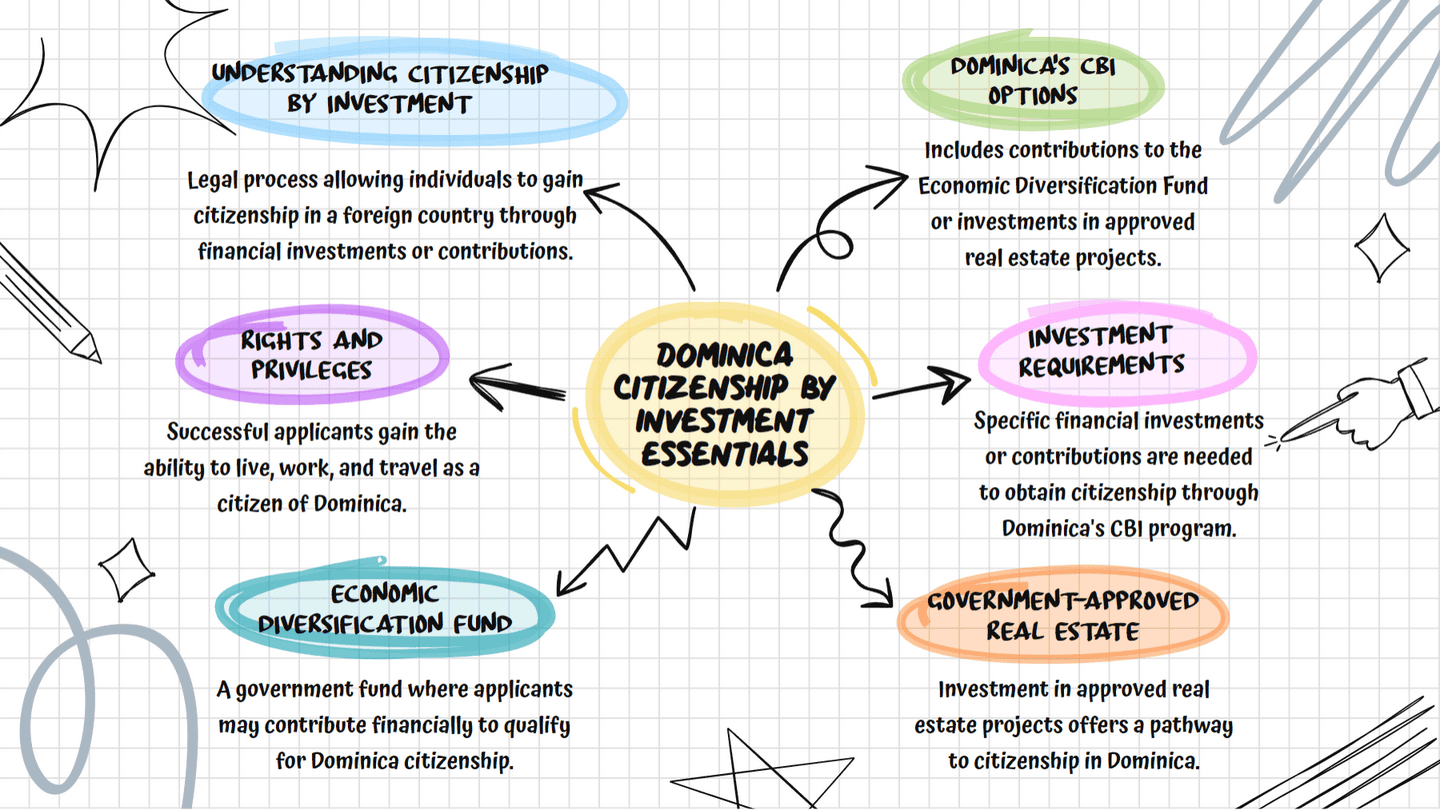
        • In Dominica, investing in government-approved property opens a path via the Citizenship by Investment Program, supporting the island’s economic growth and making the investor and their dependents eligible. A minimum investment of $200,000 USD is necessary, and this must be held for a certain period.
        • Owners are subject to annual taxes and fees, including a relatively low property tax, with additional charges varying based on the property’s specifics.
        • The option to rent out such properties provides a potential income source, with many opting for managed resorts to ease the rental process and increase yields.
        • A holding period of three years is mandated for the property, after which it can be sold without impacting the granted status.

        Did you know that the Caribbean is ranked as one of the world’s best regions for obtaining real estate

        Real estate investment in Dominica is one of the best international property investments currently available.1

        As a trusted source in the industry, we’re here to guide you through the ins and outs of Dominican real estate investment, with consideration for the added possibility of obtaining citizenship in this Caribbean paradise. 

        Our goal is to provide you with all the necessary information to make informed decisions about your potential investment.

        In This Article, You Will Discover:

          The trusted WorldPassports team has got you covered. 

          So sit back, relax, and let us help you navigate the path to real estate investment in Dominica – your gateway to a world of opportunity!

          *Disclaimer: All amounts mentioned in this article were correct at the time of publication and might have shifted since.

          What Are the Basics of Real Estate Investment?

          Real estate investment involves purchasing property to generate income or capital appreciation.

          What is Real Estate Investment?

          Real Estate Investment involves the acquisition, ownership, or management of properties with the primary objective of generating income or realizing a profit.

          Real estate investors may engage in various types of properties, including residential, commercial, industrial, or retail, depending on their investment goals.

          What is Dominica Real Estate Investment?

          Dominica Real Estate Investment refers to the act of investing in real estate properties in the Caribbean island nation of Dominica.

          This may involve purchasing residential or commercial properties, land, or participating in government-approved real estate development projects.

          Investors engaging in Dominica Real Estate Investment may aim to capitalize on potential appreciation in property values, rental income, or other returns associated with the real estate market in Dominica.

          Prospective investors should conduct thorough research, understand local regulations, and consider their financial objectives before pursuing real estate investment in Dominica.

          Why Should You Consider Dominica Citizenship by Investing in Real Estate?

          You should consider investing in real estate in Dominica because it offers a plethora of benefits and opportunities for those looking to invest in Caribbean property. 

          The island’s stunning natural beauty, coupled with its thriving tourism industry, creates a strong demand for quality properties and real estate. 

          Investors can expect capital appreciation and rental income potential while enjoying a high quality of life in this idyllic Caribbean paradise.

          The Caribbean nation is also renowned for its political and economic stability, which allows businesses and investments to remain safe and secure. 

          And did you know? 

          Obtaining Dominican citizenship through real estate investment will grant you and your family visa-free travel to over 130 countries, as well as access to various tax and financial incentives with minimal residency requirements. 

          Investing in Dominica’s real estate market won’t only provide you with a valuable asset; it’ll also unlock a world of endless possibilities and opportunities if you use it to obtain a new citizenship.

          How Does Dominica’s Real Estate Market Compare to Other Caribbean Property Investments?

          The real estate market in Dominica, compared with other Caribbean countries, is strong and performs well, especially as a key driver of its citizenship by investment program. 

          Here’s our team’s list of factors that influence real estate markets in the Caribbean and how Dominica might differ from other Caribbean states:

          • Affordability: The prices for properties in Dominica have traditionally been lower compared to more developed and popular Caribbean destinations such as the Bahamas, Barbados, or the Cayman Islands.
          • Citizenship by investment program (CBI): Dominica’s citizenship by investment program allows individuals to acquire citizenship by making an investment in the country, usually through a donation to a government fund or by purchasing real estate. This has been attractive for foreign investors and has had an impact on the real estate market.
          • Development: Dominica has historically been less developed compared to other Caribbean destinations. This is partly due to its rugged terrain and lack of large beaches, which are typically popular among tourists. However, there has been a push for sustainable development and ecotourism, which might have affected the real estate market.
          • Resilience and recovery: Dominica was severely affected by Hurricane Maria in 2017, and the recovery process has been slow compared to some other Caribbean nations. This has had implications for the real estate market, particularly in terms of rebuilding and creating resilient infrastructure.
          • Market maturity: Islands such as the Bahamas, Barbados, and the Cayman Islands have mature and established real estate markets with a large inventory of luxury properties. Dominica’s market isn’t as mature, and the focus is more on eco-friendly and sustainable development than large-scale luxury developments.
          • Tourism influence: The real estate markets in some Caribbean countries are heavily influenced by tourism. In Dominica, tourism has traditionally not been as big of a sector as in some other Caribbean islands, but there’s an increasing focus on ecotourism, which might influence the real estate market in different ways.
          • Investment opportunities: Investors looking for untapped potential might find Dominica more attractive compared to other Caribbean countries with more saturated markets. The emphasis on sustainability and eco-friendliness may also appeal to investors with specific interests in these areas.

          Always remember 

          The global real estate market is subject to various factors, including political stability, economic performance, natural disasters, and global market trends. 

          It’s advisable to consult a real estate expert or conduct thorough research to have the most up-to-date information on the real estate market in Dominica and other Caribbean countries.

          What Are the Best Regions in Dominica for Caribbean Property Investment?

          The regions of Dominica that are best for real estate investment will depend on your individual goals and your personal preferences.

          For your convenience, though, our team has put together a list of suggested regions with promising investment potential: 

          • Roseau: As the capital and largest city of Dominica, Roseau often attracts attention from investors. It has a number of commercial and residential properties and is home to numerous amenities and services. The city’s also the main hub for tourism, which can provide opportunities for investing in vacation rentals or other tourism-related properties.
          • Portsmouth: This is the second-largest town in Dominica and is known for its beautiful beaches and harbor. Real estate here could be a good investment for those interested in the tourism sector, especially considering its proximity to Ross University School of Medicine, which attracts international students.
          • Picard: This small town near Portsmouth is home to Ross University School of Medicine. Demand for student accommodations in this area can make it an interesting place for real estate investment.
          • Morne Daniel: This upscale residential area close to Roseau offers high-end properties with stunning ocean views. This could be an interesting area if you’re looking to invest in luxury real estate.
          • Soufriere: Known for its natural beauty and hot springs, Soufriere might be a good choice for those interested in eco-tourism or vacation rentals.
          • Scotts Head: This village on the southern tip of Dominica is well-known for its unique geography and exceptional diving sites, making it attractive for vacation properties.

          Note

          The market conditions at the time of investment will play a significant role in the suitability of the region you’re interested in.

          Be sure to consult with a real estate professional who has local knowledge and can provide up-to-date advice based on your specific needs and interests. 

          How Does Dominican Real Estate Investment Enhance Your Citizenship Opportunities?

          At this point, you’re probably wanting details on whether buying real estate in Dominica will help you in your citizenship and/or residency journey.

          Take a look below.

          Can I Get Citizenship If I Invest in Dominican Real Estate?

          Yes, it’s possible to invest in Dominican real estate and eventually get citizenship (after 7 years of living in the country).

          You can also get immediate citizenship if you invest through Dominica’s citizenship by investment program.

          To acquire immediate citizenship in Dominica through real estate investment, you’ll need to meet a minimum investment amount and follow a specific process. 

          Do I Need to be a Dominican Resident To Buy Real Estate There?

          No, you don’t need to become a resident to buy property in Dominica. 

          However, as a foreigner (if you’re not applying for the citizenship by investment program), you’ll need to obtain a special land owner’s license to purchase Dominica real estate. 

          Does Owning Property in Dominica Facilitate a Pathway to Residency?

          Yes, in a manner of speaking, owning property in Dominica can facilitate a pathway to residency.

          To acquire residency, you must be able to prove that you live in Dominica, and of course, it’s possible to live in Dominica without effectively owning the property in which you’re domiciled.2

          Are There Any Restrictions on Foreign Investment in Real Estate in Dominica?

          Yes, there’s a limited number of restrictions on foreign investment in real estate in Dominica.

          Foreign investors can purchase both residential and commercial properties without any major limitations. 

          However

          To buy land or property near the coast, rivers, or in national parks, a foreign investor may require government approval, as these areas are often subject to specific regulations to preserve the country’s natural beauty and ecosystems. 

          Overall, Dominica’s welcoming real estate market encourages economic growth and facilitates the process of obtaining citizenship through a real estate investment program. 

          What’s the Process to Buy Real Estate in Dominica? 

          The process to buy property in Dominica is straightforward, whether you’re seeking citizenship or simply investing in the nation’s thriving real estate market. 

          By following our guide of essential steps, you can ensure a successful property transaction and secure your desired property.

          Let’s take a closer look at the roadmap we’ve compiled to assist you in navigating Dominica’s property market and achieving your investment goals. 

          Step 1: How Do You Identify Your Ideal Property in Dominica?

          In this initial step, you need to identify a property that meets your investment goals. 

          If you’re buying the property to participate in Dominica’s citizenship by investment program, you’ll want to ensure that the property adheres to the program’s requirements. 

          What does this mean?

          Real estate that qualifies as a worthy CBI investment in Dominica may include government-approved property projects or individual residential properties with a minimum investment amount of US$200,000. 

          Remember that if you’re not investing in real estate for Dominican citizenship, you’ll likely have to apply for a landowner’s license.

          Step 2: How Do You Draft the Purchase and Sale Agreement in Dominica?

          Once you’ve identified your ideal property, the next step is to negotiate and enter into a purchase and sale agreement with the seller. 

          This legally binding document outlines the terms and conditions of the property transaction, including the purchase price, payment schedule, and any contingencies. 

          By securing a solid purchase and sale agreement, you’re ensuring that your investment in Dominica’s real estate market is protected and compliant with its CBI requirements.

          Step 3: How Are Survey Plans Prepared in Dominica?

          In this step, you’ll be required to engage with a licensed surveyor to prepare detailed survey plans of the property you intend to purchase. 

          These plans provide accurate measurements and boundaries for the land, ensuring that there are no discrepancies or encroachments. 

          Step 4: What Is the Procedure for Paying the 10% Deposit?

          At this stage of the property acquisition process, you’ll be required to pay a 10% deposit on the agreed purchase price. 

          This deposit demonstrates your commitment to the transaction and secures the property while the remaining steps are completed. 

          By making the deposit, you’re fulfilling a standard real estate practice and ensuring that your investment aligns with Dominica’s CBI program requirements.

          Step 5: How Do You Complete the Payment of the Sale Balance?

          Once the 10% deposit has been successfully paid, it’s time to pay the remaining balance of the agreed purchase price. 

          This final payment transfers ownership of the property to you, the buyer, and completes the real estate transaction. 

          Step 6: What Steps Are Involved in Signing the Memorandum of Transfer? 

          In this step, both the buyer and seller sign the memorandum of transfer, a legal document that officially transfers the property’s ownership from the seller to you. 

          This document contains important information about the property, such as its description, location, and the agreed purchase price. 

          Take note

          By signing the memorandum of transfer, you’re finalizing the property acquisition process in accordance with Dominica’s CBI program requirements, ensuring a smooth transition toward obtaining your potential Dominican citizenship.

          Step 7: What Fees and Taxes Must Be Paid When Buying Property in Dominica?

          The final step in the property acquisition process involves paying all applicable fees and taxes associated with the transaction. 

          This includes legal fees, stamp duty, assurance fund fees, and any other charges required by the Dominican government. 

          By fulfilling these financial obligations, you’re ensuring that your real estate investment complies with all local regulations and Dominica’s CBI program requirements, paving the way for a successful citizenship application and a prosperous future in this beautiful Caribbean nation.

          What Are the Costs Involved When Investing in Real Estate in Dominica?

          The costs involved in Dominican real estate investments range from legal fees to valuation fees.

          If you’re investing in Dominica real estate for citizenship, it’s essential to understand and remain compliant with the relevant costs associated with property acquisition. 

          Being aware of these expenses helps you make informed financial decisions and contributes to a successful citizenship application. 

          In the following section, our team has summarized the major costs that you should be mindful of throughout the process.

          What Legal Fees Are Incurred in Dominican Real Estate Transactions?

          Legal fees cover the services of an attorney who’ll guide you through the property acquisition process and ensure compliance with Dominican laws. 

          Legal fees can vary depending on the complexity of the transaction, but they typically range from US$2,000 to $5,000. 

          For prospective investors applying for Dominican citizenship, hiring a reputable attorney is crucial for a successful application. 

          In addition

          A knowledgeable attorney can also help you navigate any potential challenges and provide valuable advice throughout the process.

          What Are the Judicial Fees When Investing in Dominican Real Estate?

          Judicial fees are charged by the courts for processing and registering the transfer of property ownership. 

          These fees usually amount to approximately 2.5% of the property’s value. 

          As a prospective investor, it’s essential to factor in these fees to ensure a smooth transaction and maintain compliance with Dominica’s CBI program.

          Timely payment of judicial fees is necessary to avoid any delays or complications in the property transfer process.

          What Is the Assurance Fund Fee for Real Estate Investments in Dominica?

          The assurance fund fee is a government fee that typically amounts to 1% of the property’s value. 

          The assurance fund fee is paid to protect against any potential claims or disputes regarding property ownership. 

          What’s more

          Prospective investors must be aware of this cost as it contributes to securing their investment and adhering to Dominica’s CBI program requirements. 

          This fee not only offers protection but also demonstrates your commitment to following local regulations.

          How Much Stamp Duty Is Charged on Dominican Real Estate Transactions?

          Stamp duty is a tax levied on property transactions, payable by both the buyer and seller. 

          In Dominica, the buyer’s stamp duty is approximately 4% of the property’s value. 

          As an investor, it’s important to account for this cost when budgeting for your real estate investment and ensuring compliance with the CBI program. 

          Additionally

          Factoring in stamp duty expenses will help you make informed financial decisions and avoid any unexpected surprises during the transaction.

          What Valuation Fees Are Required for Real Estate Investments in Dominica?

          The final significant cost is valuation fees, which cover the cost of having a professional valuer assess the property’s market value. 

          This ensures that you’re paying a fair price for the property and provides the documentation required for various stages of the transaction process. 

          Valuation fees typically range from US$300 to US$1,000. 

          What Are the Tax Benefits of Investing in Real Estate in Dominica?

          The tax implications of investing in Dominican real estate impact the long-term viability of your investment, meaning that this is some of the most important planning you need to do during this journey.

          Being well-informed about the relevant Dominican tax regulations and their impact on your investment will ensure that you remain compliant with local laws and help you make more informed financial decisions. 

          In the following section, our team will delve into the major tax implications that investors should be aware of when investing in Dominican real estate.

          Is Only Local Source Income Taxable in Dominica?

          In Dominica, only income earned within the country is subject to taxation. 

          In essence, this means that any income you generate outside of Dominica will remain tax-free.3

          By staying informed about this taxation rule, you’ll ensure a smooth investment experience, maintain your eligibility for citizenship, and save on your worldwide income. 

          Is There No Capital Gains Tax on Real Estate in Dominica?

          Dominica doesn’t impose a capital gains tax on the sale of real estate or other assets.

          This tax advantage allows you to retain the full profit from any increase in the value of your property over time. 

          Is There No Inheritance Tax on Properties in Dominica?

          There are no inheritance taxes in Dominica, which means that you can pass on your property and other assets to your heirs without any additional tax burden. 

          This tax benefit is particularly relevant for investors seeking Dominican citizenship through real estate investment, as it will ensure that your family’s financial future remains secure. 

          This is important

          Understanding and remaining compliant with this aspect of Dominica’s tax system is crucial for safeguarding your investment and preserving your family’s wealth in the long run.

          Are Properties in Dominica Exempt from Property Tax?

          Dominica doesn’t impose an annual property tax on real estate owners. 

          This tax exemption reduces the ongoing costs of property ownership and can result in substantial savings over time. 

          In addition

          For investors participating in Dominica’s citizenship by real estate investment program, being aware of this tax benefit is essential for accurately calculating the long-term costs and returns associated with your investment. 

          Compliance with local tax regulations is crucial for maintaining your eligibility for citizenship and enjoying the benefits of your investment.

          Is Interest From Foreign Bank Accounts Tax-Free in Dominica?

          Interest earned on foreign bank accounts held by Dominican residents or citizens isn’t subject to taxation in Dominica either.4

          This tax benefit provides an additional incentive for investors seeking citizenship through real estate investment, as it will allow you to diversify your financial portfolio without incurring additional taxes. 

          Staying informed about this tax advantage will ensure that you’re making the most of your investment.

          How Do Asset Protection and Financial Privacy Laws Work in Dominica?

          Dominica also has robust asset protection and financial privacy laws, which will act to safeguard your investments and maintain confidentiality and privacy. 

          These regulations are particularly relevant for investors in Dominica’s citizenship by real estate investment program, as they’ll provide an added layer of security for your financial assets. 

          Common Questions

          In Conclusion

          We trust that our article has provided you with valuable insights into the benefits and opportunities of making a real estate investment in Dominica. 

          As you consider your financial future, remember to carefully assess your investment goals and consult local experts to help guide your decision-making process. 

          The WorldPassports team wishes you the best of luck on your journey toward a successful Dominican real estate venture in this beautiful Caribbean nation.

          If you’d like to know more about real estate opportunities in other countries, don’t hesitate to take a look at some of our other extensive real estate articles.

        • What Makes Greece’s Market a Lucrative Option for Real Estate Investors?

          What Makes Greece’s Market a Lucrative Option for Real Estate Investors?

          Key Takeaways

          • Non-EU investors have the opportunity to access the Greek Golden Visa, offering residency and a pathway to citizenship, by investing a minimum of €250,000 in various types of properties, including residential, commercial, or land. This threshold is among the most favorable in Europe for such programs.
          • Upon purchasing property in Greece, owners are responsible for annual taxes determined by the asset’s value and location. This includes property tax and, if applicable, income tax on rental earnings.
          • The country’s dynamic tourism sector presents a lucrative chance for investors to generate income through property leasing.
          • Investors must keep their investment to retain the residency permit. Moving from residency to citizenship is a detailed process with specific requirements, including how long it must be held.

          Greece, a country synonymous with rich history, sun-drenched landscapes, and azure seas, offers more than just a beautiful vacation destination. 

          Whether you’re a seasoned property investor or a first-time buyer looking to expand your global footprint, this WorldPassports article serves as your comprehensive guide to making a real estate investment in Greece.

          In This Article, You Will Discover:

            If you’re ready to explore the prospect of acquiring Greek real estate, don’t stop reading now; stay with us!

            *Disclaimer: All amounts mentioned in this article were correct at the time of publication and might have shifted since.

            What Are the Basics of Real Estate Investment?

            Real estate investment involves purchasing property to generate income or capital appreciation.

            What is Real Estate Investment?

            Real Estate Investment involves the acquisition, ownership, and management of properties with the aim of generating income or achieving capital appreciation.

            Investors can choose to invest in different types of real estate, such as residential homes, commercial buildings, or industrial spaces.

            Strategies for real estate investment may include renting out properties for regular income, participating in property development projects, or holding properties for long-term value appreciation.

            Real estate is a tangible asset class that offers potential returns, diversification, and a hedge against inflation.

            Prior to making real estate investment decisions, investors should conduct thorough due diligence, assess market conditions, and carefully evaluate potential risks and rewards.

            What is Greece Real Estate Investment?

            Greece Real Estate Investment refers to the act of investing in properties within the Hellenic Republic (Greece).

            This encompasses various real estate types, including residential, commercial, or industrial properties.

            Investors may engage in Greece Real Estate Investment to capitalize on potential market growth, tourism-related opportunities, or the allure of the Greek property market.

            However, investors should conduct thorough research, consider market conditions, and adhere to legal regulations governing real estate transactions in Greece.

            Why Should I Consider Investing in Real Estate in Greece?

            You should consider investing in real estate in Greece, as it boasts some of the most sought-after properties in the Mediterranean.

            Greek property prices are still some of the most affordable in the region. This is one of several reasons that Greek real estate is some of the most popular in Europe. 

            Greece is an exceedingly safe country and one of the most frequented tourist destinations in the world, with a large number of World Heritage sites.1 

            How does post-pandemic Greece compare, though?

            Greece’s economy has also been showing strong signs of growth and investment appreciation in recent years, with property values steadily increasing.

            This recovery, combined with the strong tourism sector in Greece, means that there’s usually a high demand for rental properties, which poses the promise of lucrative income generation for real estate owners.

            How Does the Real Estate Market in Greece Compare With Other European Countries?

            Compared with other European countries, the real estate market in Greece fares very well indeed, with relatively affordable property prices and a strong dependence on tourism.

            Our team has listed some of the ways in which the Greek real estate market compares to the rest of Europe:

            • Affordability: Following the economic crisis that began in 2009, property prices in Greece plummeted. Even though prices have been recovering, they’ve remained more affordable compared to many Western European countries. This has made Greece particularly attractive for investors seeking value.
            • Golden Visa program: Like some other Southern European countries such as Portugal and Spain, Greece offers a Golden Visa program, which provides residency permits to non-EU citizens who invest a certain amount in real estate. This has been a significant driver for foreign investment in the Greek property market.
            • Tourism dependency: The Greek economy is heavily dependent on tourism, and this influences the real estate market. Coastal areas and islands such as Santorini, Mykonos, and Crete are popular with tourists and have a strong market for holiday rentals. However, this dependency also makes the market vulnerable to global events that impact tourism.
            • Rental yields: In prime tourist locations and cities like Athens, rental yields can be relatively high. The combination of affordable property prices and strong demand for short-term holiday rentals has made Greece attractive for investors seeking rental income.
            • Regulatory environment: Greece has traditionally had a more bureaucratic and less efficient property transaction process compared to some Northern European countries. However, efforts have been made to streamline processes and improve the ease of doing business.
            • Market sentiment and growth prospects: The Greek real estate market has been seen as having strong growth potential, particularly as the economy recovers from the financial crisis. However, it’s also considered by some to be riskier than more stable Western European markets.
            • Diverse property types: Greece offers a range of property types, from ancient buildings in historic cities to modern villas on picturesque islands. This diversity can be appealing to different types of investors.
            • Capital controls and taxation: Greece has had capital controls in place due to the economic crisis, and property taxes can be relatively high. This has sometimes been seen as a deterrent for some investors.

            But, take note…

            Comparing the real estate market in Greece to other European countries will hinge on your personal priorities, risk tolerance, and goals. 

            Markets can also evolve, so we recommend consulting with a real estate expert with knowledge of the local market to help you make informed decisions.

            Which Regions of Greece Are Best for Real Estate Investment?  

            The best regions of Greece for real estate investment can vary based on individual goals and market conditions, but we’ve still got some solid guidance for you. 

            Here are some Greek regions that have been popular for real estate investment in recent years:

            • Athens: As the capital city and economic hub of Greece, Athens has a strong demand for both residential and commercial properties. It’s particularly popular for rental investments due to tourism and business activity.
            • Thessaloniki: As the second-largest city in Greece, Thessaloniki is a cultural and economic center in the northern part of the country. It has a burgeoning tech scene and is also a popular destination for tourists.
            • Crete: The largest of the Greek islands, Crete is known for its natural beauty and historical significance. It’s a popular tourist destination, making it ideal for vacation rental investments.
            • Santorini: Famous for its stunning sunsets and unique architecture, Santorini is one of the most popular tourist destinations in Greece. Luxury vacation rentals here can generate significant income during the tourist season.
            • Mykonos: Similar to Santorini, Mykonos is known for luxury tourism. The high-end market and strong demand for short-term rentals make it an appealing option for investors seeking high returns.
            • Rhodes: With its combination of historical sites and beautiful beaches, Rhodes is a favorite among European tourists, making it a solid choice for vacation rental investments.
            • Corfu: Located in the Ionian Sea, Corfu is popular with tourists and has a mix of luxury and more affordable properties. Its accessibility from other parts of Europe is an added advantage.
            • Peloponnese: This region has a rich history and a diverse landscape. It’s less touristy compared to some islands but has been gaining popularity, offering potential for growth in property investments.
            • Chalkidiki: Known for its stunning beaches and proximity to Thessaloniki, Chalkidiki is a popular holiday destination for both domestic and international tourists, making it a viable location for vacation property investments.
            • Kefalonia: As one of the Ionian islands in Greece, it’s known for its natural beauty and strong tourism trade. Property prices here can be more affordable than on some of the more renowned Greek islands.

            While these regions have historically been popular for real estate investment, market conditions can change.

            Our advice? 

            Conduct thorough research or consult with a real estate expert for the most current information and advice tailored to your specific investment goals.

            How Can Greek Real Estate Investment Facilitate Citizenship and Residency?

            If you’re keen to find out if buying real estate in Greece will help you in your citizenship and/or residency journey, then scroll on.

            This is what you should know. 

            Can Investing in Greek Real Estate Lead to Greece Citizenship?

            You can’t get Greek citizenship directly by investing in Greek real estate. 

            It’s possible to obtain Greek residency in this manner via the Golden Visa program, but citizenship is only obtainable after meeting several prerequisites, including living, working, and paying taxes in Greece for 7 years.

            Do I Need to Be a Greek Resident To Buy Real Estate in Greece?

            No, you don’t need to be a Greek resident to buy real estate in Greece; foreigners from any other country can buy real estate in Greece.

            However, typically, EU citizens and permanent residents of Greece are given preference in Greek real estate acquisition. 

            Does Owning Property in Greece Facilitate a Pathway to Greek Residency? 

            Yes, owning property in Greece can facilitate a pathway to Greek residency. 

            Greece’s residency by investment program allows you to become a Greek resident by making an investment of at least €250,000 in Greek real estate. 

            Take note

            As of May 2023, the minimum real estate investment in certain Greek municipalities will double to €500,000.2 

            These municipalities include Athens, Thessaloniki, Glyfada, Mykonos, and Santorini, amongst others.

            Are There Any Restrictions on Foreign Investment in Greek Real Estate?

            No, there aren’t any serious restrictions on foreign investment in Greek real estate. 

            Generally, Greece has friendly policies toward foreign investors.

            Some specific areas of national security or strategic interest (such as borders or certain islands) have laws restricting property ownership relating to non-EU citizens, but this is the exception rather than the rule.3

            What’s the Process to Buy Real Estate in Greece? 

            The process to buy real estate in Greece is comparatively easy, but it has the potential to be onerous if it isn’t well managed. 

            We’ve broken the process down into steps for you. 

            Step 1: How Do You Find a Reputable Estate Agent in Greece?

            You can certainly find property in Greece under your own steam, but using an estate agent can ease the process significantly. 

            Greece is also known to operate largely on having the right contacts, so accessing the network of a reputable agent can smooth your property search. 

            A good estate agent will likely also be able to connect you with reputable attorneys, insurers, and contractors.4

            Step 2: How Do You View and Select Your Ideal Property in Greece?

            Although it isn’t mandatory that you be present to purchase your property (you can assign a lawyer to handle it in your absence), it’s advisable that you visit the site physically so that you have confidence in your purchase. 

            Step 3: How Does a Lawyer Perform Due Diligence With the Land Registry in Greece?

            Your chosen lawyer will conduct a review of the title deeds of both the seller of the property and its previous owners, going back at least 20 years.

            This is partly to ensure that there are no encumbrances on the property. Examples of encumbrances include mortgages, seizures, and claims. 

            Step 4: How Do You Open a Bank Account in Greece?

            It’s not imperative to have a Greek bank account to purchase Greek real estate.

            However, in actuality, you’ll need a Greek account to pay the property transfer tax to the tax office in the property’s municipal region.

            In effect, having a Greek bank account will be necessary at certain significant points in the process of purchasing your property.

            Step 5: How Do You Make an Offer and Obtain a Greek Tax Number?

            Once you’ve chosen your ideal property, it’ll be time to secure it.

            Negotiate the asking price if there’s room to do so.

            What’s next?

            Once you’ve made an offer on your chosen real estate and it’s been accepted, you’ll need to obtain a Greek Tax Registry Number (AFM). 

            It’s not possible to buy property in Greece without an AFM.

            Step 6: How Do You Pay a Deposit When Buying Property in Greece?

            Pay the seller a deposit to take the property off the market. 

            Ordinarily, the deposit will be 10% of the total asking price.

            Step 7: How Do You Pay Transfer Tax at the Greek Tax Office?

            In Greece, the buyer is required to pay the property transfer tax.

            Ordinarily, transfer tax comprises 3.09% of the taxable property value.

            This process will likely take a few days to wrap up.

            Step 8: How Do You Sign the Final Contract With a Notary in Greece?

            Once the transfer tax process is complete, the contract deed will need to be finalized by a notary public and registered at the Land Registry and the Ktimatologio (public registry).

            Both you and the seller will need to sign the contract deed in the presence of the notary.

            For this process, your Greek Tax Number (AFM), referred to in Step 5 above, will be needed.

            Step 9: How Do You Pay the Outstanding Property Amount in Greece?

            Before the key exchange, you’ll need to pay the outstanding amount of the agreed property price.

            Step 10: How Do You Pay Associated Fees and Taxes When Buying Property in Greece?

            The final step in the process will be to settle all associated fees and taxes.

            Staying compliant with Greek tax laws and legislation will help to create a seamless Greek residency experience. 

            What Costs Are Involved in Investing in Greek Real Estate? 

            The purchase price of your Greek real estate won’t be the only cost you incur. 

            You’ll need to budget for estate agent fees, legal fees, notary fees, registration fees, and transfer tax.

            Let’s take a look.

            What Are the Typical Estate Agent Fees for Property Investment in Greece?

            Both the buyer and the seller are responsible for paying estate agent fees. 

            These fees are typically charged at 2% of the agreed-upon purchase price of the property.

            What Legal Fees Can You Expect When Investing in Greek Real Estate?

            Lawyers’ fees range from 1% to 2% of the total purchase price.

            How Much Are Notary Fees for Real Estate Transactions in Greece?

            A notary public is essential in the Greek real estate purchase process.

            Notary fees typically cost 2% of the total purchase price. 

            What Are the Public Registration Fees for Property in Greece?

            Public registration fees in Greece generally amount to between 0.48% and 0.68% of the total purchase price.

            How Is Transfer Tax Calculated for Greek Real Estate Purchases?

            Currently, property transfer tax in Greece amounts to 3.09% of the total purchase price of your property.

            Paying the transfer tax on your chosen real estate is an essential step in finalizing the purchase process and is payable in either of the following ways:5

            • A payment code is issued by the Tax Office, upon which the transfer tax that’s due is transferred from your Greek bank account to the relevant bank account stipulated by the Tax Office.
            • You make out a check payable to the Greek government from your Greek bank account. You then deposit the check at the Tax office’s treasury department.

            What Are the Tax Implications of Investing in Greek Real Estate?

            Greece’s tax regime can be complicated, but that shouldn’t deter you from investing in real estate in the country. 

            We’ve spelled out some basic information that should help you plan for all the tax implications of purchasing real estate in the Hellenic Republic. 

            Read on.

            How Can Investing in Real Estate Affect Your Greek Tax Residency Status?

            First and foremost, you’ll need to determine whether or not you’ll be a Greek tax resident.

            Simply put, if you live in Greece for 183 days in a year, you’re a Greek tax resident. 

            What’s the upshot of this?

            Essentially, you can be a permanent resident or citizen of Greece without being a Greek tax resident.

            Being a tax resident makes you liable to pay certain taxes in Greece. 

            How Does Owning Greek Property Influence Worldwide Income Tax Obligations?

            If you’re a tax resident in Greece, Greece will tax you on all of your declared worldwide income (this includes cryptocurrency). 

            There are exceptions for people whose country of origin has a tax treaty with the Greek government.6 

            If your country of origin has a tax treaty with the Hellenic Republic, you may have the option of paying those taxes in your country of origin. 

            It might even be the case that you’ll be exempt from these taxes.

            And the flipside?

            If you’re not a tax resident in Greece, you’ll only be charged income tax on the income you’ve generated within Greece.

            How Do Double Taxation Rules Apply to Greek Property Owners?

            Greece has double taxation agreements with more than 50 countries, including the US, South Africa, the UAE, and the UK. 

            It’s advised that you seek the advice of an international tax expert to ensure you don’t face double taxation as a resident or citizen of Greece.

            What Are the Principal and Supplementary Real Estate Taxes in Greece?

            The Greek real estate tax is referred to as ENFIA.

            ENFIA comprises the principal tax charged against your real estate (measured by multiplying the property’s area squared by the coefficient ranging from €2 to €13 per m2) and the supplementary tax on the value of your property rights (measured by multiplying the property’s area by the coefficient ranging from €0.0037 to €11.25 per m2).7

            How Is Property Inheritance Tax Levied in Greece?

            Property inheritance tax is typically applied based on your relationship with the person from whom you inherited the property and the value of the property.

            Although inherited property up to the value of €150,000 is tax-free for close relatives of the deceased, when property inheritance tax is applied, it can sometimes be up to 40% of the value of the property.

            What Are the Tax Rates on Rental Income from Greek Real Estate?

            Rental income tax is charged differently for individuals versus corporate entities. 

            For companies, the rental income tax rate is set at 24%. 

            For individuals, the rental income tax rate ranges from 15% to 45%, depending on how much rental income is being earned. 

            How Are Capital Gains on Greek Real Estate Investments Taxed?

            Currently, Greece has a favorable stance towards charging capital gains taxes on the sale of a property. 

            Circumstances vary, but, generally speaking, this tax isn’t levied unless the seller is selling houses as an entrepreneurial activity or has sold more than 2 houses in 2 years. 

            When charged, Greek capital gains tax can be anywhere between 15% and 45%. 

            What Inheritance Taxes Must Be Paid on Greek Real Estate?

            Inheritance is taxed in Greece, and it can be a complicated process. 

            Generally, inheritance tax rates vary from 1% to 40%, depending on the relationship between the deceased and his or her heirs and on the value of the inherited asset(s).

            Common Questions

            In Conclusion

            Buying real estate in Greece can be an excellent strategic move; you’ll gain access to a lucrative property market, and you may put yourself on track for acquiring Greek residency. 

            As with any investment, it’s essential to conduct thorough due diligence and understand the implications of owning property in Greece. 

            It’s always advisable to seek professional, legal, and financial advice to ensure that your investment aligns with your broader financial and lifestyle goals.

            That’s where we come in! 

            At WorldPassports, we’re excited to help direct you to the right processes and decisions to get your real estate investment in Greece. 

          • Mauritius: A Hidden Gem for Real Estate Investment

            Mauritius: A Hidden Gem for Real Estate Investment

            Key Takeaways

            • Investing in real estate in Mauritius offers benefits like eligibility for residency, attractive property investment opportunities, and a stable economic environment.
            • Foreigners can buy property within designated developments, such as the Integrated Resort Scheme (IRS) or the Real Estate Scheme (RES), to qualify for residency.
            • The minimum investment qualify for residency is approximately $375,000, granting eligibility for a residence permit.
            • The real estate market includes luxury villas, apartments, and beachfront properties, catering to a diverse range of investor preferences.
            • Tax advantages include a low flat rate of income tax and exemption from capital gains and inheritance taxes.

            A real estate investment in Mauritius might be one of the smartest moves you can make if you’re aiming for the perfect blend of lifestyle and return on investment. 

            Known for its sparkling waters and thriving tourism industry, this island attracts many high-net-worth individuals interested in investing in the Mauritian real estate market.

            In This Article, You Will Discover:

              Stay with us as the WorldPassports team guides you through the journey to real estate acquisition in Mauritius – your doorway to a realm brimming with possibilities! 

              *Disclaimer: All amounts mentioned in this article were correct at the time of publication and might have shifted since.

              What Are The Benefits Of Real Estate Investment In Mauritius?

              Investing in real estate in Mauritius offers a multitude of benefits.

              Firstly, the country provides a stable political and economic environment, ensuring a secure investment.

              Additionally, Mauritius has implemented favorable tax policies for real estate investors, allowing for potential tax savings and increased profitability.

              Moreover, the real estate market in Mauritius has shown consistent growth over the years, presenting opportunities for capital appreciation.

              Furthermore, due to the country’s reputation as a popular tourist destination, investing in real estate can yield attractive rental returns.

              Lastly, Mauritius offers an attractive lifestyle with beautiful beaches, scenic landscapes, and a diverse culture, making it an appealing location for investors and potential tenants alike.

              In summary, investing in real estate in Mauritius offers a range of advantages, including political and economic stability, favorable tax policies, potential for capital appreciation, attractive rental returns, and an appealing lifestyle.

              Whether you are looking for a long-term investment or a rental property, Mauritius provides a secure and profitable real estate market, making it a compelling option for investors seeking to diversify their portfolio and gain exposure to a thriving market in a beautiful location.

              Why Should I Consider Investing in Real Estate in Mauritius?

              You should consider investing in real estate in Mauritius, located off the eastern coast of Africa with scenic beaches and thriving resorts, as it offers a multitude of compelling reasons to invest in the country.

              Mauritius also has a lucrative real estate market characterized by strong potential for capital appreciation, making it an attractive option for investors seeking long-term growth. 

              Furthermore

              It also enjoys a stable political and economic environment, providing a secure foundation for property investments. 

              The bustling Mauritius tourism industry and strong rental demand further enhance the appeal of investing in real estate in this beautiful country. 

              How Does the Real Estate Market in Mauritius Compare With Other Countries?

              The real estate market in Mauritius is very popular and has its own unique drawcards, but it can be compared to investment opportunities in other countries in several ways. 

              Here’s our summary of the key points that set Mauritius apart:

              • Attractiveness to foreign investors: Mauritius successfully attracts foreign investment in its real estate sector through various incentives, such as the Integrated Resort Scheme (IRS), Real Estate Scheme (RES), and Property Development Scheme (PDS). These schemes allow foreigners to purchase property in designated areas and offer residency options. 
              • Tourism and lifestyle destination: Mauritius is known for its natural beauty, stunning beaches, and tropical climate, all of which make it a popular tourism and lifestyle destination. The real estate market in Mauritius is influenced by the demand for holiday homes, resorts, and luxury villas. Coastal areas and beachfront properties tend to attract significant interest from both local and international buyers.
              • Economic stability: Mauritius has a relatively stable and diversified economy compared to some other countries in the region. The government has implemented favorable policies to promote foreign investment and economic growth. The stability of the economy contributes to investor confidence and can positively impact the real estate market.
              • Property prices: Property prices in Mauritius vary depending on factors such as location, property type, and proximity to the beach. While there are luxury properties available at higher price points, there are also more affordable options. Compared to some major cities in Europe or other popular international destinations, property prices in Mauritius can be relatively lower.
              • Legal framework and ease of doing business: Mauritius has implemented measures to simplify property acquisition and streamline business processes. The government has made efforts to improve the legal framework and establish clear property rights for both locals and foreigners. These improvements aim to enhance investor confidence and facilitate real estate transactions.
              • Rental market: The rental market in Mauritius is active, particularly for long-term rentals and holiday accommodations. Areas with high tourism demand, such as Grand Baie and Flic-en-Flac, offer rental opportunities for property owners. However, rental yields may vary depending on location, property type, and market conditions.
              • Infrastructure and development: Mauritius has made significant investments in infrastructure development, including road networks, airports, and public facilities. Ongoing infrastructure projects, such as the development of the Smart City projects, aim to enhance the overall quality of life and attract both residents and investors.

              It’s important to note that each country has its own unique market dynamics, and the real estate market can be subject to various factors such as economic conditions, government policies, and regional demand. 

              Our team advises that you conduct thorough research, seek local expertise, and understand the specific regulations and market conditions in Mauritius before considering real estate investment there or in any other country.

              Which Regions of Mauritius Are Best for Real Estate Investment?  

              Several regions of Mauritius are attractive for real estate investment, and depending on your priorities and preferences, the area of the island that you invest in is important to consider.

              Here are some regions our team feels are worth considering:

              • Grand Baie: Located in the northern part of the island, Grand Baie is a popular tourist and expatriate destination. It offers a vibrant lifestyle, beautiful beaches, and a range of amenities such as shopping centers, restaurants, and water sports activities. Properties in Grand Baie, including apartments, villas, and beachfront residences, are in high demand and can provide good rental potential.
              • Black River: Situated on the western coast, Black River (also known as Rivière Noire) is known for its natural beauty and luxury lifestyle offerings. The region features upscale residential developments, including beachfront villas, golf estates, and high-end resorts. Black River is popular among high-net-worth individuals and offers a relaxed coastal living experience.
              • Tamarin: Adjacent to Black River, Tamarin is another sought-after area for real estate investment. It has a laid-back atmosphere and is known for its surfing spots, pristine beaches, and nature reserves. Tamarin offers a range of property options, from apartments to villas, with some developments boasting beautiful ocean views.
              • Flic-en-Flac: Located on the western coast, Flic-en-Flac is a popular beach destination known for its long stretch of white sandy beaches and turquoise waters. It attracts both tourists and expatriates, which creates demand for residential properties. Flic-en-Flac offers a mix of apartments, villas, and gated communities suitable for investment.
              • Pointe d’Esny and Blue Bay: Situated in the southeastern part of Mauritius, Pointe d’Esny and Blue Bay are known for their pristine beaches and crystal-clear waters. These areas offer a tranquil atmosphere and are popular for beachfront properties, including luxury villas and apartments. They also benefit from proximity to the airport and the Blue Bay Marine Park.
              • Smart City Projects: Mauritius has initiated several Smart City projects, including the Ebène Cybercity, Bagatelle, and Cap Tamarin Smart City. These projects aim to create sustainable urban developments that integrate technology, residential spaces, office complexes, and recreational facilities. Investing in these Smart City projects can provide opportunities for growth and rental income.

              Factors like proximity to amenities, rental demand, and the potential for capital appreciation are important to consider when evaluating real estate investment opportunities in Mauritius. 

              Each region has its own unique advantages, and consulting with local real estate professionals can provide valuable insights into market dynamics and investment potential.

              Mauritian Real Estate for Citizenship & Residency

              If you’re curious to find out if buying real estate in Mauritius will help you in your citizenship and/or residency journey there, look no further.

              See below.

              Can I Get Mauritian Citizenship If I Invest in Real Estate There?

              No, you won’t receive citizenship immediately after investing in Mauritian real estate.

              As is the case with many countries, citizenship in Mauritius can be obtained after a stipulated minimum period of holding permanent residency.

              Do I Need to be a Resident of Mauritius To Buy Real Estate There?

              No, you don’t need to be a resident of Mauritius to buy real estate there.

              As a foreigner, you can buy Mauritius property, but you’ll need to obtain prior approval from the country’s Economic Development Board (EDB). 

              Will Owning Property in Mauritius Facilitate a Pathway to Residency?

              Yes, owning a property in Mauritius can facilitate a pathway to permanent residency if you’re able to make a minimum investment of US$375,000. 

              There are different kinds of Mauritius residence permits, depending on your needs and intentions.1 

              Depending on the type of qualifying real estate scheme you choose to invest in, you also need to meet the following general requirements: 

              • Demonstrate sufficient financial resources to support yourself and any dependents during your stay in Mauritius. 
              • Have a clean criminal record and good character. 
              • Undergo a potential medical examination to ensure you meet the health standards set by the Mauritian authorities.
              • Some residency programs may require a commitment to spending a minimum amount of time in Mauritius each year. 

              What’s more

              You can apply for citizenship in Mauritius after 5 years of holding a valid residency permit  (although there are expedited options for investors). 

              If you want to eventually apply for Mauritian citizenship, you’ll also need to fulfill the following requirements:

              • Demonstrate integration into Mauritian society by actively participating in local community activities, embracing the cultural values, and respecting the social fabric of the country.
              • Be proficient in English or French.
              • Make a significant contribution to the social or economic development of Mauritius. 
              • Demonstrate good character and a clean criminal record. 

              What Type of Real Estate Ownership Is Required to Qualify for Residency in Mauritius?

              To qualify for residency in Mauritius, you have the option to invest in either freehold or leasehold properties.2

              Ownership can take the form of sole ownership, company ownership, or trust ownership.

              Is There a Minimum Holding Period on the Purchased Real Estate to Qualify for Citizenship?

              No, there isn’t an official, specified minimum holding period on the purchased real estate to qualify for residency in Mauritius.

              However, you’re required to hold your property for as long as you need to keep and renew your residence permit before qualifying for citizenship. 

              Are There Any Restrictions on Foreign Investment in Real Estate in Mauritius?

              Yes, there are some restrictions on foreign investment in Mauritius. 

              Real estate buyers can only purchase properties in Mauritius under schemes that are approved and managed by the Mauritius Economic Development Board. 

              Our WorldCiitizenships team has listed some examples of such schemes below:

              • The Integrated Resort Scheme (IRS)
              • The Real Estate Property Scheme (RES)
              • The Property Development Scheme (PDS)
              • The Smarty City Scheme (SCS)
              • Ground +2 apartments (with a minimum purchase of approximately US$147,000)

              What’s the Process to Buy Real Estate in Mauritius?

              Let’s explore the journey of acquiring real estate in Mauritius, from finding an estate agent all the way through to finalizing the deed of sale.

              Our expert team has broken it down into a step-by-step process below:

              Step 1: Find an Estate Agent & Start Looking for a Property 

              Begin by engaging the services of an experienced estate agent who specializes in the Mauritian market. 

              They’ll guide you through the property search process, help you identify suitable options based on your preferences and requirements, and provide valuable insights into the local real estate landscape.

              Step 2: Select the Right Scheme

              Mauritius offers various schemes and programs that cater to different types of real estate investments. 

              As a foreign investor, you can acquire Mauritian residential real estate by investing a minimum of US$375,000 in any of the following projects:

              • The Integrated Resort Scheme (IRS)
              • The Real Estate Scheme (RES)
              • The Property Development Scheme (PDS)
              • The Invest Hotel Scheme (IHS)
              • The Smart City Scheme (SCS)
              • The Ground +2 Apartment Scheme (G+2)

              If you’d prefer to apply for 20-year permanent residence in Mauritius, you might qualify for other non-real estate-related investment options.

              Step 3: Get Government Approval

              Before proceeding with the purchase, you need to obtain the approval of the Mauritius government. 

              Step 4: Perform Due Diligence 

              Perform thorough due diligence on the property you intend to purchase. 

              This includes verifying the property’s legal status, confirming land ownership, assessing any encumbrances or restrictions, and conducting a comprehensive inspection to ensure the property is in good condition and meets your expectations.

              Step 5: Hire a Notary 

              Engage a qualified notary to handle the legal aspects of the transaction. 

              The notary will ensure all legal requirements are met, draft the necessary legal documents, and oversee the signing of the Deed of Sale and other relevant contracts. 

              Their role is crucial in ensuring a smooth and legally sound transfer of ownership.

              Step 6: Deed of Sale 

              The final step involves signing the Deed of Sale, which legally transfers ownership of the property from the seller to the buyer. 

              This is typically done in the presence of a notary, who’ll register the deed with the relevant authorities. 

              Upon completion of this step, you officially become the owner of the acquired property in Mauritius.

              What Costs Are Involved in Investing in Mauritius Real Estate?

              The costs involved in investing in Mauritius real estate stretch beyond the minimum required investment.

              Understanding these costs will help you plan your budget effectively and ensure a smooth financial process throughout your investment journey.

              Read along as our team breaks down the various costs associated with investing in real estate in Mauritius:

              Estate Agent Fees

              When engaging the services of an estate agent to assist with your property search and transaction, you can expect to pay agent fees. 

              These fees are typically a percentage of the property’s purchase price and cover the agent’s expertise, assistance, and guidance throughout the process.

              Notary Fee

              Hiring a notary is an essential part of the property-buying process in Mauritius. 

              The notary fee is charged for their services in handling the legal aspects of the transaction, including drafting and reviewing contracts, conducting searches, and overseeing the transfer of ownership. 

              The fee is usually calculated based on the property’s value or a predetermined rate.

              Registration Fee

              To legally register the property transfer and update the ownership records, a registration fee is payable to the relevant authorities. 

              This fee covers the administrative costs associated with updating the official records and ensuring the property’s legal status.

              It’s important to note that while these are common costs involved in real estate investment in Mauritius, the specific amounts may vary based on factors such as the property’s value and the professionals you engage. 

              What Are the Tax Implications of Investing in Mauritius?

              The tax implications of investing in Mauritius tend to be highly favorable and often play a major role in why investors choose this island to diversify their portfolio.3

              Before you begin, we advise that you read up on the rules surrounding tax residency and how to make them work for you.

              Read on to discover the advantageous tax landscape that awaits investors in Mauritius.

              No Worldwide Income Tax

              Mauritius doesn’t impose worldwide income tax on non-residents, meaning that income earned outside of Mauritius isn’t subject to taxation in the country. 

              This tax exemption on worldwide income is an attractive feature for investors and individuals looking to benefit from potential tax savings and optimize their global financial activities.

              No Local Income Tax

              Mauritius doesn’t impose local income tax on non-residents, offering a significant advantage for individuals investing in the country. 

              No Dividend Tax

              In Mauritius, there’s no dividend tax imposed on the distribution of dividends. 

              This means that investors receiving dividends from their investments in Mauritius aren’t subject to any additional tax on those earnings. 

              No Capital Gains Tax

              One of the significant advantages of investing in Mauritius is that the country doesn’t impose a capital gains tax. 

              Investors can realize profits from the sale of assets, such as real estate or securities, without being subject to capital gains tax. 

              Tax Exemption on Import-Export Activities

              Mauritius offers tax exemptions on import-export activities, providing significant benefits for businesses engaged in international trade. 

              Companies involved in importing and exporting goods and services can enjoy tax advantages, such as exemptions from customs duties, contributing to a more favorable business environment. 

              This tax exemption encourages and supports the growth of import-export activities in Mauritius, fostering economic development and attracting businesses seeking to leverage these advantages.

              No Customs Duty on Goods or Services Imported via the Free Port

              Mauritius offers a significant advantage for businesses importing or exporting goods and services through the Free Port. 

              No customs duty is imposed on goods or services that pass through the Free Port, making it an attractive destination for international trade and commerce. 

              No Inheritance Tax

              Mauritius doesn’t impose an inheritance tax, which means there are no taxes on wealth transferred through inheritance in the country. 

              This absence of inheritance tax provides individuals with estate planning advantages and allows for the smooth transfer of assets to beneficiaries without the burden of tax liabilities.

              No Estate or Property Tax

              One of the notable benefits of investing in property in Mauritius is the absence of estate or property taxes. 

              Property owners in Mauritius aren’t subject to any estate tax or ongoing property tax obligations, making it an attractive feature for investors. 

              This tax advantage allows property owners to retain the full value of their investments and contributes to the overall appeal of the Mauritian real estate market.

              Free Repatriation of Funds from Companies Located Outside Mauritius

              Mauritius allows companies located outside its jurisdiction to freely repatriate funds without any restrictions. 

              This policy facilitates international financial operations and provides ease of transferring funds for businesses operating in Mauritius. 

              It’s important to consult with tax advisors or professionals to understand the specific tax implications and eligibility criteria for your investment in Mauritius.

              Common Questions

              In Conclusion

              Investing in real estate in Mauritius offers numerous advantages, including a lucrative market, a stable economy, and attractive tax benefits. 

              While conducting thorough due diligence is essential to navigating potential pitfalls, the overall prospects for real estate investment in Mauritius are promising. 

              While acquiring Mauritian citizenship is attainable, it requires meeting residency requirements, integrating into Mauritian society, and making significant contributions to the country’s development. 

              Chat with our experienced team at WorldPassports to get to grips with what’s possible when you plot a path to a real estate investment in Mauritius.

              If this article has piqued your interest in real estate investment opportunities in other countries, don’t hesitate to take a look at a few more of our real estate articles. 

            • Why Is Portugal a Prime Choice for Real Estate Investors?

              Why Is Portugal a Prime Choice for Real Estate Investors?

              Key Takeaways

              • Portugal’s Golden Visa program requires a minimum real estate investment of €500,000, with options as low as €350,000 for properties in areas of low population density or those in need of renovation.
              • By purchasing qualifying property, investors can obtain residency, leading to citizenship after five years, subject to conditions such as minimal stay requirements.
              • It offers benefits like Schengen Area access, a pleasant climate, rich cultural experiences, high living standards, and potential rental income in a robust tourism market.
              • Rental of investment properties is permitted, creating an income opportunity and leveraging their dynamic tourism and residential markets.
              • It involves taxes such as property, potential capital gains, and income taxes on rentals. However, their NHR tax regime offers significant tax benefits to new residents.

              Dreaming of sun-drenched vineyards, mouthwatering cuisine, and breathtaking coastline views? 

              Welcome to Portugal, a history-rich nation begging to be explored and one of Europe’s hottest property markets right now.

              The allure of real estate investment in Portugal is no secret, but do you know why it’s causing such a buzz among international investors?

              In This Article, You Will Discover:

                Strap in, and let’s uncover the secrets to successful investing in Portugal’s vibrant real estate scene.

                *Disclaimer: All amounts mentioned in this article were correct and accurate at the time of publication and may have shifted since.

                What Should You Know About Real Estate Investment in Portugal?

                Investing in Portuguese real estate offers diverse opportunities, from urban apartments to seaside villas, appealing to lifestyle and investment-focused buyers alike.

                What is Real Estate Investment?

                Real Estate Investment involves acquiring and managing properties with the intention of generating income or achieving capital appreciation.

                Investors diversify their portfolios by investing in various types of real estate, such as residential, commercial, or industrial properties.

                Strategies for Real Estate Investment may include renting properties for regular income, participating in property development projects, or holding properties for long-term value appreciation.

                Real estate serves as a tangible asset class, offering potential returns, diversification benefits, and acting as a hedge against inflation.

                Before making Real Estate Investment decisions, investors should conduct thorough due diligence, assess market conditions, and carefully evaluate potential risks and rewards.

                What is Portugal Real Estate Investment?

                Portugal Real Estate Investment refers to the act of investing in properties located in Portugal, a country on the Iberian Peninsula in southwestern Europe.

                Investors may choose Portugal for Real Estate Investment due to its diverse landscapes, cultural attractions, and growing real estate market.

                Opportunities for Portugal Real Estate Investment include residential properties, commercial spaces, and tourism-related developments.

                Before engaging in Portugal Real Estate Investment, investors should conduct comprehensive research, consider local market trends, and adhere to legal regulations governing real estate transactions in Portugal.

                Why Invest in Portugal Real Estate for Residency and Citizenship?

                You should consider investing in real estate in Portugal not only for the way its ancient traditions dance hand in hand with vibrant modernity but also for the strong return on investment promised by its real estate market. 

                Whether you’re envisioning a charming farmhouse nestled in rolling hills or a vibrant city apartment filled with energy, Portugal’s real estate market continues to thrive, with property prices having risen significantly in recent years, reflecting a strong demand and positive outlook for 2025.

                Nestled at the southwestern tip of Europe, Portugal’s prime geographic location offers a gateway to vast global markets, boasting a resilient economy characterized by steady growth and diverse investment opportunities. 

                What’s more 

                Alongside its economic advantages, Portugal delivers an exceptional quality of life where safety, healthcare, and a well-regarded education system meet affordable living costs. 

                Balancing vibrant city life and serene coastal landscapes, it’s the ideal locale for those seeking a dynamic, enriching, sun-soaked European lifestyle.

                What’s not to love?

                How Does Portugal’s Real Estate Market Compare to Other European Countries?

                Portugal’s real estate market stands out with competitive pricing, favourable growth potential, and a welcoming climate compared to more expensive European neighbours.

                How Does Investing in Portugal’s Real Estate Differ from Other European Markets?

                The real estate market in Portugal bears some similarities to its European neighbors, but there are differences worth noting.

                Here are some key points to consider when comparing the real estate market in Portugal with other European countries:

                • Affordability: Compared to many Western European countries, Portugal offers more affordable property prices, making it an attractive option for both local and international investors.
                • Rental returns: Portugal’s bustling tourism industry, especially in cities like Lisbon and Porto and in the Algarve region, ensures strong rental returns for property investors.
                • Non-Habitual Residency (NHR) Program: Portugal’s attractive tax regime, the NHR, offers significant tax benefits and residency options for foreign investors, a feature not common in all European countries.
                • Capital appreciation: Portugal’s seen steady capital appreciation in its real estate market over recent years, making it an enticing prospect for long-term investment.
                • Regulation: The Portuguese government has enacted foreigner-friendly laws, making the property buying process relatively straightforward compared to other European countries. 
                • Diversity of property types: From city apartments in Lisbon and Porto, traditional ‘quintas’ in the countryside, to stunning beachfront villas in the Algarve, Portugal offers a wide variety of property styles to suit different investment goals.
                • Quality of life: In addition to the investment aspect, Portugal consistently ranks highly in quality of life surveys, with excellent healthcare, education, and safety standards, making it not just an investment destination but also an attractive place to live.

                Please note 

                While the points above are true, the real estate market can be complex and can vary greatly, even within countries.

                Always do plenty of research or consult a real estate professional when considering any investment.

                What Are the Best Regions in Portugal for Real Estate Investment?

                The regions of Portugal that are best for real estate investment range from unspoiled coastal regions to university towns.

                Our experts believe these are some key regions to consider:

                • Lisbon: As the capital and the largest city, Lisbon offers a vibrant urban lifestyle with a rich history. Its popularity with tourists and locals alike makes it a prime spot for investment, particularly for short-term rentals.
                • Porto: Known for its port wine and charming, historic architecture, Porto has recently undergone significant regeneration. As Portugal’s second-largest city, it provides opportunities for both residential and commercial investments.
                • The Algarve: This region is a major draw for tourists, particularly those from the UK, Germany, and the Netherlands. Its idyllic beaches and golf courses make it popular for vacation homes and short-term rentals.
                • The Silver Coast: Stretching from Lisbon to Porto, this less-developed coastal region is gaining popularity. It offers a mix of beach and rural properties, often at more affordable prices than the Algarve.
                • Madeira and the Azores: These Portuguese island regions offer unique investment opportunities. Known for their natural beauty, they’re popular among tourists and those looking for a tranquil lifestyle.
                • Coimbra and Braga: As bustling university cities, these locations offer great potential for student rental properties. They also have growing tech scenes, bringing in international professionals.

                The verdict? 

                Each of these regions has its own unique attributes, so the best one for you would depend on your specific investment goals, budget, and personal preferences.

                How Can Portuguese Real Estate Secure Your Citizenship and Residency?

                To find out if buying real estate in Portugal will help you in your citizenship and/or residency journey, our team has the answers. 

                Have a look below.

                Can Investing in Portuguese Real Estate Grant Me Citizenship?

                No, you can’t get Portuguese citizenship by investing in Portuguese real estate.

                Portugal doesn’t have a citizenship by investment program.

                Is Residency Required to Purchase Real Estate in Portugal?

                No, you don’t need to be a resident of Portugal to buy real estate there.

                You’ll simply need to obtain a VAT identification number, otherwise known as a ”número de identificação fiscal” (NIF) or ”número de contribuinte” in Portugal.1

                How Does Investment in Portuguese Real Estate Lead to Residency?

                No, you can’t get residency if you invest in Portuguese real estate. 

                Until very recently, you could qualify for Portugal’s Golden Visa by investing in Portuguese real estate, but Portugal’s residency by investment program has been restructured.

                What’s changed?

                Despite rumors that it was about to be suspended, Portugal’s Golden Visa is still active, but it’s been amended.

                On July 19, 2023, Portugal’s parliament voted to restructure the program.2

                The significant changes?

                The only form of investment that will no longer be accepted under Portugal’s Golden Visa is real estate investment. 

                That’s not to say that you can’t buy property in Portugal as a foreigner, but it can no longer buy you permanent residency status in the country.

                What Restrictions Exist on Foreign Real Estate Investment in Portugal?

                No, there aren’t really any restrictions on foreign investment in Portuguese real estate.

                Generally speaking, Portugal is very friendly to foreign investors. 

                As mentioned above, you’ll simply need to obtain a VAT identification number.

                What Steps Are Involved in Buying Real Estate in Portugal?

                The process of buying real estate in Portugal as a foreigner is relatively straightforward, but if you’re interested in doing this, now is the time to do it. 

                The value of the Portuguese real estate market rises annually.

                Once you have your NIF (the VAT identification number stipulated for foreign investors), you can follow our 9 handy steps to acquire your Portuguese property dream.

                Here you go:

                Step 1: How Do You Research and Secure a Mortgage for Portuguese Property?

                In our expert experience, this is the very first thing you should do if you think you may need a bank loan to purchase your Portuguese property.

                Find a mortgage plan that suits your plans and priorities.

                Ideally, you should secure an offer in principle because this allows you to budget accordingly. 

                Step 2: How Can You Find Your Ideal Property in Portugal?

                With your budget established, you can search for real estate that aligns with it.

                Ideally, you should use the services of a reputable local estate agent in your property search, especially if you’re relatively unfamiliar with your chosen real estate area(s).

                Step 3: Why Should You Hire a Lawyer When Buying Property in Portugal?

                We advise that you hire a lawyer with a track record in real estate acquisition to support you in your Portugal real estate purchase.

                While buying real estate in Portugal isn’t necessarily difficult, Portugal’s legal and regulatory environment is sometimes criticized for frustrating levels of bureaucracy.

                Having an experienced professional on hand to help you navigate the process can be very beneficial indeed.

                Some things a reputable lawyer can help you with in this process include:

                • Reviewing of contracts.
                • Ensuring the property is adequately surveyed and that any Town Hall plans agree with its existing construction.
                • Ensuring that the seller is up to date with all their utility and mortgage payments.
                • Ensuring you stay compliant with Portugal’s legal and statutory framework.

                Step 4: How Do You Make an Offer on Property in Portugal?

                Armed with an accurate budget and support from your lawyer, you can make an offer on your chosen Portuguese real estate.

                Negotiate an ideal purchase price if the existing contracts are open to negotiation.

                Step 5: What Is a Reservation Deposit in Portuguese Real Estate Transactions?

                To take the real estate off the market, it’s standard in Portugal to pay a reservation deposit once your offer has been accepted.

                The reservation deposit typically amounts to €5,000.3

                Step 6: How Do You Finalize a Mortgage in Portugal?

                If the property’s existing owners accept your offer, you can return to the bank to finalize your secured mortgage.

                Step 7: What Are the Details of a Sale Contract and Deposit in Portugal?

                Known as the ”Contrata de Promessa de Compra e Venda”, you and the seller will sign the promissory contract of purchase in the presence of a notary.

                The notary will then register the contract with a notary office that you (the buyer) have chosen.

                At this point, you’ll need to pay a non-refundable deposit to the seller of the property, which typically amounts to between 10% and 30% of the property’s value. 

                Bear in mind

                When we say your deposit is non-refundable, the implication is that if you pull out of the agreement to buy the property, the seller can legally keep your deposit.

                However, if the seller pulls out, they’ll be legally obliged to return your deposit to you. 

                What then?

                Once your deposit has been transferred to the seller, you and the property seller will formally agree to an “end date”.

                In effect, the end date is the date upon which the final deed of sale will be signed, and full payment for the real estate is completed.

                Ordinarily, this date is anywhere from 4 to 12 weeks later.

                Step 8: What Is the Property Transfer Taxation Process in Portugal?

                At this stage, you’ll need to pay any property transfer taxes, known as ”Imposto Municipal sobre Transmissões Onerosas de Imóveis”, that are due. 

                This fee is specifically payable before the completion of the sale. 

                Your lawyer or notary will be able to help you calculate and process this fee.

                Step 9: How Is the Final Deed Processed in Portuguese Real Estate?

                This contract, the ”Escritura Publica de Compra e Venda”, officially transfers ownership of the Portuguese property to you, the buyer. 

                You and the seller will both sign this contract in front of a notary. 

                Full and final payment for the property is also made at this stage.

                Effectively, the property will now belong to you (congratulations!), but you’ll still need to register it with the Land Registry.

                What Are the Costs Involved in Investing in Portuguese Real Estate?

                The costs involved in investing in Portuguese real estate extend beyond the property purchase price and mortgage fees.

                We’ve already mentioned the importance of budgeting accurately; taking these additional costs into account will help you plan for possible unforeseen fees and charges in Portugal.

                Given our wealth of experience in this field, we’ve gone ahead and narrowed down the main costs to look out for – you’re welcome!

                Here’s the lowdown:

                What Are the Typical Real Estate Agent Fees in Portugal?

                The commission for real estate agents in Portugal generally ranges from 3% to 6% of the purchase price, though this can sometimes be included in the listed price. 

                This fee covers their expertise and time spent sourcing properties, negotiating, and guiding you through the purchase process. 

                We always advise our clients to clarify this aspect upfront to avoid any unexpected costs.

                What Legal Fees Are Involved in Portuguese Property Transactions?

                Legal fees (encompassing notary and solicitor services) typically account for 1% to 2% of the property’s price in Portugal. 

                These professionals help ensure the legality of the transaction by preparing and reviewing contracts, checking property deeds, and facilitating the property’s registration. 

                Although it’s an added expense, their role is crucial in safeguarding your investment.

                How Is Property Transfer Tax Calculated in Portugal?

                The Property Transfer Tax, or IMT, is a progressive tax paid by the buyer, ranging from 0% to 8%, depending on the property value and whether it’s your primary residence or a secondary property. 

                This is the payment that needs to be made between the signing of the initial promissory contract and the signing of the final deed of sale (basically, you pay this tax between your initial payment of the deposit and the final settlement in full). 

                What Stamp Duty Costs Can You Expect in Portugal?

                Stamp Duty (”Imposto do Selo”) in Portugal is 0.8% of the property’s purchase price. 

                This tax is due upon the property’s transaction, covering the cost of the legal documents, and it’s typically paid alongside the Property Transfer Tax before the final deed of sale.

                What Are the Registration Fees at the Land Registry in Portugal?

                Registration fees, or ”Registo Predial”, at the land registry usually cost between €200 and €350. 

                This fee ensures the property is officially registered in your name, thereby confirming your ownership. 

                Your lawyer or solicitor can handle this registration process on your behalf.

                How Much Are Property Survey Fees in Portugal?

                While optional, getting a property survey can cost between a few hundred and over a thousand Euros, depending on the property’s size and type. 

                A survey gives you insights into the property’s condition, potentially uncovering issues that could affect its value or lead to future expenses, hence providing a solid base for negotiation.

                What Does the Annual Property Tax Look Like in Portugal?

                The annual property tax, or ”Imposto Municipal sobre Imóveis”, ranges from 0.3% to 0.45% of the property’s registered tax value, depending on its location and type. 

                This tax is payable in either 1 or 2 installments, depending on the amount. 

                What Tax Implications Should You Consider When Investing in Portuguese Real Estate?

                The tax implications of investing in Portugal’s real estate involve 3 main taxes that are levied against property owners.

                The 3 main property ownership taxes include Municipal Property Tax (IMI), Property Transfer Tax (IMT), and Tax on Stamps (IS).

                Let’s take a look at all of them: 

                How Are Municipal and Annual Property Taxes Assessed in Portugal?

                The term Municipal Property Tax is often used interchangeably with the Annual Property Tax (IMI), which is paid annually by property owners. 

                The tax is set by each municipality separately within a range dictated by the state (0.3% to 0.45%) and is calculated based on the tax registration value of the property.

                Basically, to calculate the IMI, you multiply the value of the property by the IMI rate. 

                What Should You Know About Property Transfer Taxes in Portugal?

                Property Transfer Tax, or IMT, is a one-time tax paid by buyers when acquiring a property in Portugal, with rates ranging from 0% to 8% depending on the property’s value and type. 

                As mentioned, this tax is due before the final act of the sale and is calculated based on the higher value between the property’s sales price and its tax registration value.

                How Does Stamp Duty Impact Real Estate Investments in Portugal?

                Stamp Duty (”Imposto do Selo”) is another tax associated with the property transaction, set at a flat rate of 0.8% of the property’s declared purchase price.

                 This tax, which covers the legal documents involved in the transaction, is paid alongside the Property Transfer Tax before the completion of the sale.

                How Can the Portugal NHR Tax Regime Benefit Real Estate Investors?

                The NHR regime tax will apply if you obtain residency in Portugal. 

                The NHR regime is a tax incentive for foreign individuals who become tax residents in Portugal, offering a flat income tax rate of 20% for certain Portuguese-sourced income and a potential tax exemption for foreign-sourced income. 

                It’s available for a 10-year period, which can significantly reduce the tax burden for those planning to live in the country.

                What Is the Role of Value Added Tax in Portuguese Real Estate Purchases?

                Value Added Tax (VAT, or ”Imposto sobre o Valor Acrescentado”) is applicable at a rate of 23% on certain services involved in the property purchasing process, such as real estate agency and legal fees. 

                It’s also charged on new-build properties, but in most cases, it’s already included in the listed property price.

                Common Questions

                In Conclusion

                Portugal’s real estate market is well-regulated and sought-after, not to mention charming and brimming with all the promise of a well-situated and modern European country. 

                We’ve shown you just how simple it can be to purchase Portuguese real estate. 

                Bearing in mind that all fees and taxes should be taken into account, Portugal could serve as your ideal gateway to living your European dreams and diversifying your investment portfolio. 

                Our team at WorldPassports is on hand to guide you through your Portuguese property acquisition journey – don’t hesitate to contact us!

                Has this article piqued your interest in the real estate possibilities in other countries? 

                Check out our selection of other articles on this topic.

              • St Kitts Nevis: Exclusive Real Estate Investments

                St Kitts Nevis: Exclusive Real Estate Investments

                Key Takeaways

                • St. Kitts and Nevis appeals to real estate investors for several reasons: its absence of personal income tax, a stable economy, picturesque landscapes, and a Citizenship by Investment (CBI) program granting visa-free or visa-on-arrival access to over 150 countries.
                • For eligibility, investors are required to buy government-sanctioned property, including options like luxury resorts, villas, and condos.
                • To meet the criteria, there’s a minimum investment of $200,000 for shared ownership or $400,000 for exclusive ownership, with a necessary holding period of 5 to 7 years.
                • There are specific restrictions on the resale of properties, including a mandatory holding period. Following this timeframe, properties can be sold and may enable the new owner to qualify as well.
                • Investing in property here directly meets one of the CBI program’s main requirements, making the investment and the completion of due diligence processes key steps toward citizenship.

                If a life in the Caribbean appeals to you, real estate investment in St. Kitts and Nevis might be the ideal vehicle to take you there.

                St. Kitts and Nevis, a twin-island country in the Caribbean, is a paradise with breathtaking natural beauty, boasting lush rainforests, immaculate beaches, and vibrant coral reefs, as well as a rich history reflected in well-preserved colonial architecture.

                In this comprehensive article, our team covers everything you need to know about St. Kitts and Nevis’ real estate investment, from purchasing real estate to potentially using your real estate investment to obtain citizenship in the island nation.  

                In This Article, You Will Discover:

                  Unpack this exciting opportunity with us to see if you can turn this Caribbean dream into a reality. 

                  *Disclaimer: All amounts mentioned in this article were correct at the time of publication and might have shifted since.

                  Why Should I Consider Investing in Real Estate in St. Kitts & Nevis?

                  You should consider investing in St. Kitts and Nevis real estate, as it offers an exceptional opportunity to diversify your portfolio in a nation that welcomes foreign investment. 

                  St. Kitts and Nevis warmly invites investors to capitalize on its thriving tourism industry and an increasing demand for high-quality properties. 

                  Its favorable tax incentives and financial privacy laws make it an attractive destination for savvy investors looking to diversify their portfolios. 

                  In addition

                  Should you choose to invest in the island nation for citizenship, you can rest assured that active steps have been taken to turn its citizenship by investment program into one of the leading and most attractive ones globally, according to its program head, Michael Martin.

                  St. Kitts and Nevis offers several benefits through its CBI program, including “wealth planning, citizenship legacy, portfolio diversification, and higher business opportunities”.1

                  How Does the Real Estate Market in St. Kitts & Nevis Compare With Other Caribbean Countries?

                  Compared to other Caribbean countries, the real estate market in St. Kitts and Nevis has its own unique characteristics.

                  Here are some key factors that our team feels differentiate the real estate market in St. Kitts and Nevis:

                  • Citizenship by investment program: One significant aspect that sets St. Kitts and Nevis apart is its citizenship by investment (CBI) program, where foreign investors can obtain citizenship by making a qualifying real estate investment. This has attracted considerable interest from international buyers looking to acquire property in St. Kitts and Nevis while gaining access to the benefits of Kittitian citizenship.
                  • Stability and security: St. Kitts and Nevis enjoys a stable political and economic environment, which is a crucial consideration for real estate investors. The country has a long-standing democracy and a well-regulated legal system that provides a sense of security and protection for property owners. This stability contributes to the overall appeal and desirability of the real estate market in St. Kitts and Nevis.
                  • Luxury property market: St. Kitts and Nevis boasts a thriving luxury property market, with a range of upscale developments and high-end residences. From luxurious beachfront villas to exclusive resort properties, the country offers a variety of options for discerning buyers seeking premium real estate in a Caribbean paradise.
                  • Tourism and investment potential: The country has made considerable investments in tourism infrastructure, including luxury resorts, golf courses, and marinas, attracting visitors from around the world. The steady growth of the tourism sector presents potential investment opportunities, as it drives demand for vacation homes, rental properties, and commercial ventures.
                  • Natural beauty and lifestyle: St. Kitts and Nevis is famous for its breathtaking natural beauty. The country offers a laid-back lifestyle with a mix of outdoor activities, cultural experiences, and a welcoming local community. This unique charm and lifestyle appeal can be a significant draw for those looking to invest in Caribbean real estate.

                  Bear in mind

                  Each Caribbean country has its own real estate market dynamics, regulations, and investment incentives. 

                  Make use of our expert services to conduct thorough research on this journey to global mobility.

                  Which Regions of St. Kitts & Nevis Are Best for Real Estate Investment?  

                  Several regions in St. Kitts and Nevis are favorable for real estate investment.

                  Although each region has its own unique characteristics and potential for growth, the best region for you will depend on your unique preferences and needs.

                  Here are some regions in St. Kitts and Nevis that the WorldPassports team considers prime locations for real estate investment:

                  • Frigate Bay: Located on the southeastern coast of St. Kitts, Frigate Bay is a popular area for real estate investment. It offers stunning beachfront properties, upscale resorts, golf courses, and a range of amenities. Frigate Bay attracts both tourists and residents, making it an ideal location for those seeking rental income or a vacation home.
                  • South East Peninsula: The South East Peninsula of St. Kitts is known for its unspoiled beauty and tranquility. This region offers picturesque landscapes, secluded beaches, and a serene environment. It presents opportunities for investors interested in eco-friendly resorts, luxury villas, or upscale developments targeting buyers seeking privacy and exclusivity.
                  • Basseterre: As the capital city of St. Kitts and Nevis, Basseterre has its own unique real estate market. The city offers a mix of residential and commercial properties, including historic buildings, modern condominiums, and commercial spaces. Basseterre attracts both local and international buyers looking for convenience, accessibility to amenities, and potential rental income.
                  • Nevis: The island of Nevis, part of the federation of St. Kitts and Nevis, is renowned for its charm, natural beauty, and historic significance. Nevis offers a range of real estate investment opportunities, including plantation-style estates, beachfront villas, and boutique resorts. The island’s relaxed atmosphere and unspoiled landscapes make it an attractive choice for those seeking a quieter and more exclusive retreat.
                  • Christophe Harbour: Christophe Harbour is a premier luxury development located on the southeastern coast of St. Kitts. This upscale community offers exclusive residential properties, marina facilities, a beach club, and a golf course. It caters to high-end buyers seeking luxury living and premium amenities in a prestigious setting.

                  When considering real estate investment in St. Kitts and Nevis, it’s important to assess factors such as location, market trends, infrastructure, accessibility, and potential rental demand. 

                  Working with local real estate professionals who have in-depth knowledge of the market can provide valuable insights and guidance in selecting the best region for your investment goals.

                  St. Kitts & Nevis Real Estate for Citizenship & Residency

                  If you’re eager to find out if buying real estate in St. Kitts and Nevis will help you along your citizenship and/or residency journey, our team has the answers ready for you. 

                  Here’s what you should know:

                  Can I Get Citizenship If I Invest in St. Kitts & Nevis Real Estate?

                  Yes, you can obtain citizenship in St. Kitts and Nevis by purchasing real estate through its citizenship by investment program.

                  To qualify for this citizenship by investment via real estate in St. Kitts and Nevis, one of the main requirements is that you’ll need to make a minimum real estate investment of either US$400,000 from an approved real estate development or a minimum of US$800,000 for an approved private home. 

                  What Type of Real Estate Ownership Is Required to Qualify for St. Kitts & Nevis Citizenship?

                  To qualify for St. Kitts and Nevis’s citizenship by investment program, specific types of real estate ownership must be considered. 

                  The following options are available for investors:

                  • Government-approved property projects
                  • Freehold properties
                  • Fractional ownership

                  These real estate ownership options ensure that investments contribute to the nation’s development as well as provide a valuable asset for the investor.

                  By choosing the right type of property, applicants can secure their path to citizenship and enjoy the numerous benefits that come with it.

                  Is There a Minimum Holding Period on the Purchased Real Estate to Qualify for Citizenship?

                  Yes, to qualify for St. Kitts and Nevis citizenship, there’s a minimum holding period on the purchased real estate. 

                  For single investments, the property must be held for at least 7 years. 

                  For joint investments, the holding period is 5 years. 

                  Do I Need to Become a Resident of St. Kitts & Nevis to Buy Property There?

                  No, you don’t need to become a resident of St. Kitts and Nevis to buy real estate there.

                  To buy real estate in St. Kitts and Nevis as a non-national, you’ll have to apply for an Alien Landholding Licence or, alternatively, invest in government-approved real estate as part of the process of citizenship by investment.

                  Does Owning Property in St. Kitt’s & Nevis Facilitate a Pathway to Residency?

                  Yes, even if you don’t purchase real estate as part of the country’s CBI program, owning property in St. Kitts and Nevis for 7 years can give you permanent residency.

                  However, a number of different types of residency permits exist in St. Kitts and Nevis, and some of them won’t require property ownership as a prerequisite. 

                  Are There Any Restrictions on Foreign Investment in Real Estate in St. Kitts & Nevis?

                  No, there are no specific restrictions on foreign ownership of property.

                  However

                  Non-nationals who aren’t participating in the St. Kitts and Nevis CBI program are required to obtain an Alien Landholding License (ALHL) to purchase land or property.

                  The process of obtaining this license involves paying a fee and providing relevant documentation, such as proof of funds and character references. 

                  All in all, St. Kitts and Nevis has an open and welcoming policy when it comes to foreign investment in real estate, making it an attractive destination for international investors. 

                  What’s the Process to Buy Real Estate in St. Kitts & Nevis? 

                  The process of purchasing real estate in St. Kitts and Nevis can be a rewarding experience, both as a financial opportunity and as a path to borderless living. 

                  To ensure a smooth property acquisition process, we’ve compiled the ultimate 8-step guide to assist you in your property purchase in this beautiful Caribbean nation. 

                  Let’s take a look at what these steps entail. 

                  Step 1: Find Your Ideal Property 

                  Begin by researching and identifying properties that suit your preferences and budget. 

                  This may involve engaging with local real estate agents or searching online for property listings. 

                  It’s important to consider factors such as location, amenities, potential for future appreciation, and return on investment. 

                  For investors seeking St. Kitts and Nevis citizenship, Step 2 is absolutely essential. 

                  Step 2: Confirm Whether the Property Is a Government-Approved CBI Project

                  If you’re wanting to qualify for citizenship through real estate investment, you must ensure that your desired property is recognized under St. Kitts and Nevis’s government-approved projects. 

                  These projects are specifically designed to contribute to the country’s development and meet the program’s CBI requirements. 

                  Verifying the property’s eligibility at this stage is vital for investors pursuing St. Kitts and Nevis citizenship.

                  Step 3: Make an Offer

                  Once you’ve identified a suitable property, the next step is to make a written offer outlining your proposed purchase offer and any additional conditions you may require. 

                  Negotiating terms with the seller may involve some back and forth until both parties reach an agreement. 

                  If you’re pursuing citizenship, it’s essential to ensure that the agreed-upon price meets the minimum investment threshold required by the CBI program.

                  Step 4: Apply for an Alien Landholding Licence

                  If the property isn’t part of a government-approved CBI project, foreign buyers are required to obtain an Alien Landholding Licence (ALHL). 

                  This involves submitting an application along with supporting documentation and paying fees to the relevant authorities. 

                  Step 5: Hire an Attorney 

                  The next step involves engaging a local attorney to review the purchase and sale agreement, which will ensure that it accurately reflects the negotiated terms and protects your interests. 

                  The attorney will also conduct due diligence and background checks, checking for any outstanding liens or encumbrances on the property. 

                  For CBI applicants, the attorney can help verify that your desired property meets the program’s requirements and assist with your citizenship application process.

                  Step 6: Pay the Deposit 

                  Once the purchase and sale agreement is signed and agreed upon by both parties, the next step will involve paying the required deposit, which is typically 10% of the purchase price, in order to secure your property 

                  This deposit will then typically be held in escrow until the transaction is completed. 

                  For investors seeking citizenship, timely payment of the deposit will demonstrate your commitment to the St. Kitts and Nevis CBI program.

                  Step 7:  Pay the Balance of the Property Price 

                  After obtaining the Alien Landholding License (if applicable) and completing any other conditions outlined in the purchase and sale agreement, the next step will entail paying the remaining balance of the property. 

                  This payment finalizes the transaction and transfers the property’s ownership to the buyer. 

                  For those pursuing St. Kitts and Nevis citizenship via real estate investment, this step is crucial to fulfilling the minimum investment requirement.

                  Step 8: Receive the Certificate of Title 

                  Once the transaction has been completed, you’ll then receive the certificate of title, which serves as your proof of ownership. 

                  If you’re applying for citizenship via the CBI program, this document is essential to prove that you’ve met the program’s minimum requirements. 

                  What Costs Are Involved in Investing in St. Kitts & Nevis Real Estate? 

                  Understanding the various costs involved in purchasing real estate in St. Kitts and Nevis is essential for investors seeking citizenship.

                  Being aware of these expenses is vital, as it’ll help you budget appropriately.

                  Below, we’ll walk you through the 4 major cost types that all investors should consider. 

                  Alien Landholding Licence (ALHL)

                  The first major cost to consider will be the ALHL. 

                  The ALHL is a required license for non-nationals to purchase property in St. Kitts and Nevis, excluding government-approved CBI projects. 

                  The cost of this license will amount to approximately 10% of the property value. 

                  Legal Fees

                  The next major cost to consider when investing in St. Kitts and Nevis real estate will be legal fees. 

                  Legal fees are incurred when hiring a local attorney to review the purchase and sale agreement and conduct due diligence on the property. 

                  Take note

                  These legal fees will typically range from 1 to 2% of the property’s value. 

                  Engaging a reputable attorney will ensure that the property transaction is conducted correctly and that the property meets the requirements for St. Kitts and Nevis’ CBI program. 

                  Stamp Duty

                  Stamp duty is a tax levied on property transactions in St. Kitts and Nevis. 

                  The rate varies depending on the location of the property and the buyer’s nationality, but can typically range from 2% to 10% of the property value. 

                  In addition

                  This tax is necessary for investors to pay in order to register the change of ownership.

                  For investors seeking citizenship, stamp duty will be an essential cost to factor into your overall investment budget.

                  Property Taxes

                  As you’ll be obtaining citizenship specifically by investing in St. Kitts and Nevis’ real estate market, the next major cost we’ll look at is property taxes. 

                  Property taxes are levied annually on property owners in St. Kitts and Nevis. 

                  The rates vary depending on the type of property, with residential properties typically taxed at 0.2% of the property value. 

                  Additionally

                  These taxes function to help fund public services and infrastructure, ensuring a high quality of life for residents. 

                  For CBI applicants, being aware of and paying these ongoing property costs will demonstrate a commitment to your investment in the country.

                  What Are the Tax Implications of Investing in St. Kitts & Nevis’ Real Estate?

                  The tax implications of investing in St. Kitts and Nevis can be some of the most compelling reasons to become a citizen of this island nation. 

                  For investors in the St. Kitts and Nevis real estate market, understanding the tax implications is crucial for a successful investment and citizenship application. 

                  Remaining legally compliant with local tax laws and regulations will ensure a smooth application process and help you maintain good standing as a citizen of the country. 

                  So, let’s explore the major tax implications to be aware of when considering St. Kitts and Nevis’ real estate investment.

                  Tax Residency 

                  St. Kitts and Nevis offers favorable tax residency options due to the nation’s low tax rates and limited taxation scope, which primarily target income generated within the country.2

                  It’s essential to understand the requirements and benefits of tax residency, as it can significantly impact your overall tax liability. 

                  You’ll be taxed differently depending on whether you’re a tax resident or not.

                  Taxes on Dividends or Royalties for Non-Tax Residents 

                  Non-tax residents in St. Kitts and Nevis aren’t subject to taxes on dividends or royalties received from outside the country.

                  This can be particularly beneficial for investors who have income streams from other countries. 

                  Awareness of this tax relief is essential for investors seeking citizenship, as it can influence your decision-making process and financial planning.

                  No Capital Gains Tax 

                  St. Kitts and Nevis doesn’t impose a capital gains tax, which means that investors don’t have to pay tax on profits made from selling their real estate investments.

                  The absence of capital gains tax in St. Kitts and Nevis reflects the country’s commitment to fostering a business-friendly environment that encourages investment and economic growth. 

                  This attractive tax policy greatly encourages foreign investment in the country.

                  No Income Tax 

                  The absence of personal income tax in St. Kitts and Nevis is another significant benefit for foreign investors.

                  This tax advantage can result in substantial savings, especially for high-income earners. 

                  No Inheritance Tax 

                  St. Kitts and Nevis doesn’t impose an inheritance tax either, making it easier for investors to pass on their wealth to future generations. 

                  This tax policy is an attractive feature for those considering citizenship through real estate investment, as it provides long-term financial planning benefits for their families.

                  No VAT on Certain Staple Goods

                  St. Kitts and Nevis exempts certain staple goods from value-added tax (VAT), reducing the cost of living for residents.3 

                  A few staple goods exempt from VAT include: 

                  • Rice
                  • Flour
                  • Sugar
                  • Cooking oil
                  • Fresh fruits and vegetables
                  • Fish
                  • Milk
                  • Eggs
                  • Bread

                  Attractive Tax Exemptions on Basic Amenities & Services 

                  The country also offers various tax exemptions on basic amenities and services, such as water and electricity, further lowering living expenses for residents.

                  No Property Transfer Tax for CBI Participants 

                  Of particular relevance to St. Kitts and Nevis’ citizenship by investment program, real estate investors are exempt from property transfer tax when purchasing government-approved real estate projects. 

                  This exemption can result in significant savings for investors.

                  Comparatively Low Property Taxes

                  Property taxes in St. Kitts and Nevis are relatively low compared to other jurisdictions such as Jamaica and Barbados, which can lead to reduced ongoing costs for property owners. 

                  Double Taxation Avoidance Treaties 

                  St. Kitts and Nevis has entered into double taxation avoidance treaties with several countries, ensuring that foreign investors aren’t taxed twice on the same income.

                  Here are a few countries that St. Kitts and Nevis have double taxation treaties with: 

                  • United Kingdom
                  • Switzerland
                  • Monaco
                  • Austria

                  This can be particularly advantageous for investors with global income sources.

                  Common Questions

                  In Conclusion

                  As you embark on your journey towards property ownership and, potentially, a new citizenship in the breathtaking paradise of St. Kitts and Nevis, remember that this opportunity has many benefits. 

                  By investing in Kittitian real estate, you’re not only securing a beautiful home – you’re paving the way for a brighter and borderless future for you and your loved ones. 

                  We trust our article has provided valuable insights to help you make an informed decision, and we wish you the best of luck on your exciting adventure in St. Kitts and Nevis. 

                  Do you want to compare the real estate opportunities in St. Kitts and Nevis to those in other Caribbean countries? We’ve got a few more articles for you to peruse; check them out now!

                • How Does the Citizenship by Investment Program Work in Dominica?

                  How Does the Citizenship by Investment Program Work in Dominica?

                  Key Takeaways

                  • Dominica offers citizenship through investment in government-approved real estate or a donation to the Economic Diversification Fund, with options starting at $100,000.
                  • The cost varies, with donations starting at $100,000 for a single applicant and real estate investments from $200,000.
                  • Benefits include visa-free or visa-on-arrival access to over 130 countries, including the EU Schengen area, the UK, and China, alongside tax advantages.
                  • The process is relatively quick, often completed within 3 to 6 months, making it one of the fastest in the Caribbean.
                  • Family inclusion is possible, covering the spouse, dependent children, and, in some cases, elderly parents, with additional fees based on the number of dependents.

                  Did you know that Dominica’s citizenship by investment (CBI) program has been voted the top program in the world many times over?1

                  That’s right, Dominica’s CBI program can provide a unique and life-changing opportunity for individuals and families seeking global citizenship, financial security, and a high quality of life. 

                  In this comprehensive guide, the WorldPassports team delves into everything you need to know about Dominica’s citizenship by investment program to make informed decisions for your and your family’s futures.

                  In This Article, You Will Discover:

                    So, are you ready to explore the endless possibilities of Dominica’s CBI program?

                    *Disclaimer: All amounts mentioned in this article were correct at the time of publication and might have shifted since.

                    What Does Citizenship by Investment Entail in Dominica?

                    Dominica offers citizenship through investment in approved real estate projects or contributions to the government’s Economic Diversification Fund, attracting global investors.

                    Dominica Citizenship By Investment Essentials

                    What is Citizenship By Investment?

                    Citizenship By Investment (CBI) is a legal process that allows individuals to acquire citizenship in a foreign country by making a defined financial investment or contribution.

                    In return, applicants gain the rights and privileges associated with citizenship, such as the ability to live, work, and travel in that country.

                    What is Dominica Citizenship By Investment?

                    Dominica Citizenship By Investment refers to the process of acquiring citizenship in the Commonwealth of Dominica through making a specified financial investment.

                    Dominica’s CBI program may offer various investment options, including contributions to the Economic Diversification Fund (EDF) or investments in government-approved real estate projects.

                    Successful completion of the investment requirements, in addition to meeting other program criteria, may lead to the grant of Dominica citizenship, allowing investors to enjoy the rights and benefits associated with being a citizen of Dominica.

                    Prospective investors should carefully review the specific eligibility criteria, investment options, and other details of the CBI program before considering citizenship by investment in Dominica.

                    What Are the Advantages and Challenges of Citizenship by Investment in Dominica?

                    Dominica’s programme offers visa-free travel and tax advantages, but poses challenges such as significant financial outlay and stringent due diligence checks.

                    What Are the Benefits of Citizenship by Investment in Dominica?

                    Before diving into the details, it’s important to understand why investing in citizenship matters. 

                    The benefits of securing citizenship through investment in Dominica can vastly improve your quality of life and provide you with unparalleled opportunities. 

                    Let’s explore some of the major advantages of this program:

                    • Visa-free travel to more than 144 countries, including the Schengen Area, UK, and Singapore.2
                    • No residency requirements or mandatory visits to maintain citizenship.
                    • An attractive tax regime, with no wealth, inheritance, or gift taxes.
                    • Full citizenship rights, including the right to work and live in Dominica.
                    • Dual citizenship is allowed without the need to renounce your current nationality.
                    • Family-friendly program, with the option to include spouse, children, and dependent parents.
                    • Stable political and economic environment, ensuring a secure investment.

                    The benefits of Dominica’s citizenship by investment program are immense, offering investors a pathway to global mobility, financial security, and an enhanced lifestyle.

                    What Are the Limitations of Citizenship by Investment in Dominica?

                    It’s crucial to weigh the benefits against the limitations of any investment opportunity. 

                    While Dominica’s CBI program has numerous advantages, there are certain aspects that prospective investors should consider.

                    Here are a few:

                    • Many of its investment routes are non-refundable.
                    • Limited direct flights to Dominica, potentially causing inconvenience for frequent travelers.
                    • Citizenship may not guarantee visa-free access to the US or Canada.
                    • Some countries may not recognize dual citizenship, which could lead to complications.
                    • The due diligence process can be rigorous and time-consuming, requiring extensive documentation and administration times.

                    Despite these limitations, Dominica’s citizenship by investment program remains an attractive option for many investors seeking global opportunities and an improved quality of life.

                    Which Investment Types Qualify for Dominica Citizenship by Investment?

                    Dominica’s citizenship by investment program offers 2 distinct investment routes for prospective investors, each with its own unique benefits and requirements. 

                    In this section, we’ll provide an in-depth examination of Grenada’s Economic Diversification Fund and its real estate investment route, enabling you to make well-informed financial and personal decisions on your journey toward Dominican citizenship.

                    Have a look:

                    How Does the Economic Diversification Fund Enhance Dominica Citizenship by Investment?

                    The Economic Diversification Fund (EDF) is a government-run fund designed to support the country’s economic development through various initiatives such as infrastructure projects, education, and healthcare. 

                    To qualify for citizenship through the EDF route, applicants must make a non-refundable contribution starting at US$100,000 for a single applicant, with additional costs for dependents.3

                    Take note

                    Once your application is approved, you’ll be required to transfer the funds directly to the EDF through wire transfer or other approved methods. 

                    Proof of payment, such as a receipt or bank statement, must be submitted to confirm your investment as part of your CBI application. 

                    How Does Real Estate Investment Qualify for Dominica Citizenship?

                    The other option is to acquire citizenship through real estate investment in Dominica, which may include luxury resorts or boutique hotels. 

                    This route contributes to Dominica’s tourism industry and overall economic growth. 

                    To qualify for citizenship through this investment option, you must invest a minimum of US$200,000 in a designated project.  

                    In addition

                    You’ll be required to maintain ownership of the property for a minimum of 3 years. 

                    Upon approval of your application, you’ll need to finalize the property purchase agreement by signing the necessary contracts and transferring the funds to the appropriate escrow account.

                    Proof of investment, such as a signed contract and receipt of payment, must be submitted to confirm the completion of your real estate investment as part of your citizenship application. 

                    What Are the Eligibility Requirements for Citizenship by Investment in Dominica?

                    Understanding the eligibility requirements you must meet for Dominica’s citizenship by investment program is crucial for prospective investors. 

                    These criteria ensure that only qualified and reputable individuals can participate in the program, safeguarding its integrity and reputation. 

                    Pathway to Dominica Citizenship

                    Below, our team of experts will delve deeper into the 8 major eligibility requirements and what they entail.

                    What Is the Minimum Investment Required for Dominica Citizenship by Investment?

                    The first eligibility requirement is for applicants to commit to a minimum investment of either US$100,000 in the Economic Diversification Fund (EDF) or US$200,000 in a pre-approved real estate project.

                    This financial commitment is essential to stimulating economic growth and development within Dominica and to providing investors with tangible assets or contributions in return for citizenship. 

                    What Are the Age Requirements for Dominica Citizenship by Investment?

                    Another eligibility requirement is for the main applicant to be at least 18 years of age. 

                    Dependents, such as children and elderly parents, may also be included in the application, subject to specific age restrictions. 

                    This age requirement ensures that mature, responsible individuals participate in the program and contribute positively to the nation of Dominica.

                    Is a Clean Criminal Record Required for Dominica Citizenship by Investment?

                    Applicants must also have a clean criminal record, as verified through thorough background and due diligence checks. 

                    This requirement is in place to ensure that all applicants will contribute positively to Dominica’s community and maintain the country’s safety and security.

                    Are There Health Requirements for Dominica Citizenship by Investment?

                    Applicants and their dependents must also undergo a health assessment to prove that they’re in good health and free from any contagious diseases. 

                    This requirement helps protect the health and well-being of Dominica’s population and prevents strain on the country’s healthcare system.

                    How Do Prior Denials or Sanctions Affect Dominica Citizenship by Investment Eligibility?

                    Individuals who’ve been denied citizenship or had their visa applications rejected by countries with which Dominica has visa-free agreements will generally not be eligible for its CBI program. 

                    This requirement maintains the credibility of the program and ensures smooth international relations with partner countries.

                    Is a Government Interview Required for Dominica Citizenship by Investment?

                    While not always required, the government reserves the right to request an interview with applicants in order to assess their suitability for the program. 

                    This step allows the government to verify the information provided, gauge applicants’ commitment to Dominica, and maintain the program’s high standards.

                    How to Prove Legal Source of Funds for Dominica Citizenship by Investment?

                    In addition to the minimum investment requirement, applicants must also provide evidence of their legal source of funds. 

                    This acts to ensure that all investments made through the program are from legitimate and legal sources and comply with international anti-money laundering regulations. 

                    This requirement protects the program’s reputation and prevents illicit activities from tarnishing Dominica’s program. 

                    What Are the Family Inclusion Criteria for Dominica Citizenship by Investment?

                    Spouses, children under 30, and parents or grandparents over 55 are permitted to be included in the application as family dependents.

                    This allows families to obtain Dominican citizenship together. 

                    The eligibility requirement is important for investors who have families and want to enjoy the opportunities that Dominican citizenship can offer. 

                    What’s the Application Process for Citizenship by Investment in Dominica?

                    Embarking on the journey towards citizenship by investment in Dominica involves a thorough and well-structured application process. 

                    In addition, various documents will be required along your application journey. 

                    In the following sections, the WorldCitizenship team will walk you through a step-by-step guide to applying for Dominica’s CBI program, in addition to outlining the major documents you’ll be required to submit. 

                    Dominica Citizenship Application Guide

                    Here’s what you should know:

                    Step 1: How Do You Research and Choose the Right Investment Option for Dominica Citizenship?

                    Before you begin your application journey, it’s essential to thoroughly research and decide on the investment option that best suits your goals and financial capabilities. 

                    As mentioned, you may choose between:

                    • A US$100,000 contribution to the Economic Diversification Fund (EDF). 
                    • A US$200,000 investment in pre-approved real estate projects. 

                    We suggest researching the pros and cons of each investment route to help you make an informed decision and ensure a smooth application process.

                    Step 2: How to Engage an Authorized Agent for Dominica Citizenship Application?

                    Working with an authorized CBI agent is a requirement of Dominica’s program. 

                    They’ll guide you through the application process, ensuring that all your documentation is accurately prepared and submitted. 

                    But, listen to this…

                    These fees may vary significantly, so we highly recommend discussing these costs upfront. 

                    Choosing a reliable and experienced agent will save you time and effort, providing valuable expertise and support throughout the application process.

                    Step 3: What Are the Steps to Prepare and Submit Your Dominica Citizenship Application?

                    Your authorized agent will then help you compile the necessary documents, including proof of identity, a clean criminal record, good health, a legal source of funds, and other relevant forms. 

                    It’s crucial to provide accurate and complete information to avoid delays or potential denial of your application. 

                    At this stage, you’ll be required to pay a non-refundable processing fee of US$1,000. 

                    This step is crucial, as it lays the foundation for your entire application and determines your eligibility for Dominica’s CBI program.

                    Step 4: What Happens While Awaiting Due Diligence Results in Dominica Citizenship Process?

                    Once your application is submitted, the government will conduct a thorough due diligence process, including background checks and verification of the information provided. 

                    This process typically takes between 60 and 90 days. 

                    During this time, it’s essential to remain patient and be prepared to provide additional documentation if requested. 

                    Successful completion of this step confirms that you meet the eligibility requirements and brings you one step closer to obtaining Dominican citizenship.

                    Step 5: How and When to Make Your Investment for Dominica Citizenship?

                    Upon receiving approval in principle, you’ll be required to make your chosen investment within a specified timeframe. 

                    You’ll either make your contribution to the EDF or finalize your real estate investment. 

                    Prompt action at this stage is crucial to ensuring that your application continues to progress smoothly and without unnecessary delays.

                    Step 6: When Will You Receive Your Certificate of Registration for Dominica Citizenship?

                    Once your investment is confirmed, you’ll be issued a Certificate of Registration, granting you and your eligible family members Dominican citizenship. 

                    This step marks the successful completion of your application journey and the beginning of a new chapter as a Dominican citizen.

                    Step 7: How to Apply for Your Dominican Passport After Investment?

                    With your Certificate of Registration in hand, you can now apply for your Dominican passport. 

                    The passport issuance fee is US$1,200 for adults and US$500 for children under 16. 

                    What’s more

                    Owning a Dominican passport grants you visa-free travel to over 144 countries and access to the various benefits of Dominican citizenship. 

                    We hope you enjoy your newfound global mobility and the plateau of opportunities it presents!

                    What Documentation Is Required for Dominica Citizenship by Investment?

                    Navigating the application process for Dominica’s CBI program also requires a thorough understanding of the necessary documents at each stage. 

                    Dominica Citizenship by Investment

                    In this section, our team of experts will walk you through the main documents you’ll need for a successful application process.4 

                    What Details Are Needed on the Dominica Citizenship Application Form?

                    The application form is the cornerstone of your CBI application, containing crucial personal information and details about your chosen investment option. 

                    It must be completed accurately and truthfully, as any discrepancies could lead to delays or denial of your application. 

                    Your authorized agent will provide you with the appropriate form and guide you through the process of filling it out correctly. 

                    Are Passport Copies and Photos Necessary for Dominica Citizenship Application?

                    Clear copies of your current passport and recent passport-sized photos are required for identification purposes. 

                    These documents help verify your identity and nationality and are essential for processing your application and issuing your Dominican passport later on. 

                    Passport-sized photos should adhere to the specified guidelines provided by your authorized agent.

                    Why Are Birth Certificates Required for Dominica Citizenship Application?

                    Original or certified copies of birth certificates for you and all dependents included in the application will also be necessary to confirm your age and relations. 

                    These documents must be obtained from the relevant authorities in your country of birth and may be subject to a nominal fee.

                    How Do Marriage and Divorce Documents Affect Dominica Citizenship Application?

                    If you intend on including your spouse in your application, you’ll need to provide a marriage certificate. 

                    Additionally, if either of you is divorced, you must submit relevant divorce documents too. 

                    These documents establish the legitimacy of your marital status and ensure that all family members are accurately represented in the application.

                    What Forms of Identity and Residential Proof Are Required for Dominica Citizenship?

                    Proof of identity and residential address, such as a national ID card, driver’s license, or utility bill, is required to confirm your identity and place of residence. 

                    This information helps the government verify your background and ensure compliance with international anti-money laundering regulations.

                    Why Is a Police Clearance Certificate Essential for Dominica Citizenship?

                    A police clearance certificate will also be required to verify that you have a clean criminal record. 

                    This document can be obtained from the local police authorities in your country of residence and may involve a small fee. 

                    A clean criminal record is crucial to maintaining the integrity and reputation of Dominica’s CBI program.

                    What Is Included in the Medical Examination for Dominica Citizenship?

                    A Medical Examination Form, completed by a licensed medical practitioner, is also necessary to confirm that you and your dependents are in good health and free from contagious diseases. 

                    This requirement protects Dominica’s public health and ensures that new citizens don’t pose a threat to the nation’s healthcare system.

                    How to Provide Proof of Investment for Dominica Citizenship?

                    Upon approval of your application, you’ll need to provide proof of your investment, either through a receipt of your contribution to the EDF or a signed contract for your real estate purchase. 

                    This evidence confirms that you’ve met the financial requirements of Dominica’s CBI program and will allow your application to progress to the next stage.

                    What Are the Requirements for Bank and Professional References in Dominica Citizenship Applications?

                    Reference letters from your bank and professional contacts vouch for your financial stability and good character. 

                    These documents are necessary to demonstrate your reliability as an investor and help the government assess your suitability for the program.

                    How Do You Prove the Source of Funds for Dominica Citizenship?

                    You must provide evidence of your legal source of funds to ensure compliance with international anti-money laundering regulations. 

                    This proof may include bank statements, tax returns, or business ownership documents, accompanied by a declaration stating the source of your funds. 

                    Demonstrating your legal source of funds will be essential for a successful CBI application outcome. 

                    What Is the Role of Affidavits and Relationship Proofs in Dominica Citizenship by Investment?

                    In addition to marriage or divorce certificates, all family dependents included on your application will require an affidavit declaring your financial support for them. 

                    This must be submitted alongside proof of your relationship, such as a birth certificate or adoption papers. 

                    These documents act to confirm your commitment to providing for your dependents and ensure that all family members are accurately represented in the application.

                    What Costs Are Involved in Citizenship by Investment in Dominica?

                    As a prospective investor in Dominica’s citizenship by investment program, it’s crucial to have a comprehensive understanding of the associated costs to budget effectively and make informed investment decisions. 

                    In this section, we’ll delve deeper into the major costs involved in the application process, enabling you to plan efficiently and understand how each expense relates to the overall program.

                    Read on.

                    What Is the Minimum Investment Amount for Dominica Citizenship by Investment?

                    The primary cost of the CBI program is your chosen investment route, whether it be the US$100,000 contribution to the Economic Diversification Fund (EDF) or the US$200,000 real estate investment. 

                    This amount varies depending on the number of dependents included in your application, and it represents the primary financial commitment necessary to qualify for Dominican citizenship. 

                    Keep in mind that these amounts may change over time, so it’s essential to stay updated on the latest requirements.

                    What Government and Due Diligence Fees Are Required for Dominica Citizenship?

                    In addition to the investment amount, you’ll need to pay non-refundable government fees and due diligence fees for processing your application. 

                    These fees vary depending on your family size, but they typically start at around US$1,000 for the main applicant.

                    Due diligence fees cover background checks and verification processes to ensure you meet the program’s requirements. 

                    Be prepared for additional fees if you have multiple dependents or require more extensive background checks.

                    What Are the Passport Fees in the Dominica Citizenship Process?

                    Once you receive your Certificate of Registration, you’ll need to pay passport issuance fees. 

                    These fees are approximately US$1,200 for adults and $500 for children under 16. 

                    The passport fees cover the costs of producing and issuing your Dominican passport, which grants you visa-free travel to over 144 countries. 

                    Remember that passports have expiration dates, so factor in the cost of renewing your passport when planning your long-term budget.

                    What Legal Fees Are Involved in Applying for Dominica Citizenship?

                    Engaging an authorized agent to guide you through the application process may involve legal fees too. 

                    These fees can vary depending on the agent’s experience and the services provided, so again, we highly recommend discussing costs upfront so you can budget accordingly. 

                    Keep in mind that an experienced agent can help you navigate the process more smoothly, potentially saving you time and additional expenses, so this may be a necessary cost to consider. 

                    Are Translation Fees Required for Dominica Citizenship Documents?

                    If any of your documents aren’t in English, you’ll need to have them professionally translated, which may incur translation fees. 

                    These fees will depend on the number of documents and the language involved. 

                    It’s essential to use a reputable translation service to ensure the accuracy and proper formatting of your translated documents for submission.

                    What Are Notarization and Apostille Fees for in Dominica Citizenship Applications?

                    Certain documents, such as birth certificates and marriage certificates, will require notarization or apostille authentication to be accepted by Dominica’s government. 

                    These fees can vary depending on the issuing authority in your country. 

                    Be sure to research the specific requirements for your documents and factor in any additional processing time that may be needed for notarization or apostille services.

                    Is Health Insurance Mandatory for Dominica Citizenship Applicants?

                    While not a direct cost of the CBI program, obtaining health insurance for you and your dependents is a recommended precaution as you transition to your new life in Dominica. 

                    Consider researching various insurance providers and plans to find one that best suits your needs and budget.

                    What Tax Implications Are There for New Citizens of Dominica?

                    Although Dominica offers competitive tax benefits, you may still be subject to some taxes, such as property taxes for real estate investments.

                    It’s essential to research and understand the tax implications of your investment to budget accurately. 

                    We recommend consulting a tax professional familiar with Dominican laws and regulations to ensure you’re well-informed about your tax obligations.

                    What Visa Fees Are Applicable During the Dominica Citizenship Process?

                    Depending on your current nationality, you may need to obtain a visa to visit Dominica during the application process or after receiving your citizenship. 

                    Visa fees vary based on your country of origin and the type of visa required. 

                    Be sure to research the specific visa requirements for your nationality and factor in any processing time and costs associated with obtaining a visa.

                    What Travel and Accommodation Costs Are Expected for Dominica Citizenship Applicants?

                    As part of your journey toward Dominican citizenship, you may need to travel to the country for various reasons, such as viewing real estate projects or attending meetings.

                     Budgeting for travel and accommodation expenses is an essential aspect of the overall investment process. 

                    Consider researching flight and hotel options in advance to find the best deals and ensure a comfortable stay during your visit.

                    Is Renunciation of Current Citizenship Required for Dominica Citizenship?

                    Some countries require you to renounce your current citizenship before acquiring a new one. 

                    If this applies to you, consider any associated costs and procedures involved in this process. 

                    Renunciation can be a complex and time-consuming process, so be prepared for possible delays and additional expenses as you navigate this requirement.

                    What’s the Processing Time for Citizenship by Investment Applications in Dominica?

                    Acquiring Dominican citizenship through its CBI program can be an attractive option for many investors, but understanding the processing time is crucial for effective planning. 

                    In this section, we’ll discuss the average processing time for citizenship applications in Dominica and explore any expedited options available to applicants.

                    See here:

                    What Is the Average Processing Time for Dominica Citizenship Applications?

                    The processing time for Dominica’s citizenship by investment program typically ranges from 3 to 6 months, depending on the complexity of your application and the efficiency of the relevant authorities.5

                    During this period, your application undergoes thorough background checks, due diligence, and verification processes to ensure your eligibility and compliance with the program’s requirements. 

                    It’s essential to provide complete and accurate documentation to avoid delays in the processing of your application.

                    What Expedited Processing Options Are Available for Dominica Citizenship?

                    While Dominica’s government aims to process applications as quickly as possible, there are currently no official expedited processing options available for its citizenship by investment program. 

                    However, to help you streamline the application process and reduce the overall processing time, we recommend working with a reputable authorized agent. 

                    Ensuring that all required documents are accurate, properly formatted, and submitted promptly can also contribute to a smoother and faster application process.

                    Is Dual Citizenship Permitted with Dominica Citizenship by Investment?

                    Yes, Dominica allows dual citizenship under its citizenship by investment program. 

                    This means that investors who obtain Dominican citizenship aren’t required to renounce their current citizenship, allowing them to enjoy the benefits of both nationalities. 

                    However, it’s essential to check the regulations of your home country, as some nations may have restrictions on dual citizenship or require you to take specific steps to maintain both citizenships.

                    Common Questions

                    In Conclusion

                    Dominica’s citizenship by investment program offers a unique opportunity for investors to experience a range of travel, tax, and lifestyle benefits. 

                    However, our team of experts highly recommends you inform yourself, prepare, and stay up-to-date with the program to give yourself the best chance at this great opportunity.

                    The WorldPassports team trusts that our comprehensive article has equipped you with the knowledge to confidently pursue citizenship by investment in Dominica. 

                    If you’re interested in getting more information about other CBI programs, feel free to browse through our other country-specific article selections. 

                  • Is Investing in Grenada a Pathway to Citizenship?

                    Is Investing in Grenada a Pathway to Citizenship?

                    Key Takeaways

                    • Grenada’s citizenship by investment program includes options for real estate investment from $220,000 and donations to the National Transformation Fund starting at $150,000.
                    • Notable benefits of being a Grenadian include visa-free access to over 140 countries, qualification for an E-2 investor visa for the USA, and no need to reside in the country.
                    • The total cost encompasses the initial amount plus additional fees for processing, due diligence, and legal services.
                    • They offer one of the fastest processes in the Caribbean, with the possibility of obtaining citizenship in just 4-6 months.
                    • The country allows for dual citizenship, and applicants can include their families in their application, covering spouses, children, and parents.

                    Did you know that Grenada’s citizenship by investment (CBI) program is one of the top 4 sought-after programs in the world?1

                    Grenada’s program offers a unique opportunity for investors to expand their global mobility and secure a better quality of life simultaneously. 

                    In this WorldPassports guide, our team of experts delve into everything you need to know to make informed personal and professional decisions about Grenada’s CBI program. 

                    In This Article, You Will Discover:

                      So, are you ready to join us on this life-changing journey?

                      Read on to find out if you have what it takes to become a Grenadian citizen…

                      *Disclaimer: All amounts mentioned in this article were correct at the time of publication and might have shifted since.

                      What Are Citizenship by Investment Programs?

                      Citizenship by investment (CBI) programs allow individuals to obtain citizenship through financial investment in the host country.

                      What is Citizenship By Investment?

                      Citizenship By Investment (CBI) is a legal process that enables individuals to obtain citizenship in a foreign country by making a specified financial investment or contribution.

                      In return, applicants gain the rights and privileges associated with citizenship, including the ability to live, work, and travel in that country.

                      What is Grenada Citizenship By Investment?

                      Grenada Citizenship By Investment refers to the process of acquiring citizenship in Grenada through making a designated financial investment.

                      Grenada’s CBI program may offer various investment options, such as contributions to the National Transformation Fund (NTF) or investments in government-approved real estate projects.

                      Successful completion of the investment requirements, along with meeting other program criteria, may result in the grant of Grenada citizenship. This allows investors to enjoy the benefits and rights associated with being a citizen of Grenada.

                      Prospective investors should carefully review the specific eligibility criteria, investment options, and other details of the CBI program before considering citizenship by investment in Grenada.

                      What Are the Advantages and Challenges of Grenada’s Citizenship by Investment?

                      Grenada’s citizenship by investment offers visa-free travel and potential tax benefits, though it requires a substantial financial commitment and thorough vetting.

                      Grenada's Citizenship by Investment

                      What Are the Benefits of Citizenship by Investment in Grenada?

                      There are numerous unparalleled benefits associated with Grenada’s CBI program for savvy investors just like yourself. 

                      Here are some major benefits for you to consider: 

                      • Visa-free access to over 115 countries, including the UK, Schengen Area, and China.2
                      • A fast-track application process, typically taking just 3 to 4 months. 
                      • Favorable tax policies, including no wealth, gift, inheritance, or foreign income tax.
                      • Secure your family’s future with citizenship for spouses, dependent children, and parents.
                      • Business opportunities in Grenada and across the Caribbean.
                      • Dual citizenship.
                      • A high quality of life and a range of biodiversity in one of the world’s most idyllic island nations.

                      What Are the Limitations of Citizenship by Investment in Grenada?

                      Just as with any investment, it’s as important for investors to consider the limitations and drawbacks as it is to embrace the opportunities. 

                      Here are a few limitations our team of experts has compiled for you to consider: 

                      • The program requires a considerable financial investment.
                      • The available investment options are limited.
                      • A thorough due-diligence process is a necessary prerequisite for the program.
                      • Citizenship can be revoked if the applicant fails to maintain their investment or breaches any conditions.
                      • Citizenship may not provide immediate access to certain countries. 

                      Which Investment Types Qualify for Grenada Citizenship by Investment?

                      Exploring the various investment options for Grenada’s citizenship by investment program is crucial for making an informed decision that aligns with your financial goals. 

                      Below, we’ll delve into the 2 primary investment routes that qualify for Grenadian citizenship: National Transformation Fund (NTF) donations and approved real estate investments.

                      Take a look:

                      How Does Investing in the National Transformation Fund Qualify You for Grenada Citizenship?

                      This first investment route entails a non-refundable donation to the National Transformation Fund, which supports Grenada’s economic growth and infrastructure development. 

                      The minimum donation amount is US$150,000 for a single applicant or US$200,000 for a family of up to 4 members.3 

                      This investment should be made after receiving “approval in principle” from Grenada’s CIU. 

                      To provide proof of your donation, you’ll need to submit a receipt or confirmation from the NTF during the application process.

                      What Are the Criteria for Approved Real Estate Investment in Grenada?

                      Alternatively, applicants can choose to invest in Grenada’s real estate market for citizenship.

                      The specific properties that qualify for citizenship must be in government-approved projects, which include luxury resorts, villas, or residential developments. 

                      The minimum investment amount required for this option is US$335,000, and the real estate must be held for at least 5 years. 

                      What’s more

                      Similar to the NTF donation, this investment should be made after receiving “approval in principle” from the CIU. 

                      To provide proof of your real estate investment, you’ll need to submit a purchase and sale agreement along with a receipt for the full investment amount.

                      What Are the Eligibility Requirements for Citizenship by Investment in Grenada?

                      Embarking on the journey towards Grenada citizenship by investment involves meeting specific eligibility criteria.

                      Let’s dive into the major requirements you’ll need to meet to ensure you’re prepared for this life-changing opportunity.

                      Grenada Citizenship Investment Essentials

                      Our experts have compiled this handy list for you:

                      What Is the Minimum Real Estate Investment to Qualify for Grenada Citizenship?

                      The first and main eligibility requirement you should consider for Grenada’s CBI program is the minimum investment amount. 

                      As mentioned, Grenada’s CBI program requires a minimum investment of US$150,000 for a single applicant or $200,000 for a family of up to 4 members, either through a donation to the National Transformation Fund (NTF) or an approved real estate project.

                      This substantial investment is essential for demonstrating your commitment to Grenada’s economic growth and securing your family’s future in this beautiful island nation.

                      It should be noted that Grenada’s real estate route requires a higher minimum investment amount to qualify for CBI. 

                      Is a Clean Criminal Record Mandatory for Grenada Citizenship by Investment?

                      Applicants must possess a clean criminal record, as Grenada values the safety and security of its citizens.

                      A thorough background check will be conducted, including Interpol and other international databases. 

                      Ensuring that prospective investors have no criminal history helps maintain Grenada’s reputation as a safe and stable country for investors.

                      Are Health Requirements Specified for Grenada Citizenship Applicants?

                      To be eligible for Grenada’s CBI program, applicants must also be in good health. 

                      This requirement protects the well-being of Grenadian citizens and reduces the potential strain on the country’s healthcare system. 

                      During the application process, a medical examination, including tests for communicable diseases, will be required for all applicants. 

                      How Do Prior Denials or Sanctions Affect Your Grenada Citizenship Application?

                      Candidates who have received a visa-free entry refusal, sanction, or restriction from a nation may also be ineligible for Grenada’s CBI program. 

                      This measure ensures that Grenada’s international relationships remain strong and that its citizens can continue to enjoy visa-free travel worldwide.

                      What Proof of Financial Stability Is Needed for Grenada Citizenship?

                      Prospective investors must demonstrate their financial stability by proving they can support themselves and their families without relying on public funds. 

                      This may include providing bank statements, tax returns, and proof of employment or business ownership. 

                      By showcasing your financial stability, you’ll ensure that your investment in Grenada remains secure and sustainable.

                      What Are the Family Inclusion Requirements for Grenada Citizenship?

                      Finally, Grenada’s CBI program extends eligibility to the applicant’s spouse, dependent children under 30, and dependent parents over 55. 

                      This inclusive policy allows your entire family to enjoy the benefits of Grenadian citizenship, providing them with a secure and prosperous future. 

                      What’s the Application Process for Citizenship by Investment in Grenada?

                      Navigating the application process for Grenada’s citizenship by investment can seem complex, but it’s quite manageable with the right guidance.

                      Grenada Citizenship by Investment Process

                      Here’s how to proceed step by step:

                      Step 1: How Do You Choose an Authorized Agent for Grenada Citizenship?

                      You must choose an authorized agent who has a Grenadian government license in order to start the Grenada CBI application process.4 

                      They’ll guide you through the entire process, ensuring all forms are completed correctly and submitted on time. 

                      Fees for authorized agents may vary, so consider discussing costs upfront.

                      Step 2: What Is Covered in the Preliminary Application Review for Grenada Citizenship?

                      Your authorized agent will then conduct a preliminary review of your application to ensure that you meet the eligibility requirements. 

                      This step helps identify any potential issues before submitting the official application, saving time and resources. 

                      Be prepared to provide necessary documentation, such as proof of identity, residence, and financial stability.

                      Step 3: How to Prepare and Submit Your Application for Grenada Citizenship?

                      Once the preliminary review is complete, your authorized agent will help you fill out the official Grenada application form (C1) and compile all required documents. 

                      These documents must be translated into English, if necessary, and notarized. 

                      The application and documents should be submitted to Grenada’s Citizenship by Investment Unit (CIU) along with the non-refundable processing fee of US$1,500 per applicant.5

                      Step 4: What Due Diligence Checks Are Required for Grenada Citizenship?

                      Upon receiving your application, the CIU will conduct thorough due diligence checks, including background and financial investigations.

                      This process ensures that only reputable applicants are granted citizenship. 

                      Step 5: What Does Receiving Approval in Principle Involve for Grenada Citizenship?

                      If your application passes the due diligence checks, you’ll receive an “approval in principle” from the CIU. 

                      At this stage, you’ll be required to make your chosen investment and pay the relevant government fees.

                      Step 6: How Is Investment Confirmation Managed in Grenada Citizenship Applications?

                      Once your investment has been confirmed, the CIU will issue a certificate of registration, officially granting you Grenadian citizenship. 

                      This certificate serves as proof of your new status and allows you to proceed with obtaining your Grenadian passport.

                      Step 7: How and When to Apply for Your Grenadian Passport After Citizenship Approval?

                      With your certificate of registration in hand, you may now apply for your Grenadian passport. 

                      You’ll need to submit a passport application form (P1) along with relevant documentation, including proof of identity, residence, and citizenship, as well as 2 passport-sized photos. 

                      Upon approval, you’ll receive your passport, marking the completion of your Grenadian citizenship by investment application. 

                      What Documentation Is Necessary for Grenada Citizenship by Investment?

                      The successful completion of Grenada’s CBI application depends heavily on the timely and adequate preparation of the required documentation.

                      Our team of experts highly recommends that you prepare and double-check these documents in order to have a smooth and efficient application process. 

                      Essential Grenada Citizenship Documentation

                      Let’s explore each document in detail to help you stay on track.

                      What to Include in Your Grenada Citizenship Application Form?

                      The official CBI application form (C1) must be completed, signed, and submitted by your authorized agent. 

                      This form provides essential information about you and your family members. 

                      It should be submitted to Grenada’s Citizenship by Investment Unit (CIU) during the initial application stage.

                      What Forms of Identity Proof Are Required for Grenada Citizenship?

                      Applicants will also be required to provide valid identification documents, such as a passport or national ID card, to verify their identity.

                      These documents must be submitted during the initial application stage and should be notarized and translated into English if required.

                      Which Residence Proofs Are Needed for Grenada Citizenship Applications?

                      Proof of your residence, such as a utility bill or rental agreement, will also be required to confirm your current address. 

                      This document should be submitted during the initial application stage and must be notarized and translated into English if necessary.

                      What Medical Documents Must Be Provided for Grenada Citizenship Applications?

                      All applicants must undergo a medical examination and submit the results as part of their application. 

                      This ensures that applicants are in good health and won’t pose a burden on Grenada’s healthcare system.

                      Is a Police Clearance Form Mandatory for Applying for Grenada Citizenship?

                      A police clearance form or certificate is also required to confirm that the applicant has no criminal record. 

                      This document should be obtained from your country of residence and submitted during the initial application stage.

                      What Employment and Financial Documentation Is Required for Grenada Citizenship?

                      Applicants must provide employment and financial documents, such as bank statements, tax returns, and proof of business ownership, to demonstrate their financial stability to the Grenada authorities. 

                      These documents should be submitted during the initial application stage.

                      Are Educational Documents Necessary for Applying for Grenada Citizenship?

                      For dependent children over 18 years old, educational documents, such as transcripts or diplomas, must be provided to prove their enrollment in an educational institution. 

                      These documents should be submitted during the initial application stage.

                      How to Validate Your Investment for Grenada Citizenship?

                      Once you receive an “approval in principle”, you’ll be required to provide proof of your chosen investment, either a donation to the National Transformation Fund or the purchase of government-approved real estate. 

                      This document confirms your commitment to the Grenadian economy and allows the CIU to issue a certificate of registration.

                      What Are the Photo Specifications for the Grenada Citizenship Application?

                      Each applicant must also provide 2 passport-sized photos taken within 6 months of the application date. 

                      These photos should be submitted during the initial application stage and will be used for your Grenadian passport once citizenship is granted.

                      Which Declaration Forms Are Essential for Grenada Citizenship?

                      Declaration forms are another document that you’ll be required to submit as part of your Grenada CBI application. 

                      Declaration forms, such as the Source of Funds Declaration (SoFD) and the Investment Agreement Declaration (IAD), will be required to confirm the legality of your investment funds. 

                      Why Is Agent Authorization Important for Your Grenada Citizenship Application?

                      Finally, a signed agent authorization form will be required to enable your authorized agent to act on your behalf during the application process. 

                      This document should be submitted during the initial application stage.

                      What Are the Total Costs for Obtaining Citizenship by Investment in Grenada?

                      Understanding the various costs associated with Grenada’s citizenship by investment program is essential for applicants to budget and plan effectively.

                      Below, we’ll walk you through each major expense in detail. 

                      What Are the Minimum Investment Thresholds for Grenada Citizenship?

                      The primary cost of the program is the investment itself, which can either be a donation to the National Transformation Fund (starting at US$150,000 for a single applicant) or an investment in approved real estate projects (minimum US$335,000). 

                      This investment must be made after receiving “approval in principle” from the CIU and is crucial for demonstrating your commitment to Grenada’s economic growth.

                      How Much Are the Application Fees for Grenada Citizenship?

                      Application fees cover the administrative costs associated with processing your application. 

                      These fees are non-refundable and should be paid during the initial application stage. 

                      The cost is US$1,500 per applicant.

                      What Are the Government and Due Diligence Fees for Grenada Citizenship?

                      Government fees and due diligence fees are separate from the investment amount and cover the costs of processing and verifying your application. 

                      Due diligence fees vary depending on the applicant’s age. 

                      Here’s what you can expect to pay:

                      • US$5,000 for the main applicant.
                      • US$5,000 for their spouse.
                      • US$2,000 for each dependent over 16 years old.

                      These fees should be paid during the initial application stage.

                      What Processing Fees Apply to Grenada Citizenship Applications?

                      Processing fees will cover the costs charged by your authorized agent.

                      In particular, it’ll cover the costs associated with guiding you through the application process and submitting the required documents on your behalf. 

                      These fees are approximately US$1,500, but may vary significantly depending on the agent you choose to work with, so we highly recommend discussing costs upfront.

                      What Are the Legal and Professional Fees for Grenada Citizenship?

                      Legal and professional fees may be incurred for services such as document preparation, notarization, and translation. 

                      These costs can vary, so we recommend budgeting for them throughout the application process.

                      What Closing Costs Are Associated with Real Estate Investments in Grenada?

                      If you choose the real estate investment route, expect to pay various closing costs such as legal fees, registration fees, and stamp duty. 

                      These costs typically range from 2% to 5% of the property’s purchase price and should be budgeted for when making your investment.

                      What Travel and Accommodation Expenses Should You Expect When Applying for Grenada Citizenship?

                      While not directly related to Grenada’s CBI program, applicants may incur travel and accommodation expenses while visiting Grenada to explore investment opportunities or complete necessary paperwork. 

                      Therefore, it’s essential for prospective investors to budget for such costs appropriately. 

                      What Are the Costs for Translation and Notarization in Grenada Citizenship Applications?

                      If any required documents are in a language other than English, you’ll need to have them translated and notarized. 

                      The costs for translation and notarization services can vary, so it’s essential to account for these expenses during the application process.

                      How Long Does It Take to Process Citizenship by Investment in Grenada?

                      At WorldPassports, we understand that the processing time for Grenada’s CBI applications is crucial for applicants to plan their journey toward Grenadian citizenship effectively. 

                      Below, our team of experts will discuss the average processing time and explore any available expedited options to help you manage your expectations and stay informed throughout the process.

                      Read on.

                      What Is the Average Processing Time for Grenada Citizenship Applications?

                      The average processing time for Grenada’s CBI applications is approximately 3 to 4 months from the submission date. 

                      This period includes the time taken for due diligence checks, investment confirmation, and other essential steps in the application process. 

                      However, it’s important to note that individual processing times may vary depending on factors such as the applicant’s background and the complexity of their case.

                      Are There Expedited Processing Options for Grenada Citizenship?

                      As of 2026, there are no official expedited processing options available for Grenada’s CBI program. 

                      All applications are processed in the order they’re received, with a strong emphasis on thorough due diligence checks. 

                      To ensure a smooth and timely application process, we suggest working closely with your authorized agent and providing all required documents promptly and accurately.

                      Can You Maintain Dual Citizenship with Grenada Citizenship by Investment?

                      Yes, Grenada allows dual citizenship and doesn’t require applicants to renounce their existing citizenship when obtaining Grenadian citizenship through its CBI program. 

                      This means that individuals who successfully complete the application process will be able to maintain their current citizenship while also enjoying the benefits of being a Grenadian citizen. 

                      It’s worth noting, however, that some countries may not recognize dual citizenship, so we highly recommend applicants verify the dual citizenship policies of their home country before proceeding with the Grenada CBI program. 

                      Common Questions

                      In Conclusion

                      Grenada’s citizenship by investment program offers a unique opportunity for investors to obtain a valuable second citizenship while investing in the country’s economy. 

                      By understanding the major steps of Grenada’s CBI program, you can make informed decisions for your and your family’s futures. 

                      The WorldPassports team trusts that our informative and comprehensive article has prepared you to confidently embark on your Grenadian citizenship journey. 

                      If you want to get information about other CBI programs, feel free to browse through our other country-specific article selections.