Bulgaria offers a residency by investment program that includes several investment options, such as government bonds worth BGN 1 million (approximately EUR 511,292).
The program provides a path to permanent residency and eventual citizenship, subject to fulfilling the residency requirements and investment conditions.
Benefits include access to the EU market, a stable economic environment, and a high quality of life.
The program allows for the inclusion of family members, offering a pathway for investors and their immediate families to gain EU residency.
Investments are primarily financial, with options including bonds and capital investment in Bulgarian companies, tailored to support the Bulgarian economy.
European Dreams Begin in Bulgaria
Bulgaria, tucked between East and West Europe, offers a captivating mix of historical charm, modern infrastructure, and forward-thinking economic policies. For investors who dream of living or doing business in Europe, Bulgaria’s Residency by Investment programme presents a golden opportunity to secure long-term access to the European Union without the high cost and complexity of other EU programmes.
Whether you’re seeking lifestyle enhancement, global business access, or a future-proof plan for your family, Bulgaria’s residency scheme offers a structured, transparent path to EU residency—with optional future citizenship.
What Is Bulgaria’s Residency by Investment Programme?
Bulgaria’s RBI programme allows non-EU nationals to obtain permanent residency by making a qualifying financial investment in the country. It’s a legal, government-approved initiative designed to attract high-net-worth individuals who contribute to the national economy.
Unlike some programmes that rely on donations or luxury real estate, Bulgaria focuses on capital stability, offering a refundable investment option with minimal risk.
Key points:
Permanent residency within 6–9 months
Pathway to EU citizenship (optional after 5 years)
Benefits of Bulgarian Residency Aside from legal residency in Bulgaria, you enjoy real-world lifestyle and business perks across the EU. ✔️ Visa-free travel to Schengen countries ✔️ Access to EU healthcare and education ✔️ Potential for EU citizenship after 5 years ✔️ Safe, affordable European living ✔️ Future mobility in case of political or economic instability at home Bulgaria is an ideal launchpad for global freedom seekers.
Key Considerations Before Applying
While the programme is transparent, it’s essential to plan carefully:
📊 Investment Must Be Maintained: At least 5 years for the bond option
🏦 Funds Must Be Legal & Traceable
💬 No Language or Residency Requirement, but learning the basics is a plus
📆 Long-Term Planning: If you aim for citizenship, think 5–10 years ahead
A trusted advisor helps you stay compliant and confident.
Common Questions
In Conclusion
With its robust economy, cultural charm, and connection to Europe’s vast opportunities, Bulgaria is the hidden gem of the EU investment world. The Residency by Investment programme offers a safe, structured, and family-friendly route to living in Europe—without giving up your current citizenship or uprooting your entire life.
Whether you’re preparing for retirement, growing your business footprint, or simply future-proofing your lifestyle, European residency in Bulgaria is one of the most strategic investments you can make.
How to Obtain the Most Affordable Citizenship by Investment in 2025
Affordable CBI programs are designed for investors seeking a cost-effective path to a second passport. These programs generally require a non-refundable donation or a real estate investment, with minimum thresholds starting as low as $100,000.
St. Lucia stands out for its low entry cost and flexible investment options. The program is open to applicants over 18 with a clean criminal record and proof of legitimate funds.
Investment Options
National Economic Fund Donation: $240,000 for a single applicant and up to three dependents; additional fees for more dependents.
Real Estate Investment: $300,000 minimum in government-approved projects, held for at least five years.
Government Bonds: $300,000 (non-interest-bearing, five-year hold) plus a $50,000 admin fee.
Enterprise Investment: $3.5 million in approved business projects.
Benefits: Visa-free access to 140+ countries, family inclusion, and no residency requirement.
Dominica: Efficient and Family-Friendly
Dominica’s CBI program is renowned for its efficiency, low cost, and family-friendly policies.
Investment Options
Economic Diversification Fund Donation: $200,000 for a single applicant; $250,000 for a family of four.
Real Estate Investment: $200,000 minimum in government-approved projects.
Benefits: Visa-free travel to 140+ countries, tax advantages, and the ability to include extended family members.
St. Kitts & Nevis: Flexible and Fast
St. Kitts & Nevis offers two main routes for budget-conscious investors:
Sustainable Growth Fund Donation: $250,000 for a single applicant; $300,000 for a family of four.
Real Estate Investment: $200,000 minimum, plus government fees.
Benefits: Visa-free access to 150+ countries, fast processing, and no personal income tax.
Türkiye: Strategic and Accessible
Türkiye’s CBI program is popular for its strategic location and straightforward requirements.
Investment Options
Real Estate: $400,000 minimum.
Fixed Capital Contribution: $500,000.
Bank Deposit, Government Bonds, or Pension Fund: $500,000 minimum.
Job Creation: Employ at least 50 people.
Benefits: Visa-free travel to 110+ countries, no minimum stay, and eligibility for the US E-2 visa.
North Macedonia: Europe’s Budget Gateway
North Macedonia offers a unique, cost-effective route to European citizenship.
Investment Options
Donation: €200,000 to a government-approved fund.
Business Investment: €400,000 in a new business, creating at least 10 jobs.
Benefits: Visa-free access to 120+ countries, including Schengen, and no language or residency requirements. Family inclusion is available for additional fees.
How to Choose the Right Budget-Friendly CBI Program
Selecting the best affordable CBI program requires careful planning and professional guidance. Here’s how to approach your decision:
1. Define Your Objectives
Are you seeking global mobility, tax optimization, or family security?
Do you need to include family members?
2. Compare Program Requirements
Minimum investment amounts and eligible options.
Processing times and due diligence standards.
Residency and language requirements.
3. Assess Country Reputation and Stability
Political and economic stability.
International relations and visa-free access.
4. Seek Professional Guidance
Work with reputable CBI agencies to navigate complex application processes and avoid scams. For trusted support, see the citizenship by investment agencies guide.
Common Questions
In Conclusion
Affordable citizenship by investment programs in 2025 offer a powerful route to global mobility, security, and opportunity. By understanding the latest requirements, trends, and program options—and seeking expert guidance—you can make a confident, informed decision for your future.
Disclaimer: This article is for informational purposes only. Investment amounts and regulations are subject to change. Always consult with a qualified immigration professional before making investment decisions.
Factors to consider when applying for citizenship by investment include the investment amount, the country’s economic stability, the benefits of citizenship, and the eligibility criteria.
The main criteria typically include making a significant financial investment, maintaining a clean criminal record, and passing any language or knowledge tests required.
To qualify, you typically need to meet the investment threshold specified by the country, have a good reputation, pass background checks, and fulfill any additional requirements set by the government.
The requirements for obtaining citizenship through investment may include making a substantial financial contribution, investing in approved sectors, demonstrating a clean criminal record, and meeting certain residency or language requirements.
Countries generally look for factors such as the applicant’s investment amount, their ability to contribute to the country’s economy, and their adherence to the country’s residency or language requirements when considering citizenship by investment applications.
Are you considering becoming a global citizen?
If you’ve answered yes, then citizenship by investment (CBI) might just be the opportunity you’re looking for!
With dozens of programs available – each with its own benefits, costs, and requirements – choosing the right one for yourself can be a daunting task.
That’s why our team at WorldPassports has compiled this comprehensive guide to help you navigate the 6 top factors to consider before investing in your citizenship.
In This Article, You Will Discover:
From choosing the right country to investing in the right program, read on to find out everything you need to know when applying for CBI…
What are the Factors and Criteria for Citizenship By Investment?
Firstly, the reputation and stability of the country offering the program are essential.
A strong and reliable political system, robust economy, and favorable business environment demonstrate a promising investment for prospective citizens.
Secondly, the investment amount and required contribution should be reasonable and aligned with the benefits offered.
Transparency and clarity regarding the investment options and their associated requirements are vital.
Lastly, the opportunity for visa-free travel is often a key consideration for individuals seeking citizenship by investment.
Access to a wide range of countries without the need for additional visas enhances the attractiveness of the program.
In addition to these factors, it is important to consider the due diligence process implemented by the country offering citizenship by investment.
A thorough vetting and background checks of the applicants ensure the integrity and security of the program.
Moreover, the duration of the application process is a crucial criterion for potential citizens.
Efficiency and a streamlined procedure demonstrate a commitment to attracting investors and providing a smooth journey towards citizenship.
By carefully evaluating these factors and criteria, individuals can make informed decisions when pursuing citizenship through investment, ultimately achieving their goals of global mobility and secure residency.
Factors and Criteria for Citizenship by Investment include:
Financial Requirements
It’s essential that you consider the financial requirements of citizenship by investment programs before applying.
CBI programs often require a significant capital outlay, including a minimum investment amount as well as additional fees, which may place you under significant financial pressure.
It’s crucial to ensure you have the necessary funds available and budget accordingly to avoid any unexpected financial setbacks.
Let’s take a look at the specific financial requirements to consider with CBI programs.
Minimum Investment Amount
The minimum investment amount is an essential factor to consider when applying for a citizenship by investment program, as it’ll be your main financial requirement.
This investment amount varies among countries and programs and can have a significant financial impact on your decision to pursue citizenship.
Before applying, it’s crucial to determine whether you have the funds readily available or whether you need to transfer assets to fulfill the minimum investment requirement.
Additionally
Some programs may require the investment amount to be held for a certain period or require additional investments after becoming a citizen.
By carefully evaluating your CBI program’s minimum investment amount, you can ensure that you choose the right program that aligns with your financial goals and capabilities.
Expected Return on Investment
Considering the return on investment is another critical aspect to consider when applying for a citizenship by investment program.
Some countries offer significant tax breaks, favorable business opportunities, or even potential returns on investment.
However, others may not provide any financial incentives for your investment.
For example
Dominica’s CBI program offers numerous business incentives to assist in creating a return on your investment, whereas other programs might require you to hold your investment for a minimum number of years.
By considering the potential return on investment, you can ensure that you choose a program that aligns with your finances and long-term goals.
Taxes & Fees
Taxes and fees are crucial factors to consider when applying for a citizenship by investment program, too.
Some countries impose taxes or fees on investment income, while others provide tax incentives such as favorable tax regimes, tax exemptions, or low taxes.
Check this out…
St. Lucia offers a friendly tax regime with no wealth, gift, inheritance, foreign income, or capital gains taxes, whereas Malta’s CBI program is known for imposing stringent tax laws, with few incentives offered for new citizens.
By considering taxes and fees, you can assess the long-term financial implications of your program and plan ahead to make the most of your investment.
Cost of Living in the Country
Considering the cost of living in your chosen country is another crucial factor to consider when applying for a citizenship by investment program.
For instance, some countries in Europe, such as Switzerland and Monaco, have a high cost of living, with expensive housing, food, transportation, and medical care.
On the other hand
Some Caribbean countries offer a lower cost of living and affordable healthcare options.1
By considering your chosen country’s cost of living, you can ensure that your program aligns with your lifestyle and financial goals.
Choice of Country
When deciding on a country to invest in for citizenship, there’s a host of factors that should be taken into consideration before your investment is made.
For instance, it’s crucial to consider factors such as the country’s economic and political stability, the country’s cost of living, the business environment, and the quality of life.
So, to ensure that you select the right country to invest in, we’ll walk you through a few major factors to keep in mind.
Minimum Residency Requirements
Considering a program’s minimum residency requirements is essential when selecting a country to invest in for citizenship.
This requirement refers to the amount of time an applicant is required to spend in the country before they’re eligible to apply for citizenship.
For instance
Malta’s CBI program requires applicants to hold residency status for 36 months before they can apply for citizenship, whereas Dominica’s CBI program has no minimum residency requirements at all.
As such, it’s essential that you consider and select a country’s CBI program that aligns with your residency requirements.
Visa-Free Travel Opportunity
CBI programs often provide the opportunity to travel to a host of countries without the requirement of a visa.
When applying for a CBI program, it’s vital that you consider its travel opportunities, as this may improve your global mobility, enhance your business opportunities, and increase access to healthcare and education.
How about this?
Malta’s CBI program permits successful applicants visa-free travel opportunities to 180 countries, whereas St. Lucia’s CBI program offers significantly fewer visa-free travel opportunities.
By carefully reviewing and considering your CBI program’s travel opportunities, you can make an informed decision that aligns with your personal and professional mobility goals.
Whether the Country Offers Tax Exemptions
Many CBI programs offer favorable tax systems and exemptions, which can significantly reduce your tax burden and increase the profitability of your investment.
As such, it’s essential for investors to understand and consider a country’s tax policies when applying for a CBI program.
For instance, Antigua and Barbuda’s CBI program offers no capital gains tax, no estate tax, and no worldwide income tax, making it an attractive option for investors.
On the other hand
Malta’s CBI program has a high corporate tax rate and doesn’t offer exemptions on capital gains tax.
Therefore, it’s vital for you to consider your chosen CBI program’s tax laws and regulations when applying to ensure you make the most of your investment and budget effectively.
Ease of Doing Business Score
The Ease of Doing Business Score is a measure of the regulatory environment of a country and provides an objective assessment of the ease or difficulty of starting and operating a business in any given country.2
Considering a CBI program’s Ease of Doing Business score is crucial when applying for CBI, especially for investors, as it’ll give you confidence in the viability of conducting business and making investments in the country.
Additionally
A higher Ease of Doing Business score indicates a more favorable regulatory environment, with fewer obstacles and red tape for your businesses, whereas a low Ease of Doing Business score indicates an unstable and unfavorable business environment.
By reviewing and considering a CBI program’s score, you can make informed decisions and choose a country that offers a favorable business climate for your business or investment.
Stability of the Country’s Currency
Currency stability refers to the likelihood that a country’s currency will maintain its value over time and not experience significant fluctuations or devaluations.3
The stability of the country’s currency should be taken into consideration when applying for its CBI program, particularly by investors.
A stable currency provides greater certainty and predictability, reduces currency risk, and makes it easier to conduct business and make investments in the country.
On the other hand
An unstable currency can lead to inflation, devaluation, and increased currency risk, making it difficult to plan and invest effectively.
Thus, it’s vital to consider the stability of a country’s currency when applying for its CBI program to ensure your investment is risk-free and stable in the long run.
Type of Investment
When applying for a citizenship by investment program, you’ll be required to select and commit to a specific type of investment in order to qualify for that country’s citizenship.
When applying for a CBI program, the type of investment you’re making should be considered to ensure that it aligns with your investment goals and financial standing.
We’ll discuss the types of investments you can consider when applying for citizenship by investment.
Government Bonds
Government bonds are a specific type of investment you can make to qualify for many citizenship programs.
It’s essential to consider several factors when evaluating government bonds, such as the terms, prices, and risks associated with purchasing the bonds.
One of the key factors to consider is the maturity period, which determines the duration for which the government will hold the investment.
Additional key factors to consider with these types of investments are:
The interest rate
Yield on the bonds
Restrictions on trading
Redeeming your bonds
For example, the Bulgarian citizenship by investment program requires a minimum investment in Bulgarian government bonds, which may only be redeemed after 5 years.4
By evaluating these factors, you can make an informed decision about whether government bonds are the right type of investment for you to apply for citizenship.
Charitable Donation
Some countries offer a charitable donation option as part of their CBI program, requiring investors to commit to donating a specific amount to government-approved institutions, such as schools, hospitals, or cultural centers.
When applying for CBI with this type of investment, it’s crucial that you understand your specific program’s required donation, the goal of the donation, and the process for making donations before you commit.
Remember this…
It’s also critical to evaluate the credibility and transparency of your chosen charity institution to ensure your donation is going to good use.
Countries such as St. Kitts and Nevis, Antigua and Barbuda, and Grenada offer this type of investment as a route to qualifying for CBI.
Real Estate
Real estate is one of the more popular forms of investment that many citizenship by investment programs accept.
Factors to consider with this investment type include:
Property location
Value
Potential returns
Minimum investment amount
Restrictions or regulations involved in purchasing the property
Market trends
Potential yields
For example, the Portugal citizenship by investment program requires a minimum investment of €280,000 (approximately US$304,500)* in real estate, and the property must be held for a minimum of 5 years.
By evaluating the factors of real estate investment for citizenship, you can make an informed decision about whether real estate is the right type of investment for you.
Some countries offer business investment as a form of investment to qualify for citizenship.
This type of investment requires you to contribute a significant sum to a new or existing business in the country.
It’s essential to understand the investment amount, type of business, and regulations involved before committing to this type of investment.
In addition
It’s important to consider the potential risks and returns of the investment, as well as the local market and business climate.
For example, Turkey’s citizenship by investment program offers the option to invest at least US$500,000* in new or existing businesses, but this investment must be maintained for a minimum of 3 years.
*Please note: All amounts mentioned in this article were correct at the time of publication and are subject to change.
Processing Times
Each country’s application process and timeline may differ depending on various factors, such as your profile, investment type, and the government’s administrative procedures.
It’s advised to consider the program’s processing times when applying in order to help manage expectations, prepare the necessary documentation, and plan for any potential challenges or delays.
This is particularly the case if you plan to relocate or start a business in your target country.
Let’s look at examples
Some programs, such as Dominica’s CBI program, have a more streamlined process, with approvals processed within a few months, while others, such as Malta’s CBI program, may take longer due to enhanced background checks and due diligence.
By evaluating the processing times and requirements beforehand, you can make informed decisions and ensure that the program aligns with your personal goals and expectations.
Dependents Covered by Citizenship by Investment Programs
Different countries that offer citizenship by investment have their own program requirements.
One program criterion that’s vital to consider is whether family dependents such as spouses, children, and parents are eligible to apply.
In particular, it’s important to understand how the program defines dependents and the rules surrounding their inclusion in the application process.
Consider this…
Some countries may limit the age of dependents, require specific documents proving their relationship to the applicant, or impose additional fees for their inclusion.
By understanding the criteria and requirements for dependents on your CBI program, you can make informed decisions about whether the program meets your personal and familial goals.
Choice of Citizenship by Investment Agency
A citizenship by investment agency is a firm that provides professional services to individuals and families seeking to obtain citizenship through investment in a foreign country.
When selecting a CBI agency to help with your application, it’s essential to consider a range of factors.
These factors include:
Reputation & Track Record– Ensure that you’re working with a trustworthy and experienced partner with a proven track record of success.
Expertise & Efficiency – An agency with expertise and efficiency will have a deep understanding of the complex legal and regulatory requirements of CBI programs and be able to provide you with efficient and streamlined services.
Range of Programs Offered – It’s essential that you work with a CBI agency that specializes in the CBI program you’re interested in, so be sure to browse their website.
Transparency & Honesty – A transparent and honest agency will provide you with clear and accurate information about the program, fees, and services, and they’ll be upfront about any potential risks or limitations associated with the program.
Security & Confidentiality – The agency should be committed to safeguarding your personal and financial information and ensuring that it remains confidential throughout the application process.
Legal Compliance – As a CBI applicant, you may verify an agency’s compliance with the law by checking their licenses, certifications, and professional affiliations.
Common Questions
In Conclusion
We trust this article has provided you with valuable insights into the important factors that you should consider when applying for a citizenship by investment program.
At WorldPassports, we understand that the decision to obtain a second or alternative citizenship is a significant one.
That’s why we’re committed to providing you with the guidance and support you need throughout the process.
Programs offer multiple paths to citizenship, including donations to national development funds, property purchases, and contributions to local businesses or government bonds.
Purchasing property is a favored route, requiring applicants to buy real estate in the host country, sometimes with a minimum hold period for eligibility.
Donation paths typically involve a non-refundable contribution to a fund aimed at economic growth or public projects.
Unique paths to citizenship in various countries may also involve contributions to government bonds or key sectors of the national economy.
The criteria for these programs vary, with some offering reduced rates for additional family members or stipulating a hold period for the contribution to sustain citizenship status.
Citizenship by investment is a program offered by various countries that allows the applicant to gain citizenship by putting money into the country’s economy.
It can be overwhelming with so many different investment options and countries to consider.
We want to help you on your journey to becoming a citizen by investing, and therefore our WorldPassports team has sourced the 7 different types of investments you could make to do just that.
In This Article, You Will Discover:
Continue reading below to find out which investment option is best for you…
What Are The Different Types Of Citizenship By Investment?
There are several different types of citizenship by investment programs available for individuals seeking to obtain citizenship in another country.
One popular option is economic citizenship, where individuals can make a significant financial contribution to a country in exchange for citizenship.
Another type is real estate investment, where individuals can purchase property in a country and obtain citizenship as a result.
Additionally, some countries offer citizenship through business investment, where individuals can invest in local businesses and contribute to the country’s economy.
Each type of citizenship by investment program has its own unique requirements and benefits, providing individuals with various options to choose from when seeking a new citizenship.
Citizenship by investment programs offer individuals the opportunity to obtain citizenship in another country through various investment options.
One type is donation-based citizenship, where individuals can make a generous donation to a country’s government or development fund in exchange for citizenship.
Another type is investment in government bonds, where individuals can invest a specified amount of money into a country’s government bonds and acquire citizenship.
Additionally, some countries offer citizenship through investment in specific industries, such as tourism or agriculture.
These different types of citizenship by investment programs offer individuals flexibility and choice in obtaining a new citizenship.
7 Different Types of Citizenship by Investment
There are 7 different types of citizenship by investment, ranging from cash donations to business and real estate investments, that could get you the citizenship that you’re searching for.
Let’s take a look at each of the 7 types below:
#1. Real Estate
Real estate investments are one of the most common ways that people invest to gain citizenship.
There are 2 ways you can invest in real estate: total ownership or shared ownership.
Total ownership is when you purchase the property as the sole buyer.
Shared ownership is an opportunity that a few countries offer, where you’re able to purchase a property alongside another party and have shares in that property.
There are 2 types of real estate investment available to you: residential and commercial.
Here are more details about the 2 real estate investment options:
Residential Real Estate
Residential real estate is the purchase or leasing of property for the purpose of living in it.
Most countries offer citizenship by investment in the purchase of real estate, while a select few accept leasing of property alongside other investments in their economy.
The majority of countries offering citizenship by investment, afford you the option to invest in residential real estate.
Commercial Real Estate
Commercial real estate is the purchase or leasing of real estate for the purpose of business.
For this option, you can purchase a property and use it for your own business, or lease it out to other businesses.
This is a great option as, should you choose to purchase and lease a property out, you’d be making an income from your investment.
Not all countries offer investment in commercial property as a route to citizenship by investment so be sure to check out Best Citizenship by Investment Programs to find out which do.
You purchase bonds directly from the government and the full investment is returned to you in a specific time frame, usually 5 years.1
Something to note
Government bonds don’t accrue interest.
#3. Bank-Term Deposits
Bank-term deposits are large cash deposits made into a bank account and kept there for a specified amount of time.2
There are only a handful of countries that offer this option as a route to gaining citizenship:
Bulgaria
Turkey
Egypt
#4. Business Enterprise
Business enterprise is a great way for existing or aspiring business owners to gain citizenship in a country.
Many countries offer citizenship to investors who will create increased employment opportunities in the country or allow existing employment opportunities to be preserved.
Some countries offer the opportunity for shared ownership, and others even offer a chance for you to invest in government-sanctioned programs.
#5. Donations
Donations to gain investment are once-off lump sum donations made to government investment funds set up for the purpose of investing in and furthering their economy.
These donations are non-refundable and payable upon approval of the citizenship application.
The donation amount varies according to country and the number of applicants (spouses and dependents).
#6. Lump-Sum Tax
Lum-sum tax is one of the investment options offered to individuals of high net worth.3
This investment opportunity entails paying a yearly, fixed lump-sum tax to maintain your tax-free citizenship in the country for that year.
#7. Investment Funds
Investment funds are a scheme where the investor comes alongside a “pool” of other investors to invest in shares or various other investment opportunities.4
Common Questions
In Conclusion
While there are several great citizenship by investment options, the fastest and easiest ones tend to be the investments that are lump-sum amounts either once-off or yearly. These programs often require applicants to contribute to a government fund, invest in real estate, or support local business development. Among these, some countries offer the most affordable paths to citizenship, making it accessible to a wider range of investors. By streamlining the process and maintaining low investment thresholds, these programs have become popular for individuals seeking a quick and straightforward route to a second passport.
Countries are looking for quick cash to start putting into their economies, and if you can show that you have this, they’re likely to fast-track your process to citizenship.
Although these can be the faster routes to citizenship, they aren’t as common as business and real estate investment visas.
Overall, If you have the money available to invest, we recommend that you find the best option that would work for you, and hope this has helped you on your way to gaining your citizenship by investment.
Investing in Government Bonds offers a secure method within some citizenship programs, guaranteeing returns after a fixed duration.
This method attracts individuals looking for a conservative approach, typically posing less risk than alternatives like real estate or businesses.
Such investments necessitate locking in a substantial capital amount for a set term, often between five and seven years.
The simplicity and direct support to government financing are key attractions of bond investments.
Though less prevalent than real estate or donations, this route offers stability and low risk for prospective citizens.
WorldPassports has compiled a comprehensive guide to the costs involved in citizenship by investment to help you make informed financial decisions.
Citizenship by investment programs offer several benefits, such as access to better economic, social, and educational opportunities, increased travel freedom, and financial flexibility.
However, these benefits tend to come with numerous significant costs.
In some instances, investors’ costs can escalate to hundreds of thousands of U$$*.
In This Article, You Will Discover:
*Please note: All amounts mentioned in this article were correct at the time of publication and are subject to change.
Read on to find out more about the costs you should watch out for when investing in a new citizenship…
What Are The Costs Associated With Citizenship By Investment?
Citizenship by investment programs provide individuals with the opportunity to obtain a second citizenship through a financial contribution to a country’s economy.
The costs associated with citizenship by investment can vary depending on the country and the specific program.
Typically, applicants are required to make a significant investment in the form of a donation to a government fund, purchasing real estate, or investing in government-approved businesses.
Additionally, there are administrative fees, due diligence fees, and legal expenses that need to be taken into account.
The total costs can range from a few hundred thousand dollars to several million, depending on the country and the level of benefits offered.
It is important to note that the costs associated with citizenship by investment also include other non-financial factors.
These may include fulfilling certain eligibility criteria, such as a clean criminal record, having a good reputation, and meeting specific residency or language requirements.
Applicants may also need to factor in the costs of maintaining their new citizenship, such as taxes, annual fees, and potential travel expenses.
It is crucial to carefully consider all the costs and requirements associated with citizenship by investment before making a decision, and seek professional advice to ensure a smooth and successful application process.
Why’s It Important to Understand the Costs Involved in Citizenship by Investment?
It’s important to understand the costs involved in citizenship by investment so that you can know and be better prepared for the expenses you’ll incur.
Understanding the various costs involved with this investment will help you make an informed decision about whether the program is suitable for your budget and investment objectives.
When investing in citizenship by investment, you’ll need to be aware of specific fees such as application fees, due diligence fees, processing fees, and investment amounts.
In addition
Each CBI program has different requirements and fees, so it’s essential to do thorough research in advance and compare the costs of various programs so that you can choose the one that best suits your financial capabilities.
In doing so, you’ll avoid being caught off guard by unexpected financial burdens or hidden costs and will be well prepared to make financially sound and informed investment decisions.
Overall, understanding the costs involved in citizenship by investment will give you the confidence to make educated decisions that align with your investment and citizenship objectives.
What Investment Costs Are Involved in Citizenship by Investment?
The investment costs involved in citizenship by investment depend on the type of investment made, which includes options like an agriculture investment, a business investment, and real estate investment.
To qualify for any citizenship by investment program, you’ll be required to make a significant investment in the country’s economy.
As an investor interested in citizenship by investment programs, it’s critical that you’re well-informed of the associated costs before committing.
Your primary cost will comprise of your investment in your chosen country, which will change depending on the specific CBI program and type of investment you’ve chosen.
So let’s take a closer look at the specific types of investments you can make to qualify for CBI programs and what they entail:
Art & Culture Investment
This option involves investing in a cultural project, such as a museum, art gallery, or cultural center, that benefits the country’s cultural development.
The amount required to invest in this option may vary depending on the specific project but can range between US$100,000 and US$200,000.
Agriculture Investment
This option involves investing in agriculture or farming within the country.
The required investment amounts range from US$200,000 to US$300,000.
Business Investment
This option involves investing in a local business or creating a new business within the country.
The investment amount can vary depending on the type of business and its expected impact on the country’s economy.
Donation to a Government Fund or Project
This investment option requires applicants to make a non-refundable donation to the government or an approved project.
The required amount can vary from US$100,000 to US$250,000.
Education Investment
Education investment involves investing in education projects such as private schools, universities, or research institutions.
The required investment amount for this option can range from US$200,000 to US$300,000 based on the size and expected impact of the education project.
Government Bond Investment
This option involves investing in government bonds, which usually come with a lower return on investment, but investors can typically recoup their investment after a set period of time.
The approximate cost can range from US$100,000 to US$250,000.
Investment Fund
This option involves investing in a government-approved fund that aims to improve economic development within the country.
The approximate cost can range between US$100,000 and US$200,000.
The approximate cost can range from US$200,000 to US$400,000.
Share or Partnership Investment
This option involves investing in a business, existing or new.
The investment amount for a shareholder or partner in an existing business or a new business can vary depending on the nature of the business and its expected impact on the country’s economy.
Tourism Investment
This option involves investing in a tourism project such as a hotel, resort, or other related activities.
The investment amount ranges between US$200,000 and US$300,000.
What Citizenship by Investment Legal Fees Can I Expect to Pay?
The investment legal fees that you can expect to pay include fees payable to immigration lawyers, local lawyers, and notaries.
Legal fees are a significant cost component of citizenship by investment programs.
The specific legal charges may include lawyer fees, document translation fees, and other fees associated with visa applications or passport processing.
By thoroughly understanding the legal fees involved in the process and planning appropriately, you may avoid any financial surprises down the line and ensure your citizenship acquisition process is legally above board.
Here is a breakdown of each legal cost:
Immigration Lawyers
Immigration lawyers specialize in the legal aspects of immigrating to a specific country.
They provide legal advice on immigration policies, help prepare visa applications, and represent their clients during the application process.
The legal fees for immigration lawyers can vary greatly depending on the lawyer’s experience and the scope of the work required.
Fees can range from US$3,000 to US$7,000 for a comprehensive service.1
Local Lawyers
Local lawyers provide legal assistance in the country where you, as an investor, wish to obtain citizenship.
They help clients navigate legal requirements and advise on the legal compliance of their investments.
The legal fees for local lawyers will depend on the scope of work required and the country’s fee structure. Fees typically range between US$2,500 and US$10,000.
Notaries
Notaries are important for certifying documents as legally valid.
They’re necessary for authenticating documents required for citizenship applications, such as birth certificates, passports, and national IDs.
Notary fees can vary based on the geographical location of the notary public.
Fees generally differ based on the document’s complexity and number of pages, ranging from US$10 to US$50 per document.
Specific Fees if Investing in Real Estate
When investing in real estate as part of a citizenship by investment program, it’s important to remember that there will be additional fees associated with your transaction, namely stamp duty and transfer fees.
Here’s a breakdown of each fee and its approximate cost:
Stamp Duty
The government imposes a tax known as stamp duty on specific types of documents to make them official.
In the case of real estate transactions, stamp duty is payable when a property’s title is transferred to a new owner.
The cost of stamp duty varies depending on the country where the real estate is located and the property’s purchase price.
Take note
In some cases, stamp duty may be waived or reduced for citizenship by investment program participants.
The cost of stamp duty can range between 1% and 10% of the property’s purchase price.
Transfer Fees
Transfer fees are administrative fees charged by the government agency responsible for processing the property transfer.
The transfer fees vary by country and can range between 1% and 3% of the property’s purchase price.
What Government Fees Are Associated with Citizenship by Investment?
The government fees associated with citizenship by investment include application processing fees, due diligence fees, and legal representation costs.
Let’s take a closer look at each government fee:
Government Fees Associated with Different Investment Routes
The government fees for citizenship by investment programs can vary significantly depending on the type of investment you make, as each investment option comes with different legal and processing requirements.
In addition, government fees for the CBI program you’ve chosen will also vary significantly based on the country.
Therefore, it’s essential to understand the fees and plan accordingly when choosing an investment option and country.
Application Processing Fees
Processing fees are an essential part of any citizenship by investment program, covering costs related to reviewing applications and conducting necessary checks.
The fees required for processing can vary significantly based on the program and the number of applicants.
For instance:
Programs such as the United States EB-5 program charge processing fees ranging from US$17,795 to US$27,495 per application, while other programs may charge fees ranging from US$20,000 to US$30,000.
Therefore, it’s vital for you to understand the exact cost of processing fees, as they can play a significant role in deciding which program to choose, and recognizing them can help you budget your investment accordingly.
Due Diligence Fees
Due diligence fees play an essential role in citizenship by investment programs as they’re used to thoroughly investigate an investor’s background and source of wealth, ensuring they meet the program’s standards.
The fees for due diligence services can vary between countries, with some charging as little as US$5,000 and others asking as much as US$15,000 per person.
For instance:
The United Kingdom charges £1,623 (approximately US$2,227) in due diligence fees for its investor route program, while Dominica charges US$7,500 per person.2
Understanding these costs and their importance will help you plan accordingly and make informed investment decisions.
Passport & Citizenship Fees
Passport processing fees are an essential part of any citizenship by investment program.
After becoming a citizen, acquiring a passport that allows you to travel internationally is necessary.
The exact fees for passports can vary depending on the country where they are issued.
For instance:
Caribbean countries charge passport fees ranging from US$250 to US$1,500, depending on the specific country.3
In Europe, Portugal charges US$90 for a standard passport and US$103 for an expedited visa.
What Additional Costs Should I Plan for in My Citizenship by Investment Process?
The additional costs you should plan for in your citizenship by investment process include taxes, travel costs, and translation services.
These costs can significantly affect your budget, and it’s crucial that you plan accordingly to avoid any financial strain.
Here are details about the main additional costs you should be aware of when applying for a citizenship by investment program:
Taxes
Taxes can be a significant additional cost for you as an investor considering a citizenship by investment program.
Depending on the country’s policies, you may be required to pay taxes on your worldwide income, which can significantly impact your budget plan.
For instance, in Portugal, investors who become tax residents will be subject to personal income tax rates ranging from 14.5% to 48%.4
In addition
Tax policies can change with time, and you should remain up-to-date with any updates that may affect your investment plans.
Travel costs associated with citizenship by investment programs can be a significant expense that many investors overlook when creating a budget plan.
Once you’ve obtained your citizenship, traveling to the host country is a common requirement of the process
You should specifically take into account the cost of transportation, lodging, and meals, which vary significantly.
It’s vital that you budget for these travel costs early to avoid any last-minute financial surprises and to ensure you have a successful investment plan.
Translation Services
Translation services are an important service that you may require when investing in a citizenship program, particularly if you’re not fluent in the country’s native language.
The cost of translation services can be significant, ranging from a few hundred dollars to thousands of dollars, depending on the language’s complexity and the duration of the services.
Therefore, it’s crucial to incorporate language translation costs into your investment budget.
How Can I Avoid Unforeseen Costs in Citizenship by Investment?
There are a few ways in which you can avoid unforeseen costs when applying for citizenship by investment.
Here’s a list of options:
Conduct thorough research on the citizenship by investment program before investing to avoid surprises.
Consult with professionals to get a clear breakdown of all fees and any possible additional costs.
Develop a well-planned budget and have a clear understanding of the program’s requirements.
Maintain communication with program agents to know of any changes or additional costs that may arise.
Common Questions
In Conclusion
With all the citizenship by investment programs available to you, we understand that it may feel overwhelming and maybe even impossible to consider everything, particularly when there are hidden and additional costs and substantial sums at stake.
We’re confident that this article, which our team of experts has put together, will help you confidently begin your citizenship by investment journey and successfully navigate its costs.
Citizenship by investment programs are generally safe, provided they are managed by reputable countries that have stringent due diligence processes and legal frameworks in place to protect investors and the integrity of the program.
Due diligence typically involves thorough background checks, including financial, criminal, and security checks conducted by international agencies to ensure applicants do not pose a risk to the country’s national security or have involvement in illicit activities.
Citizenship obtained can be revoked if the applicant is found to have provided false information, engaged in fraudulent activity, or committed a serious crime, highlighting the importance of transparency throughout the application process.
Risks include changes in governmental policies affecting citizenship status or investment value, economic and political instability in the host country, and potential challenges in recouping the investment.
To ensure your investment for citizenship is safe, conduct thorough research on the host country’s program, work with reputable and government-approved agents, understand the legal and financial implications of your investment, and consider the stability and economic prospects of the country.
In 2026, the allure of citizenship by investment remains strong, offering affluent individuals a pathway to global mobility and new opportunities.
However, recent developments have cast a shadow over the safety and legitimacy of these programs; notably, the European Court of Justice ruled Malta’s ‘golden passport’ scheme illegal, citing violations of EU law and concerns over commodifying citizenship. This decision underscores the increasing scrutiny and potential risks associated with such programs.
For those considering this route, it’s crucial to understand the evolving legal landscape and the implications of recent rulings, and our comprehensive guide will help you understand just that.
Continue reading to explore the complexities of CBI and determine whether it’s the right choice for you…
What Is Citizenship by Investment (CBI)?
Citizenship by Investment (CBI) is a legal process whereby individuals can obtain citizenship in a foreign country by making a substantial financial contribution, typically through investment in real estate, government bonds, or national development funds.
Here’s what you need to know:
What Is Citizenship by Investment?
Citizenship by Investment (CBI) is a legal process allowing individuals to acquire a second nationality in exchange for a significant financial contribution to a country’s economy; this usually involves real estate investment, government bonds, or a donation to a national development fund.
CBI programs offer fast-track naturalization, with some countries granting passports in as little as 3–6 months, and unlike traditional immigration, there’s often no residency or language requirement.
Countries offering CBI typically undergo due diligence checks to verify the applicant’s background, source of funds, and criminal record.
Key benefits of CBI include:
Visa-free travel to 100+ countries.
Access to tax advantages in certain jurisdictions.
Greater global mobility and security for investors and their families.
How Do CBI Programs Operate Globally?
CBI programs are offered by a limited number of countries – mostly in the Caribbean, Europe, and the Pacific – and each has its own criteria, investment thresholds, and processing times.
Applications are processed by a citizenship unit or ministry, often through licensed agents. Governments conduct multi-tiered background checks, sometimes using third-party firms, before approval.
Globally, CBI faces increased scrutiny from the EU and OECD, pushing for more transparency and tighter due diligence to prevent misuse.
Popular CBI destinations include:
St. Kitts and Nevis: Minimum $250,000 donation or $400,000 real estate investment.
Dominica: From $100,000 donation or $200,000 real estate.
Malta: Offers naturalization after 12–36 months with investment starting at €738,000.
Programs are typically structured around one or more of the following:
Non-refundable government contributions.
Investment in approved real estate projects.
Creation of businesses or job opportunities.
How Safe Are CBI Programs?
CBI programs are generally safe when administered by reputable jurisdictions with strict due diligence processes, though the level of protection varies depending on the country and its regulatory enforcement.
Consider these risks:
What Are the Common Risks Associated with CBI?
Citizenship by Investment (CBI) programs carry several risks, both for applicants and host countries; a main concern is the potential for misuse, including money laundering, tax evasion, or passport fraud if due diligence is weak.
For applicants, risks include:
Revocation of citizenship if a country later amends its laws or finds irregularities in the application.
Scams or unlicensed agents offering fake programs or inflated fees.
Lack of transparency about timelines, processing, or government decisions.
For host nations, risks include:
Damage to international reputation, particularly if passports are granted to individuals with questionable backgrounds.
Increased pressure from the EU or FATF, which may result in visa restrictions or blacklisting.
How Do Countries Mitigate These Risks?
Many countries mitigate these risks by choosing to adopt multi-layered due diligence processes; additionally, governments work to ensure regulatory compliance with global standards, including cooperation with AML (Anti-Money Laundering) and CFT (Counter-Terrorism Financing) frameworks.
Reputable CBI programs publish transparency reports, enforce strict agent licensing, and review policies regularly to maintain credibility and avoid sanctions.
Applications typically undergo:
Background checks by international security firms.
Verification of source of funds and financial integrity.
Screening through INTERPOL, Europol, and global watchlists.
Some programs also require:
Personal interviews or enhanced scrutiny for high-risk applicants.
Delays or denial powers held by the Prime Minister or a special committee.
What Does the Regulatory Landscape Look Like in 2026?
The regulatory landscape for CBI in 2026 is increasingly stringent, with heightened international scrutiny, particularly from the EU and OECD, prompting countries to strengthen compliance, transparency, and reporting standards.
Think about these legal considerations:
What Are the Recent Legal Developments Affecting CBI?
In recent years, CBI programs have come under growing legal and political pressure–particularly from the European Union and the United States–with the EU urging countries offering CBI to tighten screening, and in some cases, to wind down their programs entirely.
These legal shifts are reshaping the CBI landscape, favoring programs with stronger governance and reputational safeguards.
Key developments include:
Malta’s Individual Investor Programme has been limited, with the EU initiating infringement procedures over concerns of “EU citizenship for sale.”
Cyprus terminated its CBI scheme in 2020 following corruption scandals and EU scrutiny.
Caribbean nations like St. Kitts & Nevis, Antigua, and Grenada agreed in 2024 to standardize minimum investment levels and strengthen due diligence under pressure from the U.S. Treasury.
New reforms focus on:
Enhancing background checks and transparency.
Reducing fast-track pathways seen as too lenient.
Increasing government oversight of licensed agents and intermediaries.
How Do International Bodies Influence CBI Regulations?
International bodies significantly influence how CBI programs operate; the European Union, OECD, and Financial Action Task Force (FATF) are particularly active in promoting tighter controls and standardization.
These bodies influence national policy through blacklisting or greylisting jurisdictions seen as non-compliant, publishing compliance guidelines and best practices, and applying diplomatic and financial pressure on non-cooperative countries.
As a result, compliant programs increasingly emphasize integrity, security, and alignment with global norms to remain viable and credible.
These are the ways in which controls are being tightened:
The EU views CBI as a security risk, especially when non-EU nationals obtain EU mobility through member-state programs. It has called for mandatory suspension of schemes that pose integrity threats.
The OECD warns that CBI can undermine tax transparency, especially when applicants use citizenships to avoid Common Reporting Standard (CRS) obligations.
The FATF urges countries to apply rigorous anti-money laundering (AML) standards, pushing for enhanced due diligence and monitoring.
What Due Diligence & Security Measures Are in Place?
The due diligence and security measures in place for CBI programs include comprehensive background checks, anti-money laundering (AML) screening, and verification of financial sources.
Let’s look closely at the processes in place:
What Due Diligence Processes Are in Place for Applicants?
Most CBI programs apply multi-tiered due diligence checks to verify the identity, background, and financial standing of applicants, which are all essential to prevent illegal activity and maintain international trust.
In addition to standard checks, many programs also require sworn declarations, police clearance certificates, and enhanced checks for politically exposed persons (PEPs) or applicants from high-risk jurisdictions.
Standard processes include:
Background screening through global databases like INTERPOL, World-Check, and sanctions lists.
Verification of identity documents, educational records, and previous citizenships.
Source of funds checks, often involving audits of bank statements, business records, and tax filings.
Use of third-party due diligence firms, often based in the UK or U.S., to independently investigate applicants.
How Effective Are These Measures in Ensuring Program Integrity?
Due diligence procedures are generally effective when rigorously applied, and programs that work with international firms and conduct multi-level screening are better positioned to detect fraud or high-risk profiles.
For example; Malta and St. Kitts & Nevis are often cited for having among the most stringent CBI checks, including in-person interviews and multi-agency reviews, and reputable programs typically use 4 or more levels of verification.
Effectiveness varies, however; past scandals—such as Cyprus granting citizenship to individuals under EU sanctions—highlight that political pressure, poor oversight, or weak enforcement can undermine the system.
What Are the Financial Implications of CBI?
Financial implications of CBI include a substantial upfront investment, legal and processing fees, and possible ongoing tax obligations depending on the chosen jurisdiction’s policies and your tax residency status.
Consider these fees and financial obligations:
What Are the Costs Involved in Obtaining Citizenship by Investment?
The total cost of obtaining CBI varies significantly by country and investment route, though the minimum threshold typically starts at $100,000, often for a non-refundable donation to a national development fund.
Real estate options usually begin around $200,000 to $400,000, though some countries also charge processing, due diligence, and legal fees on top; for example, St. Kitts & Nevis requires a $250,000 donation under its Sustainable Island State Contribution, while Dominica offers a $100,000 donation option but adds fees that raise the final cost.
Family size directly affects total cost, with larger households incurring higher charges for each additional dependent.
Applicants should also expect to pay for:
Due diligence checks (often $7,500+ per adult).
Government application fees ($1,000 to $5,000 per person).
Legal or agent fees, which can add $10,000 or more depending on complexity.
Are There Hidden Financial Risks or Obligations?
While most reputable CBI programs are transparent, applicants should be aware of potential hidden financial risks or ongoing obligations; one common risk is maintenance costs tied to real estate investments, such as property taxes, upkeep, or resale restrictions that may lock funds for 5 years or longer.
In some cases, exit strategies are limited, meaning the property can’t be sold easily or at full market value. Non-refundable contributions also mean there’s no capital return on part of the investment.
Other financial risks include currency exchange fluctuations during cross-border payments, additional fees from unregulated agents or brokers inflating service charges, and future tax implications—especially if the new citizenship creates ties to tax-residency rules or reporting obligations.
What Are the Alternatives to Citizenship by Investment?
Alternatives to CBI include residency-by-investment (Golden Visas), naturalisation through long-term residence, employment or family-based immigration, and special talent or business visa programmes.
These are your options:
What Other Residency or Citizenship Options Exist?
Beyond CBI, several countries offer Residency by Investment (RBI) programs, often referred to as “Golden Visas.”
These schemes grant long-term residence rights in exchange for qualifying investments—commonly in real estate, business, or government bonds.
Popular RBI programs include:
Portugal’s Golden Visa, offering EU residency with a path to citizenship after 5 years.
Spain and Greece, which allow property investment for renewable residency.
The U.S. EB-5 Immigrant Investor Program, granting a green card for a $800,000–$1,050,000 investment tied to job creation.
Other options include:
Naturalization through long-term residence, common in countries like Canada and Australia.
Citizenship by descent or marriage, often faster and less costly if eligible.
Special talent-based or exceptional contribution schemes, such as Austria’s discretionary naturalization for notable individuals.
How Do These Alternatives Compare in Terms of Safety & Benefits?
Residency programs generally offer lower political and reputational risk than direct citizenship schemes, particularly within the EU or OECD countries; additionally, RBI often requires physical presence or integration, making it less prone to international scrutiny than fast-track CBI programs.
Safety-wise, RBI programs undergo more rigorous vetting and compliance with EU and FATF standards, offering applicants greater long-term stability and fewer chances of policy reversals.
However, CBI typically offers faster timelines (as little as 3–6 months) and full citizenship rights, including visa-free travel and inheritance of status.
In contrast
RBI requires multi-year commitments, renewal fees, and sometimes permanent relocation. The ideal choice depends on personal goals—whether it’s mobility, long-term relocation, or security of second nationality.
Common Questions
In Conclusion
In 2026, the safety of citizenship by investment depends on careful planning, due diligence, and choosing reputable programmes.
While the benefits can be significant, risks still exist, especially with lesser-known schemes or poor legal guidance, so if you’re thinking of taking the next step, consider partnering with a trusted adviser to navigate the process securely and make a sound investment in your global mobility.
To protect your future, prioritise transparency, regulatory compliance, and expert advice.
Travel may be severely restricted or impossible with a passport from a banned nationality without specific exemptions or visas.
Obtaining a visa can be challenging with a banned nationality passport, often requiring additional documentation or a diplomatic approach.
Various countries impose travel restrictions on certain nationalities, typically based on diplomatic relations or security concerns.
To check if your nationality faces travel bans, consult the official immigration or foreign affairs website of your intended destination country.
Using a passport from a banned nationality for travel can lead to denial of entry, deportation, or other legal consequences.
Did you know that some nationalities face restrictions on citizenship by investment (CBI) programs?
These programs offer a unique opportunity for individuals to invest in a country’s economy in exchange for citizenship.
However, some people may not be eligible to apply.
In This Article, You Will Discover:
Are you ready to unravel the motivations behind nationality exclusions and learn how they may impact aspiring CBI investors?
Read on to find out more…
Which Nationalities Are Banned From Entering Certain Countries?
One example is the United States, which has implemented travel restrictions on citizens from several countries including Iran, Libya, Somalia, Syria, Yemen, North Korea, and Venezuela.
These restrictions vary in scope, from full travel bans to certain limitations depending on the country of origin.
Similarly, Australia has imposed bans on individuals from specific countries, such as Afghanistan, Iraq, and North Korea, for security reasons.
These restrictions aim to protect national security while acknowledging the unique circumstances of each nation.
Additionally, some countries have placed travel bans on specific nationalities due to political or diplomatic reasons.
For instance, Saudi Arabia does not allow entry to citizens of Israel, as the two countries do not have diplomatic relations.
Similarly, Qatar has banned citizens of several Arab countries including Saudi Arabia, Egypt, Bahrain, and the United Arab Emirates due to ongoing political disputes.
These bans highlight the intricate web of international relations and the impact they have on travel permissions.
Top 5 Reasons for the Banning of Certain Nationalities from CBI Programs
Below, we’ll take a closer look at the 5 major reasons causing CBI programs to ban certain nationals from applying.
Geopolitical Factors
Geopolitical factors play a significant role in determining which nationalities are banned from CBI programs.
These factors may include political tensions, historical conflicts, or diplomatic disputes between countries.
Take note
Banning certain nationalities may be necessary to maintain the host country’s foreign policy interests and protect its relationships with other nations.
However, this approach has emerged as a result of complex global politics and has been criticized for unfairly penalizing individuals based on their nationality rather than their personal actions or qualifications.
Host countries need to ensure that new citizens don’t pose any threat to national security or public safety.
Banning certain nationalities may be deemed necessary due to concerns about terrorism, organized crime, or other security risks associated with a particular country.
Economic & Financial Concerns
Economic and financial concerns also contribute to nationality bans in CBI programs.
Host countries may exclude certain nationalities if they believe that granting citizenship to individuals from those countries may negatively impact their economy or financial stability.
Such decisions may be necessary to protect a host country’s economic interests or prevent money laundering, tax evasion, and other financial crimes.
This approach has emerged as an approach to safeguarding a country’s financial and economic well-being.
Compliance With International Regulations & Sanctions
Host countries must comply with international regulations and sanctions when implementing citizenship by investment programs.
If a country faces sanctions or restrictions from international bodies such as the United Nations or the European Union, it may ban its citizens from participating in CBI programs.
This approach has emerged as countries seek to maintain their international standing and avoid penalties.
However
Critics have argued that this may result in collectively punishing entire nations for the misdeeds of individuals.
Reputation Management & Public Perception
Lastly, reputation management and public perception can also influence a host country’s decision to ban certain nationalities from CBI programs.
Granting citizenship to individuals from countries with negative reputations or controversial backgrounds may tarnish the host country’s image or create a public backlash.
Most countries strive to maintain a positive international reputation and attract high-quality investors.
Which Countries Are Banned from Applying for Citizenship by Investment Programs?
Now that we’ve explored the reasons behind nationality bans in citizenship by investment, we’ll delve into the specific countries affected by these restrictions.
Citizens of a certain country are either eligible, ineligible with exceptions, or ineligible to apply for a citizenship by investment program.
We’ve compiled a comprehensive list of all the banned nationalities for each CBI program.
By not restricting any nationalities from applying, Austria demonstrates its commitment to fostering a multicultural and welcoming environment for potential investors and their families.
Antigua & Barbuda’s Citizenship by Investment Program
Iran: Banned due to international sanctions and concerns regarding terrorism financing and money laundering.
Iraq: Banned due to security concerns and unstable political situations.
North Korea: Banned due to international sanctions and concerns over money laundering and terrorism financing.
Yemen: Banned due to security concerns, terrorism financing, and unstable political situations
What Resources & Strategies Can Help Overcome Nationality Restrictions?
Navigating the complex landscape of nationality restrictions in citizenship by investment programs can be a major challenge for many aspiring investors.
Luckily, it’s not all doom and gloom.
In this section, we’ll walk you through the 2 main resources and strategies that can help you overcome these limitations and successfully pursue the opportunities offered by CBI programs.
Take a look:
Legal Avenues for Bypassing Nationality Bans
There are viable legal avenues to bypass certain CBI nationality restrictions.
Various options are available to help applicants bypass bans while adhering to the laws and regulations of their respective countries.
Here are a few legal avenues to explore:
Residency by investment: Instead of directly applying for citizenship, individuals can first obtain residency in a country through investment. After meeting the residency requirements and spending a certain amount of time in the country, they can then apply for naturalization, which may help bypass nationality bans in CBI programs.
Dual citizenship: Obtaining dual citizenship from a country without nationality restrictions can be another way to bypass bans. Once an individual holds citizenship from a country that isn’t restricted, they can apply for a second citizenship using their new nationality.
Renunciation of citizenship: In some cases, individuals may choose to renounce their original citizenship to overcome nationality restrictions. This option should be considered carefully, as it may have significant consequences and may not always guarantee acceptance into a CBI program.
Spousal or family sponsorship: If an individual has a spouse or family member who’s a citizen of a country without nationality restrictions, they can apply for citizenship through family sponsorship. This can potentially help them bypass nationality bans in CBI programs.
Humanitarian or exceptional circumstances: In rare cases, countries may make exceptions to nationality restrictions based on humanitarian grounds or other exceptional circumstances. Applicants must provide strong evidence and reasoning for such consideration, and the decision ultimately lies at the discretion of the respective authorities.
By understanding the intricacies of immigration laws and identifying the most suitable route, you can give yourself the best chance to overcome nationality-based restrictions.
Working With Immigration Experts, Lawyers, & Consultants
Partnering with or working with experienced professionals in the field of immigration can also assist you in overcoming nationality restrictions.
Professionals such as immigration experts, lawyers, and consultants possess the knowledge and expertise to help applicants navigate the intricacies of CBI restrictions effectively.
What’s more
These professionals can provide valuable insights, assist in preparing the necessary documentation, and recommend the most appropriate strategies tailored to the specific needs of each applicant.
In essence, working with experts in the field not only simplifies the process but can also enhance the chances of your CBI application despite nationality restrictions.
Common Questions
In Conclusion
Understanding and addressing nationality restrictions in citizenship by investment programs is essential for individuals seeking a second citizenship.
By exploring legal avenues and collaborating with immigration experts, applicants can navigate these challenges and enhance their chances of success.
The WorldPassports team trusts that our comprehensive article has shed some light on the intricacies of geopolitical and international restrictions on citizenship by investment programs.
Tax implications vary, with some countries offering tax advantages such as no taxation on worldwide income, while others may require tax on global earnings.
Citizenship by investment can lead to tax optimization opportunities, though it’s crucial to understand the tax regime of the host country.
Countries like Antigua and Barbuda, Saint Kitts and Nevis, and Monaco offer favorable tax regimes for new citizens.
Ensuring compliance with tax regulations involves consulting with tax professionals familiar with the laws of both the home country and the new country.
Tax advantages can include no inheritance taxes, no capital gains taxes, and in some cases, no tax on worldwide income, making citizenship attractive from a fiscal perspective.
When investing in citizenship by investment, there are numerous potential benefits that may be attained, such as visa-free travel, increased security, and access to multiple business opportunities.
However, understanding the tax consequences related to citizenship by investment is also important.
In This Article, You Will Discover:
So, to help you better navigate the complexities of international tax, WorldPassports has you covered with the ultimate guide to help you prepare and design financial strategies that get the most out of your citizenship investment.
Read on…
What Is The Tax Implication Of Citizenship By Investment Programs?
The tax implications of citizenship by investment programs vary depending on the specific program and the individual’s tax residency.
In some cases, individuals who obtain citizenship through investment may be subject to additional taxes, such as wealth or inheritance taxes, in the country of their new citizenship.
However, it is important to note that many citizenship by investment programs are designed to attract investors by offering favorable tax regimes, such as low or zero personal income tax rates, exemptions on capital gains or dividends, and tax incentives for businesses.
Citizenship by investment programs can have both positive and negative tax implications.
On one hand, some countries offer attractive tax benefits to individuals who obtain citizenship through investment, such as low or zero personal income tax rates and exemptions on capital gains or dividends.
This can provide significant tax savings for individuals looking to optimize their tax planning strategies.
On the other hand, it is important to consider the potential tax consequences in both the individual’s home country and the country of their new citizenship.
Some countries may impose additional taxes, such as wealth or inheritance taxes, on individuals who obtain citizenship through investment.
Therefore, it is crucial to seek professional advice and thoroughly understand the tax implications before participating in a citizenship by investment program.
Why’s It Important to Understand Countries’ Tax Regulations?
It’s important to understand countries’ tax regulations when considering citizenship by investment (CBI), because it can help you avoid complex tax complications and minimize your tax liability.
With tax laws varying significantly between countries, obtaining citizenship in one country may have tax implications that differ from those in another country.
So we’ll walk you through the different tax requirements of citizenship by investment according to continent and country.
Taxes in European Countries
Obtaining citizenship by investment in European countries can provide access to a range of benefits and opportunities.
However, it’s important for investors to understand the taxation rules associated with second citizenship before committing to any financial decisions.
Depending on the country of residence, citizens may be subject to taxes on income, dividends, and interest payments, as well as property income gains.
So, let’s take a look at the tax implications for Citizenship by Investment in European countries:
When investing in Austrian citizenship, investors should be aware of the tax implications they’ll be liable to pay.
Here are the tax implications for investors with Austrian citizenship:
Income tax: Foreign investors who participate in Austria’s citizenship by investment program are taxed on their worldwide income, which includes income earned both within and outside of Austria.
Wealth tax: Austria imposes a wealth tax on individuals whose net worth exceeds a certain threshold, which is currently set at €1,000,000.
Inheritance and gift tax: Austria imposes inheritance and gift taxes on both residents and non-residents. The tax rates vary based on the relationship between the donor and the recipient, as well as the value of the asset being transferred.
Real estate tax: Foreign investors who purchase real estate in Austria may be subject to a real estate tax. The tax rate varies depending on the location and value of the property.
Value-added tax (VAT): Austria imposes a standard VAT rate of 20%, as well as reduced rates of 10% and 13% for certain goods and services.
Malta
Malta is another popular investment option for prospective citizens.
As such, it’s important for investors to be aware of the associated tax implications.
Here are a few tax implications that prospective citizenship investors in Malta should be aware of:
Income tax: The standard income tax rate in Malta is 15%, but it can vary depending on individual circumstances.
Capital gains tax: Gains made from the sale of shares or other property are subject to a capital gains tax of 5%.
Property and gift tax: Gifts valued over €250 are subject to a duty rate of 10% to 15%. Property transfers that occur as part of an exchange between parties in Malta, or transfers involving family members, may be exempt from some forms of taxation.
Inheritance tax: Non-residents of Malta are liable for a flat inheritance tax rate of 20%, while residents are subject to different rates dependent on their relationship with the deceased in question.
Value added tax (VAT): Goods and services consumed in Malta are subject to VAT at varying rates ranging from 0% to 18%.
In Malta, you may minimize your tax liabilities by taking advantage of tax exemptions or applying for reduced-rate agreements.
However, certain taxes are payable under this CBI program.
Here’s a list of the specific taxes individuals should be mindful of when applying for citizenship in North Macedonia:
Personal income taxes: Regardless of the amount, individuals must pay a flat 10% tax on all taxable income.
Corporate income tax: The rate of corporate income tax is 10% on all taxable income that businesses generate.
Value added tax (VAT): The standard VAT rate in North Macedonia is 18%, while the reduced VAT rate is 5%.
Property tax: Property tax rates in North Macedonia range from 0.1% to 0.6% of the property’s tax base.
Inheritance tax: In North Macedonia, inheritance tax is charged at a flat rate of 2%.
Turkey
Investors participating in Turkey’s CBI program may be subject to certain tax implications.
Here’s a list of the specific taxes an investor in Turkish citizenship will be liable to pay:
Income tax: Foreign investors will be taxed on income earned within Turkey. Income earned outside of Turkey is exempt from taxation.
Corporate tax: Companies domiciled in Turkey are subject to corporate income tax on their worldwide income.
Value-added tax (VAT): Turkey imposes VAT on goods and services at a standard rate of 18%. Certain goods and services are eligible for reduced rates ranging from 1% to 8%.
Real estate tax: Property owners in Turkey, including foreign investors, are subject to property tax, which is calculated based on the assessed value of the property and the location.
Inheritance and gift tax: Turkey imposes inheritance and gift tax on individuals whose beneficiaries are Turkish residents. The tax rate ranges from 1% to 30% depending on the value of the asset and the degree of the relationship between the donor and the recipient.
Taxes in Caribbean Countries
Obtaining citizenship in a Caribbean country often comes with comparatively favorable tax conditions. For example, it generally doesn’t involve taxes on capital gains or inheritance.
Additionally, some of these countries have no income tax.
While the tax systems of these countries are generally similar in structure, there are important variations to be aware of when making an informed decision about investing for citizenship in the Caribbean region.1
So let’s take a look at the country-specific tax implications:
Antigua & Barbuda
When applying for citizenship by investment in Antigua & Barbuda, the main taxes to consider are income tax (10%), capital gains tax (12.5% on gains over $50,000 USD), withholding tax (10% on fees and royalties) and stamp duty (5% of property transfer value).2
Other taxes, such as inheritance tax, property tax, and social security tax, don’t apply.
Withholding taxes are implemented on certain services, such as consultancy, and capital gains tax is applicable for all profits over US$12,000.
However, individuals applying for CBI in Dominica aren’t required to pay any additional taxes, such as property tax, wealth tax, or social security contributions. Inheritance tax also doesn’t apply.
Grenada
When applying for citizenship by investment in Grenada, the main taxes to consider are income tax, capital gains tax (20% on gains over $10,000 USD), and withholding taxes (25% on royalty payments).
Other taxes, such as inheritance tax, property tax, wealth tax, and social security contributions, are all non-applicable to those applying for citizenship by investment in Grenada.
St. Kitts & Nevis
Individuals applying for citizenship by investment in St. Kitts and Nevis should be aware of the income tax (maximum rate of 35%), withholding tax (on certain services like consultancy), and capital gains tax (applicable to all profits over US$20,000).
Individuals applying for citizenship by investment in St. Kitts and Nevis aren’t required to pay any additional taxes (such as property tax, inheritance tax, wealth tax) or social security contributions.
St. Lucia
Individuals applying for citizenship by investment in St. Lucia should be aware of the income tax (maximum rate of 33%), capital gains tax (applicable to all profits over US$25,000), and stamp duty (applied to certain types of transactions).
People applying for citizenship by investment in St. Lucia don’t have to pay any additional taxes such as property tax, wealth tax, social security contributions, or inheritance tax.
Taxes in Other Countries
Next, we’ll take a look at the tax implications of citizenship by investment programs outside of European and Caribbean countries.
Take a look at the below details for Jordan and Vanuatu:
Jordan
Prospective investors in Jordan’s citizenship should know that the country follows a territorial tax system.
Residents are taxed up to 30% on their earnings within the country, while non-residents face up to 15% tax rates on their income sources in Jordan.
Investors can expect to pay these same tax rates on their investment returns, in addition to withholding taxes ranging from 5% to 10%.
Additionally, Jordan offers double taxation agreements with 30 countries, including the United Kingdom, Canada, China, and France, amongst others.
Vanuatu
Individuals applying for citizenship by investment in Vanuatu should be aware of the income tax (maximum rate of 30%), capital gains tax (applicable to all profits over US$25,000), stamp duty (applied to certain types of transactions), as well as VAT and business turnover tax.
No other taxes apply, including inheritance tax.
Besides the taxes mentioned above, there are no other taxes applicable for people applying for citizenship by investment in Vanuatu.3
Optimising Your Tax Legally
Citizenship by investment is a legal approach to optimizing your tax liability.
By gaining citizenship through investment, you’re able to take advantage of the new country’s various tax incentives and regulations, which can help lower your overall taxes.
Here are 3 ways you can legally optimize your tax through CBI:
Select a Tax-Efficient CBI Program
You can apply for a CBI program in a country that doesn’t levy taxes on income generated outside of its borders.
This can be an effective way for individuals to avoid paying taxes on the majority of their earnings, as most countries with these programs don’t require residence or physical presence within their borders.
Tax Deductions & Exemptions
Citizenship programs can provide financial benefits, such as reduced taxation or exemption from certain taxes, if certain requirements are met.
These programs often require you to invest in specific areas, typically in real estate or business activities, which can enable you to pay reduced taxes when filing returns in the host country’s jurisdiction.
Taking advantage of these residencies can provide you with substantial reductions in the amount of tax you’ll pay each year.
Understand Tax Treaty Agreements
Take advantage of tax treaty agreements between the country in which you’re a citizen and other countries.
Many countries have treaties with other countries that allow individuals to pay lower taxes than they’d normally pay if they went through regular channels.
Taking advantage of these agreements can help you reduce the amount of taxes you owe each year without violating any laws.
What’s a Double Taxation Treaty?
A double taxation treaty is an agreement between 2 countries that prevents an individual or corporation from being taxed twice on the same income.
It works by designating which country can impose taxes, as well as when and how much should be paid.
Why’s this important?
This is particularly valuable for those engaging in international investments, such as citizenship by investment programs, because double taxation treaties ensure individuals aren’t overburdened with global taxes.
Common Questions
In Conclusion
A second or alternative citizenship can offer a wealth of benefits, from visa-free travel to increased security and access to multiple business opportunities.
However, it’s important to be aware of the tax consequences associated with this type of investment.
We trust we’ve helped you understand the tax implications of citizenship by investment in order to maximize the value of your investment.
With the right approach, anyone can take advantage of this life-changing opportunity.
But where do you start to apply for a citizenship by investment program?
In This Article, You Will Discover:
At WorldPassports, we’re committed to guiding you through the entire application process. From selecting an investment option to receiving your citizenship certificate, we offer reliable and accurate information to ensure you have a smooth and successful journey toward your citizenship.
What Is The Application Process For Citizenship By Investment?
The application process for citizenship by investment involves several key steps to ensure you meet all necessary requirements.
Initially, a thorough due diligence process is conducted to verify your qualifications and clean background.
You will then need to select a qualifying investment option, such as investing in real estate or making a contribution to a government fund, and make the necessary investment.
Following this, you’ll be assisted in preparing all required documentation, including proof of your financial stability, a medical certificate, and a police clearance certificate.
Once your application is complete, it is submitted to the relevant government authority for review.
Upon approval, you will be required to attend an interview and swear an oath of allegiance to the country, after which your citizenship certificate is issued.
This comprehensive application process begins with verifying your eligibility, ensuring you meet both the legal and financial requirements.
The next step involves selecting an investment option, ranging from real estate to government bonds, and making the required investment.
You will be guided in gathering all necessary documents, such as financial statements, medical reports, and character references.
The completed application is then submitted to the appropriate government authorities for evaluation.
Once approved, you may be asked to attend an interview or provide additional information.
Finally, upon successful completion of the process, you are granted citizenship and receive the relevant documentation.
What’s the Citizenship by Investment Application Process?
The process to apply for citizenship by investment may seem overwhelming and confusing at first, but with our expert guidance, you’ll be on your way to a second or alternative citizenship in no time.
Let’s take a closer look at the 9 steps you can follow to ensure a seamless citizenship by investment application process:
Step 1: Select an Investment Option
The first step in applying for citizenship by investment is to select an investment option.
It’s essential for you to choose an investment option that aligns with your needs and financial standing, as this will determine your eligibility for the citizenship by investment program.
It’s also important to note that investment options can vary significantly from country to country, so be sure to research your chosen country’s investment options beforehand.
Step 2: Select an Authorized Immigration Agent
Selecting an authorized immigration agent1 is the next important step in your citizenship by investment application process.
While it’s not always necessary to use an immigration agent to assist with your application, it’s often highly recommended.
Why’s that?
Reputable and authorized agents have in-depth experience and knowledge of this application process and can ensure that your application is handled efficiently and correctly.
To select the right immigration agent for you, we suggest you research authorized immigration agents in your country of interest and check their credentials and track record.
Step 3: Prepare Your Documentation
It’s of the utmost importance for you to understand and prepare the relevant documentation required for your citizenship by investment program.
Authorities require detailed documentation that proves your identity, financial status, and other background details.
This documentation is essential to demonstrating that you meet the requirements of the program and are eligible for citizenship or a passport.
Failure to provide the necessary documentation or information can result in delays, additional scrutiny, or even rejection of your application.
Here’s a list of the main types of documents you may be required to submit:
Passport or travel documents
Birth certificate
Police clearance certificate or criminal record check
Medical certificates or health statements
Marriage certificate
Proof of source of funds (e.g. bank statements, tax returns, or an investment portfolio)
Investment-related documents (e.g. property deeds, purchase agreements, or stock certificates)
Personal reference letters or letters of recommendation
Investment application forms or questionnaires
Application fee payment confirmation or receipt
Additional documents that you may be required to submit may include:
Proof of residency
CV or résumé
Educational certificates
Proof of employment
Business licenses or permits
Power of Attorney documents (if using an authorized representative)
Affidavit of support or sponsorship
Declaration of source of funds
Bank guarantees or letters of credit
Insurance policy documents
Please note
The specific documents required can vary depending on the program and your personal circumstances.
Therefore, we suggest you research your program carefully and seek advice from an authorized representative or legal professional to ensure all the necessary documents are submitted correctly and on time.
Additionally, it’s important to ensure that all your documents are translated into the appropriate language and notarized if required.
Step 4: Submit Your Application
Once all your documents have been adequately prepared, it’s time to submit your application.
You’ll need to submit your application to the relevant authorities via your authorized immigration agent or other approved routes.
The application will then be reviewed by the relevant authority, which will verify all your required documents and decide whether you meet the program’s requirements.
Step 5: Applicant Screening & Due Diligence
The applicant screening and due diligence step is one of the most important stages in the citizenship by investment application process.
The relevant authorities will carefully review and screen your application after you’ve submitted it to look for any potential problems or red flags, such as civil or criminal convictions, political affiliations, or other risk factors.
This screening process is designed to ensure you meet the standards of the program and won’t pose a risk to the country or economy.
Step 6: Receive Pre-Approval
Once you receive pre-approval from the relevant authorities, this means your application has cleared the initial screening process.
Typically, a letter indicating your application pre-approval will also include instructions on how to proceed with your application.
Step 7: Make Your Investment
Once you’ve received pre-approval, the next step is to fulfill the investment component of your program.
The specifics of the investment component will depend on the program you’ve applied to, but generally, there’ll be a list of approved investment types and amounts that you may consider.
Your investment amount must comply with all the requirements of your particular citizenship by investment program, and it must also come with proof that the deposit was successful.
Step 8: Receive Your Citizenship Certificate
Receiving your citizenship certificate is one of the final steps in your citizenship by investment program.
The relevant authority will issue your citizenship certificate, which will be an official document proving your citizenship.
Once you’ve received your citizenship certificate, you’ll be able to use it for a variety of purposes, such as obtaining a passport or visa for travel, opening bank accounts, or buying property in the country.
Step 9: Passport Application
Applying for your passport is the final stage of your citizenship by investment program and is a significant milestone.
Once you’ve received your citizenship certificate, you can then apply for your passport with the relevant authorities.
What’s more
A passport is an important document that’ll indicate your newly acquired citizenship status and provide several benefits, such as the ability to travel internationally.
Additionally, holding a passport may further solidify your citizenship status and provide proof of your citizenship status when required.
Do I Need a Citizenship by Investment Company to Help Me Apply?
No, you don’t need a citizenship by investment company to apply for citizenship by investment programs, but many applicants choose to do so for added convenience and guidance through the application process.
Citizenship by investment companies can advise you on the specific programs available, direct you to authorized immigration agents, provide support throughout your application process, and help ensure that all your necessary documentation is in order.
However
It’s important to note that using such services may be accompanied by significant fees, which can add to your overall cost of obtaining citizenship.
Ultimately, the decision on whether or not to use a company is up to you and whether you feel the need for additional support through the application process.
Common Questions
In Conclusion
As you set out on the journey towards obtaining citizenship by investment, we at WorldPassports understand the importance of providing you with comprehensive and reliable information regarding the application process.
This is why we trust our article has provided you with the insights and knowledge you need to set off confidently on your journey to international citizenship.
We have a treasure chest of information available on citizenship by investment, so feel free to discover more useful articles that’ll set you up for success.
To gain residency in Jersey through investment, individuals must demonstrate the ability to significantly contribute to the island’s economy, generally through a minimum annual tax contribution of £125,000, based on worldwide income.
Benefits include access to the British Isles, a stable and secure environment, and high standards of living and healthcare.
The application process encourages bringing family members, including spouses and children, aligning with Jersey’s inclusive approach to investor immigrants.
The approach focuses on personal wealth and the ability to contribute to the local economy rather than direct investment into specific sectors or projects.
The process for applying emphasizes financial solvency and the potential to enrich the local community, with individual assessments for each applicant.
Amidst the blue expanse of the English Channel lies Jersey, a picturesque island with more than just scenic beauty to offer.
Beyond its golden beaches and rich history, many are unaware that Jersey possesses the largest tidal range in the world, a testament to its unique geographical allure.
Officially known as the High-Value Residency Regime, for the discerning global nomad and investor, this presents a prime opportunity for residency by investment in Jersey and access to an intensely competitive economy.
In This Article, You Will Discover:
If you’re ready to learn how your investment in Jersey can pave the way for a life intertwined with both luxury and legacy, you’re in the right place.
Read on…
*Disclaimer: All amounts quoted in this article were correct and accurate at the time of publication and may have shifted since.
What Are the Benefits of Residency by Investment in Jersey?
The benefits of residency by investment in Jersey are compelling, ranging from its attractive location to excellent business networking possibilities.
Here’s our expert take on the most enticing benefits of investing in Jersey residency:
Strategic location: Nestled close to the European mainland and the UK, Jersey offers a perfect base for travel and business operations across Europe.
Tax advantages: Jersey offers a favorable tax regime with no capital gains tax, inheritance tax, or value-added tax, providing significant financial benefits to residents.
Stable economy: With a robust finance sector and a resilient economy, Jersey offers a safe environment for both personal and business investments.
High quality of life: From pristine beaches to world-class dining and shopping, residents enjoy a truly superior lifestyle.
Strong legal system: Built on centuries of stability, Jersey’s legal system offers protection for personal and business interests.
Education and healthcare: Jersey offers access to top-tier schools and world-class healthcare facilities.
English-speaking: As an English-speaking territory, it’s easy for most global nomads and business professionals to integrate seamlessly.
Cultural blend: Jersey is a rich blend of British and French cultures, offering a unique living experience.
Real estate opportunities: In Jersey, you’ll find a thriving property market with potential for considerable investment growth.
Networking: A growing community of international investors and professionals creates a diverse and vibrant networking environment.
What Are the Limitations of Residency by Investment in Jersey?
The limitations of residency by investment in Jersey range from the expense involved in the investment to the cost of living on the island.
At WorldPassports, we believe in making well-informed decisions, which means weighing up the cons against the pros.
In our seasoned opinion, these are the potential limitations of residency by investment in Jersey:
Initial investment requirements: A substantial financial commitment is needed to qualify for the program, which may be prohibitive for some investors.
Initial residency is temporary: Initially, you’ll be granted temporary residency, which will only last for 3 years.
Limited size: As a small island, Jersey has limited space, potentially impacting real estate choices and business expansion opportunities on the island.
Dependence on external markets: While the local economy is strong, Jersey is still reliant on the UK and European markets for trade and services. This may not be a drawback for everyone, as this is part of Jersey’s appeal for many.
Regulatory changes: As with many jurisdictions offering such programs, regulations and requirements can change, potentially affecting those looking to secure residency.
Cost of living: A high standard of living can also mean a higher cost of living in certain areas or services.
Seasonal climate: Jersey experiences a temperate maritime climate, which may not be ideal for those accustomed to tropical or consistently warm weather.
Limited direct international flights: While well-connected to major European cities, direct global connections can be limited, requiring transit through larger hubs.
Which Investment Types Qualify for Residency by Investment in Jersey?
The only type of investment that qualifies for residency by investment in Jersey is the purchase or lease of real estate.
As mentioned above, the real estate market in Jersey is thriving and competitive, so the investment will need to be significant.
What Are the Requirements for Residency by Investment in Jersey?
The requirements for residency by investment in Jersey start with the generic eligibility requirements that apply in most countries, such as being of good character, proof that you’re at least 18 years old, and a clean criminal record.1
But, of course, there’s more.
The requirements for residency by investment in Jersey are listed below:
Benefit to Jersey
You’ll need to prove to the Jersey government that your residency in Jersey will benefit the island socially or economically.
Ways of proving this include, but aren’t limited to:
Positive media coverage of activities undertaken (business or social), including past events outside of Jersey.
Past charitable contributions or work.
The impact your residency will have locally.
Your plans for business activity in Jersey including:
training
diversification
employment
associated tax revenues
Minimum Investment Amount to Qualify
You must purchase real estate to the value of at least £1,750,000 to qualify for Jersey’s High-Value Residency program.
Uniquely, Jersey also allows investors to lease a property at this value.
But wait, there’s more
The Jersey government stipulates that you must also be able to pay at least £250,000 in annual tax.2
Personal Net Worth
The implication of being able to make such a large investment and meet the hefty annual tax requirement is that your annual income will need to exceed £725,000 consistently (which you’ll need to prove).3
Moreover, you’ll need to show that you have personal wealth exceeding £10 million in assets.
Language Requirements to Qualify
Jersey has 2 official languages, namely English and French, although English is the main language used in business and trade.
During your initial residency by investment period, you won’t need to prove English proficiency, but if you plan to apply for permanent residency (otherwise known as Indefinite Leave to Remain), you’ll have to prove that you can speak, read, and understand English.
Nationalities Restricted from Applying
All nationalities are invited to apply, assuming they can meet the substantial investment requirements.
Will My Dependents Be Included Under My Jersey Residency by Investment?
Yes, your dependents will be included under your residency by investment permit in Jersey, not least because you’ll be required to live there for most of the year.
How Long is Jersey’s Residency by Investment Valid & Can It Be Extended?
Initially, your Jersey High-Value Residency permit will have temporary status.
You can then either choose to renew it or apply for permanent residency.
Here are the finer details:
Validity Period
Your initial Jersey residency by investment permit is valid for 3 years.
Note that this isn’t a permanent residence permit, although you’ll have the option of applying for one later on.
Visa Extension
At the end of your initial 3-year Jersey residency, you can choose to renew or extend your temporary residency permit for another 2 years, provided you’ve maintained your real estate investment and have kept up with the associated tax payments.
You may ultimately also choose to apply for permanent residency (or Indefinite Leave to Remain).
To do this, you must comply with the following conditions:
Spend more than half the year in Jersey for at least 5 years before applying.
Pay the annual £250,000 in taxes diligently.
What’s the Application Process for Residency by Investment in Jersey?
The application process for residency by investment in Jersey isn’t complicated but is managed scrupulously by Jersey’s government.
Given the size of the investment you’re required to make in return for the privilege of claiming residency on this picturesque island, it’s well worth planning for every milestone in the process.
Here’s what you must know about the process:
Step-by-Step Application Process
Our dedicated team has simplified the process into 6 basic steps for you.
Here’s what to expect from the application process:
Step 1: Review Meeting
Before you do anything else, you’ll need to reach out to Locate Jersey (an arm of Jersey’s government that specializes in inward investments) to attend a review meeting with Jersey’s Director of High-Value Residency.4
This meeting is intended to assess your investment capacity and offer you guidance and support in your application.
Step 2: Submit Your Application
Once you’ve confirmed that you’re able to meet the investment requirements of the Jersey High-Value Residency (HVR) program, submit the HVR Consent Form and the Application Profile Documents on the Locate Jersey website.
Step 3: Collate & Submit Supporting Documents
All supporting documentation must now be submitted to Locate Jersey.
Locate Jersey will then perform a due diligence process, after which your application will be assessed by the Controller of Taxes.
The Government of Jersey’s Housing and Work Advisory Group (HAWAG) makes the final decision.
Step 4: Approval
If your application is approved, a letter of confirmation will be sent to you by Locate Jersey.
As soon as you receive this letter, you’re allowed to travel to Jersey legally.
Step 5: Administrative Tasks
At this point, you’ll need to register for income tax and social security.
You must also apply for your Jersey Registration Card, which can be done via Locate Jersey’s website.
Step 6: Invest in Your Property
Once you’ve arrived in Jersey, you need to get the ball rolling on purchasing a property that meets the requirements of Jersey’s High-Value Residency (HVR) program.
Required Documents
As you can imagine, quite a few documents are required in order to prove that you’re capable of meeting the significant investment required to participate in Jersey’s residency by investment scheme.
In addition to your HVR application, you’ll likely need to provide documentary proof of the following:
A personal letter of application
Your business profile
Your financial profile
2 personal references from reputable sources
2 business references from reputable sources
A verified copy of your valid passport
A Disclosure Certificate from the Disclosure & Barring Service (DBS) or equivalent (such as a police clearance certificate)
Marriage certificate (if applicable)
How Soon Will I Receive My Residence Permit?
If all parts of your application are deemed to be in order, you should receive your residence permit in fewer than 3 weeks.
What Costs Are Involved in Getting Residency by Investment in Jersey?
By now, you’ll be aware that residency by investment in Jersey requires a substantial financial outlay.
Let’s take a look at a few costs that may not have been covered yet.
Application Costs
The extensive processing and due diligence conducted on Jersey’s HVR applications means that certain fees are likely to be charged for this process.
We advise that you budget for the following additional fees:
Processing fees
Due diligence fees
Administrative fees
Residence Card Application Fee
If your application is approved, you’ll have to apply for a Jersey residence card.
Typically, this costs £7,500.
Legal & Advisory Costs
Given the considerable nature of the investment required by Jersey residency investors, it’s to be expected that you’ll likely need the services of reputable immigration professionals.
Here are some other services you may need to budget for:
Legal consultation or representation fees
Advisory fees
Document preparation fees
Translation and notarization fees
Additional Associated Costs
Additional costs associated with your Jersey residency by investment application may range from insurance to relocation costs.
Here’s an expert summary of the big costs to plan for:
Health examination fees
Insurance
Relocation costs
Renewal fees
Taxes and duties
Banking fees
What’s the Processing Time for the Jersey High-Value Residency Visa?
The processing time for Jersey’s High-Value Residency visa is known to be one of the fastest in the world, provided your application and supporting evidence are in order.
Find all the details below.
Average Processing Time
The average processing time for residency by investment applications in Jersey is as quick as 2 weeks.
This window allows authorities to perform necessary due diligence and background checks to ensure your integrity.
Factors Affecting Processing Time
Several elements can influence the time it takes for the application to move from submission to approval.
These might include:
The completeness of your application
Due diligence delays
The volume of applications received
Expedited Processing Options
Currently, Jersey doesn’t offer a standardized expedited processing option for its residency by investment program.
However, ensuring that your application is complete, precise, and supported by a reputable legal team can enhance the speed of the process.
How Soon Will I Receive My Residence Permit After My Jersey Residence by Investment Application is Approved?
If your application is successful, you’ll be granted a 3-year temporary residency within as little as 2 weeks.
What Are the Tax Implications of Jersey Residency by Investment?
The tax implications of Jersey residency by investment are significant, particularly given the sizable value of the investment you’ll be making and the requirement for tax residency.
We’ve taken the liberty of summarizing these tax implications for you below:
Income tax: Jersey residents are subject to a standard income tax rate, which may vary but typically hovers around 20%. However, there are ceilings for high-net-worth individuals to ensure they don’t face disproportionate tax burdens.
No capital gains tax: One of the most significant benefits is that Jersey doesn’t impose a capital gains tax. This means gains from the sale of assets, such as real estate or stocks, aren’t taxed.
No inheritance tax: In Jersey, there’s no inheritance or estate tax. This allows for smoother transitions of assets to heirs without additional tax burdens.
No Value Added Tax (VAT): Jersey is outside the European VAT regime, which means that residents and businesses don’t pay this tax on goods and services.
Goods and services tax (GST): Instead of VAT, Jersey has a GST, which is levied on most goods and services supplied in Jersey for local use, including imports.
Stamp duties: While there’s no capital gains tax, there might be stamp duties on certain transactions, such as real estate sales.
Tax residency: If one spends a significant portion of the year in Jersey (which will be required under the HVR program), one might be considered a tax resident, leading to tax implications based on worldwide income.
Tax treaties: Jersey has entered into various tax information exchange agreements and double tax treaties with numerous countries, which can influence how residents are taxed on foreign income.
High-value residency tax concessions: High-value residents, or those who acquire residency through significant investment, might be eligible for certain occasional tax concessions or caps to incentivize their move to Jersey.
No wealth or net worth tax: Jersey doesn’t tax residents based on their global assets or wealth, which is beneficial for high-net-worth individuals.
A word of advice:
It’s essential to consult with a tax advisor familiar with Jersey’s tax regulations to get detailed and tailored advice, especially when considering residency by investment.
Is Residency by Investment in Jersey a Pathway to Jersey Citizenship?
Yes, ultimately, residency by investment in Jersey can pave a pathway to Jersey citizenship.
If you live in Jersey for 6 years and maintain permanent residency for at least 1 year, you’ll be eligible to apply for citizenship.
Common Questions
In Conclusion
In an ever-evolving global landscape, Jersey emerges as a beacon for discerning investors seeking both lifestyle elevation and strategic growth.
With its blend of European charm and a stable business environment, the island offers a compelling proposition for high-net-worth individuals eyeing residency by investment.
As you chart your global journey, let Jersey be a chapter worth exploring; our seasoned team is right here to guide you on your adventure!
Are you wondering about other residency by investment opportunities in Europe?
You can explore some of them in our library of residency by investment articles.
How Does WorldPassports Ensure Expert-Verified Content?
At WorldPassports, the integrity and precision of our information is paramount.
Being "expert verified" signifies that our review panel has meticulously assessed each article for precision and comprehensibility. This panel is made up of seasoned professionals in compliance is dedicated to guaranteeing that our content remains impartial and well-informed.
Their rigorous evaluations compel us to maintain a standard of excellence, ensuring that the information we provide is both reliable and of the highest quality.
Your Trusted, Advertising-Supported Financial Navigator
WorldPassports operates as an autonomous, advertisement-backed comparison platform with the primary aim of assisting you in making more astute financial choices. We equip you with dynamic tools and calculators, publish unbiased and original content, and enable you to perform thorough research and comparisons at no cost—empowering you to take financial actions with assurance.
While our resources, such as articles and tools, provide information to aid your research, they are not to be construed as financial advice. We cannot assure the relevance or precision of this information for your specific situation. Additionally, while historical data can inform estimates, it does not guarantee future outcomes.
We recommend consulting with a financial expert to address your particular investment queries or needs before any investment.
WorldPassports is financially supported by the businesses that feature on our platform and may receive compensation from affiliate links and advertisers. This funding can affect how and where their products are displayed on our site, including the sequence in which they appear within our listings. However, such financial considerations do not influence our editorial content.
The insights and evaluations you read here are not swayed by these arrangements. It's important to note that we do not represent all available companies or all financial offers that might be open to you.
Editorial Disclosure
Our content is crafted with care by the WorldPassports editorial team. Views expressed in our reviews are the personal opinions of the authors and have not been reviewed or endorsed by any advertiser.


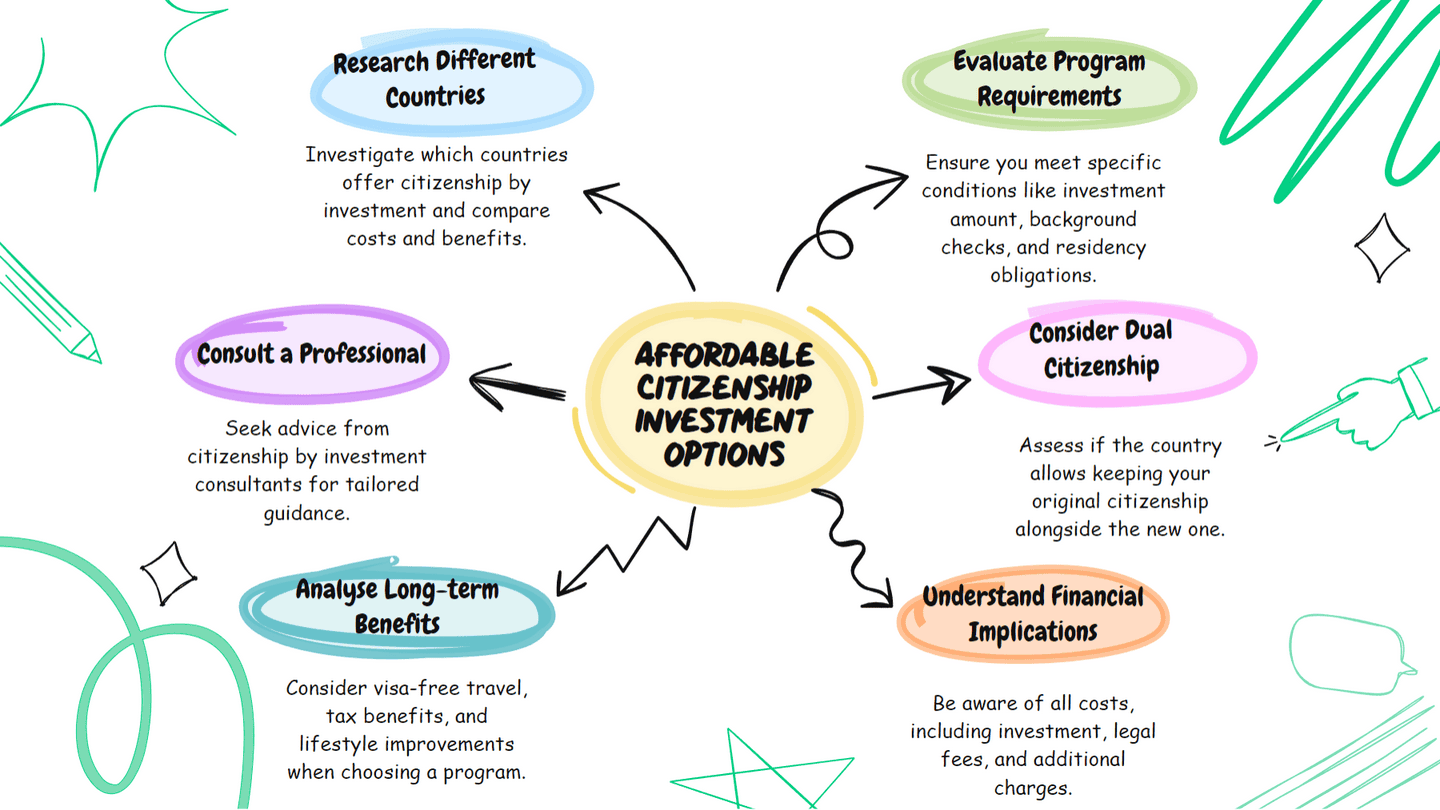
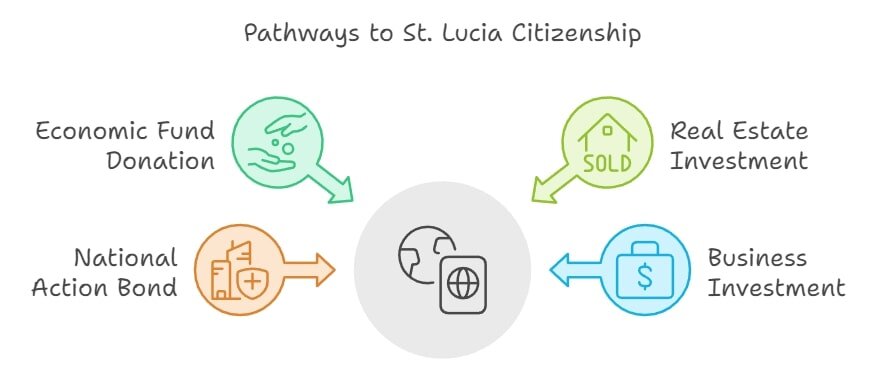
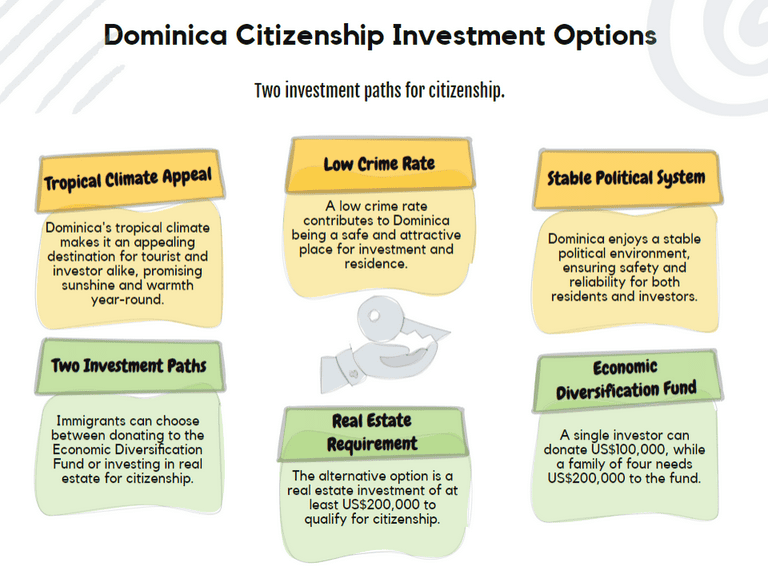

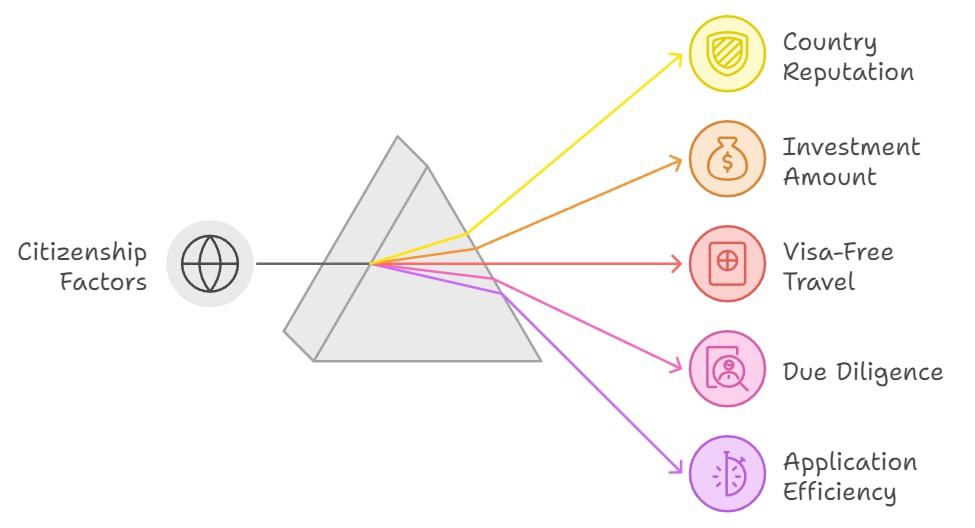
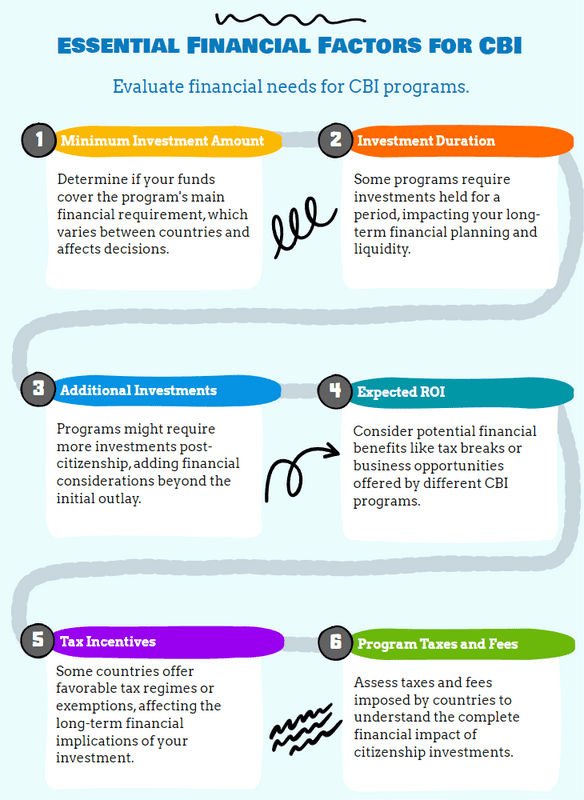
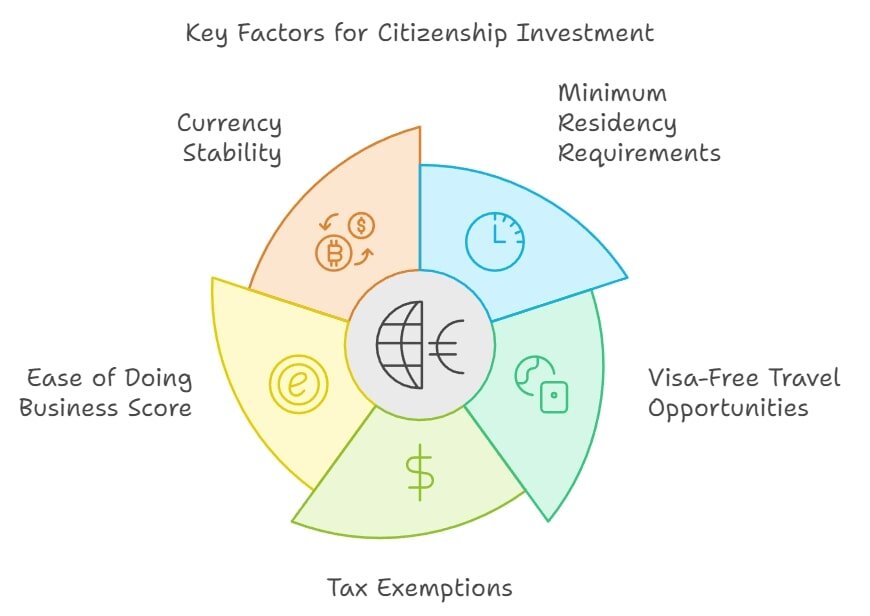
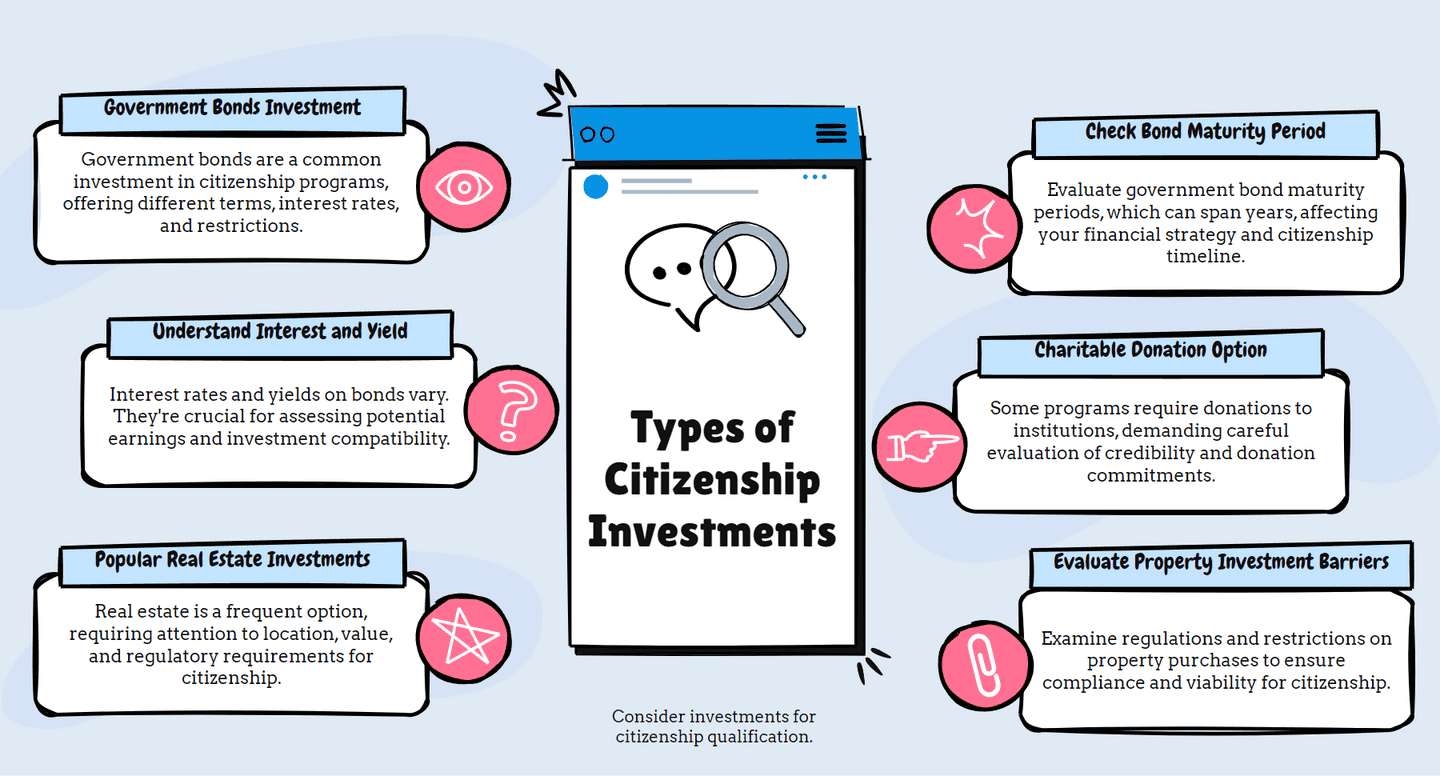
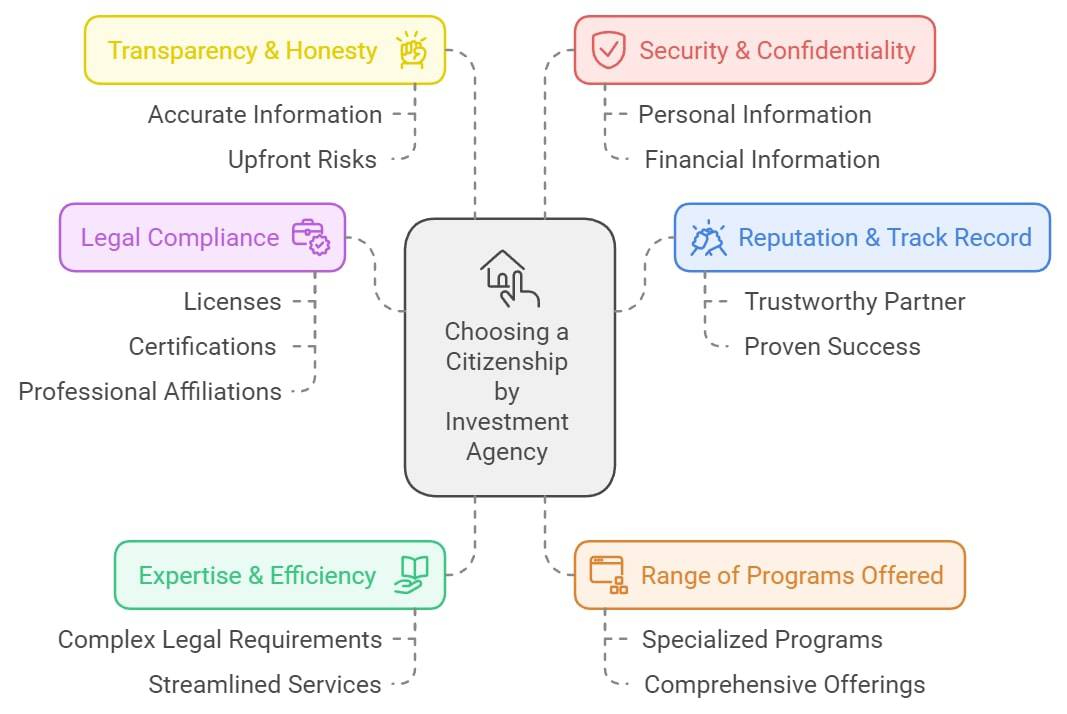

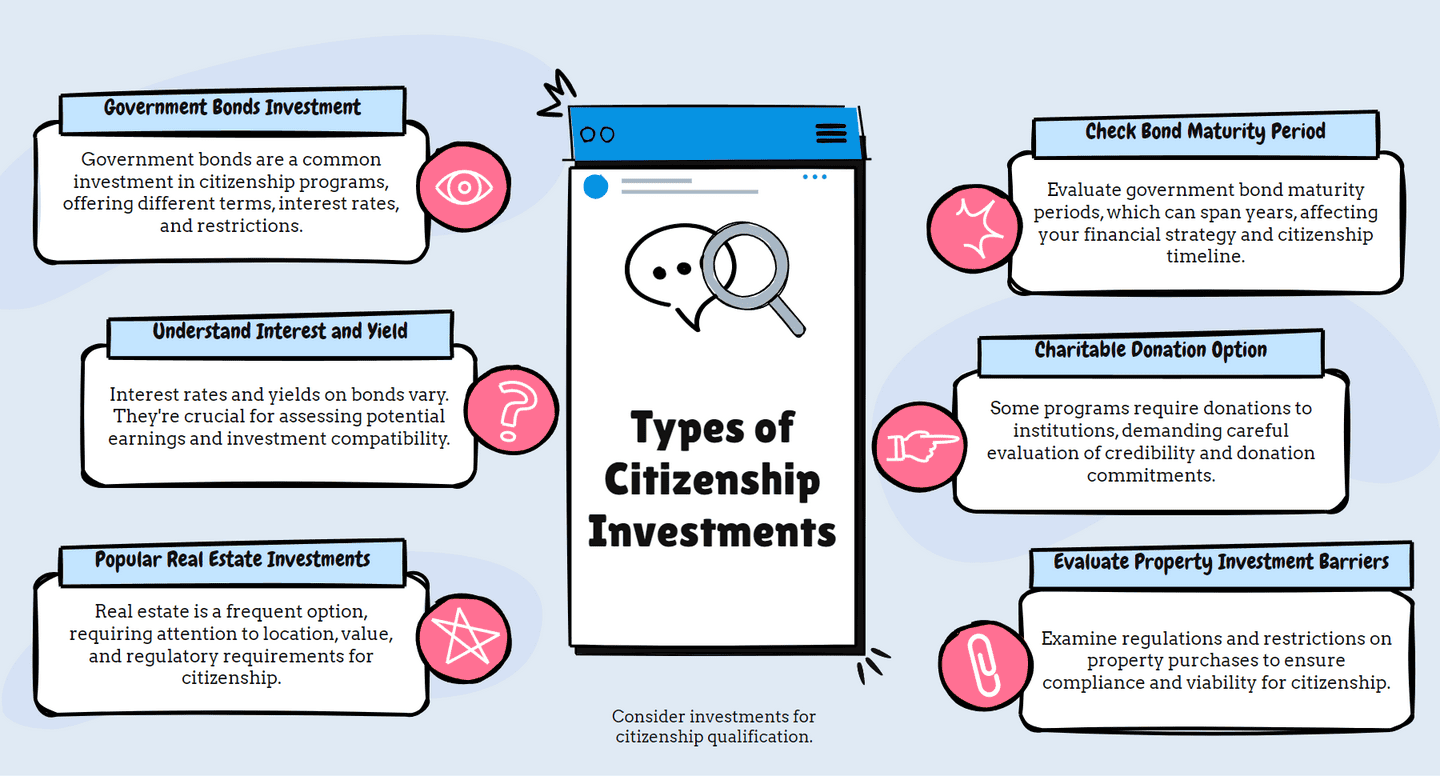
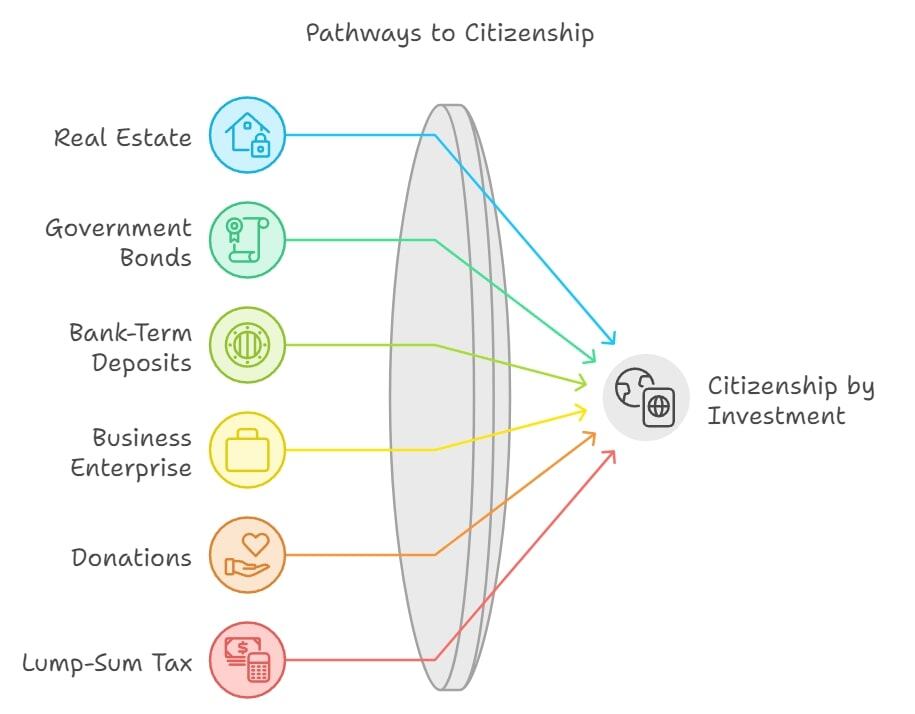
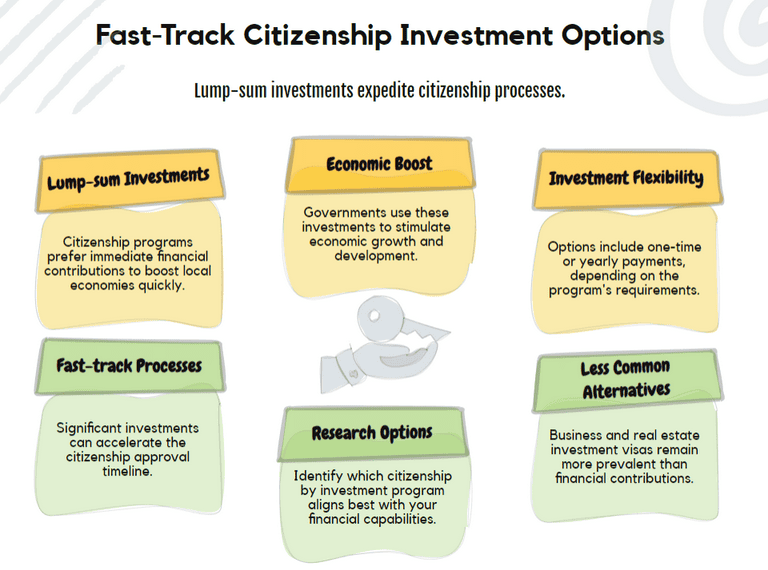

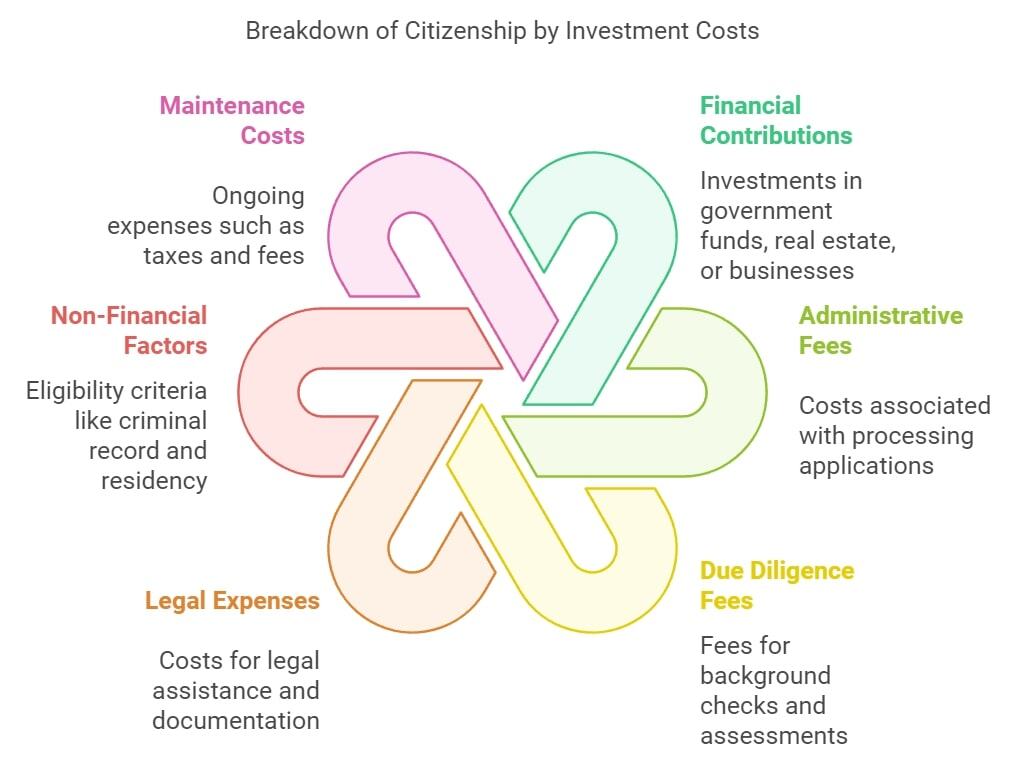
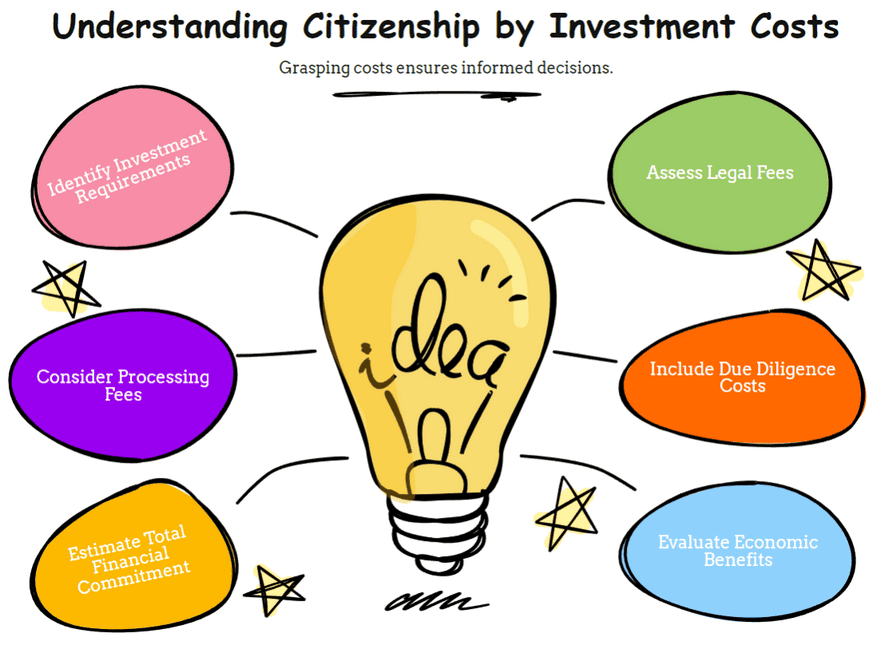
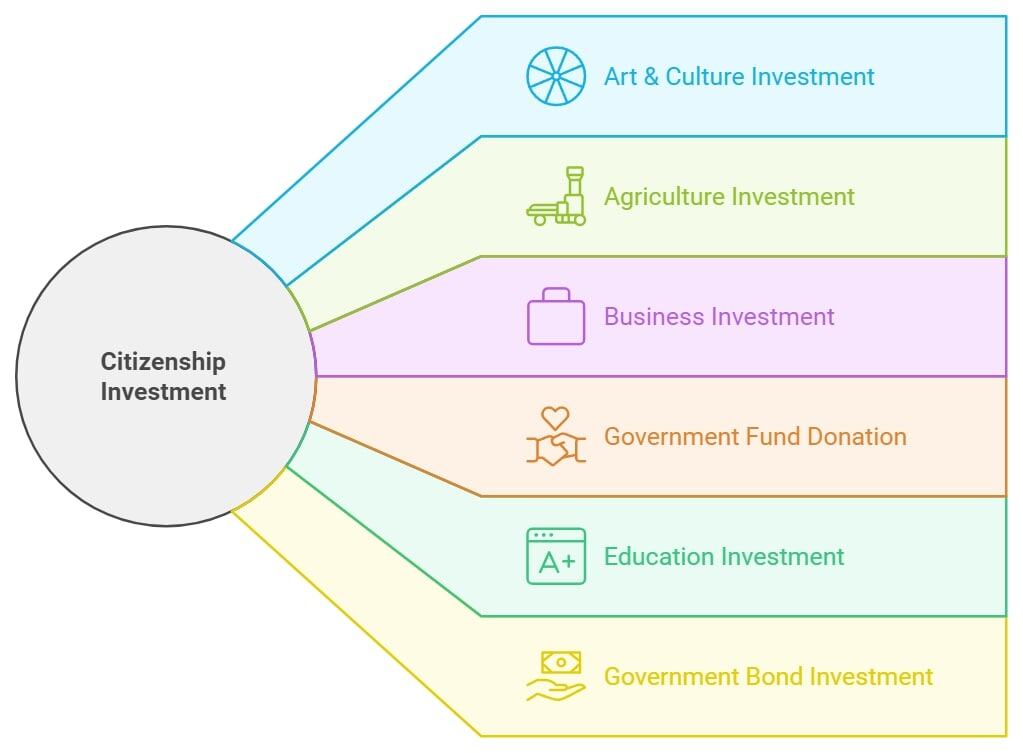
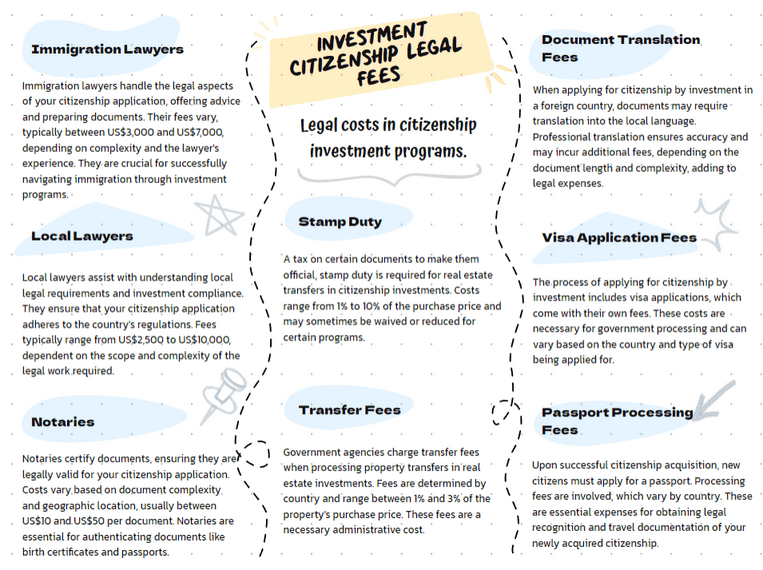
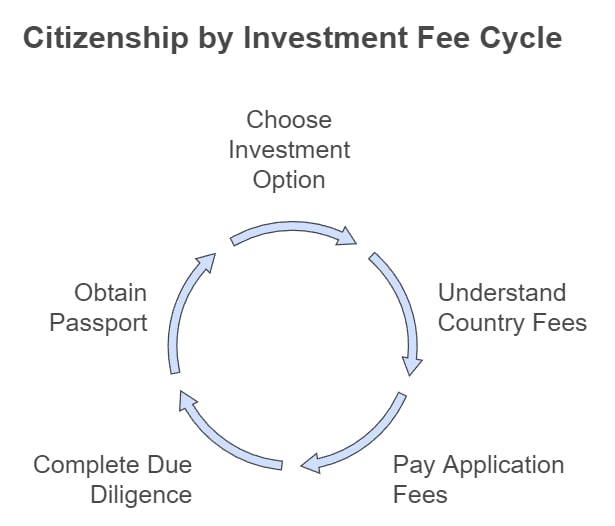
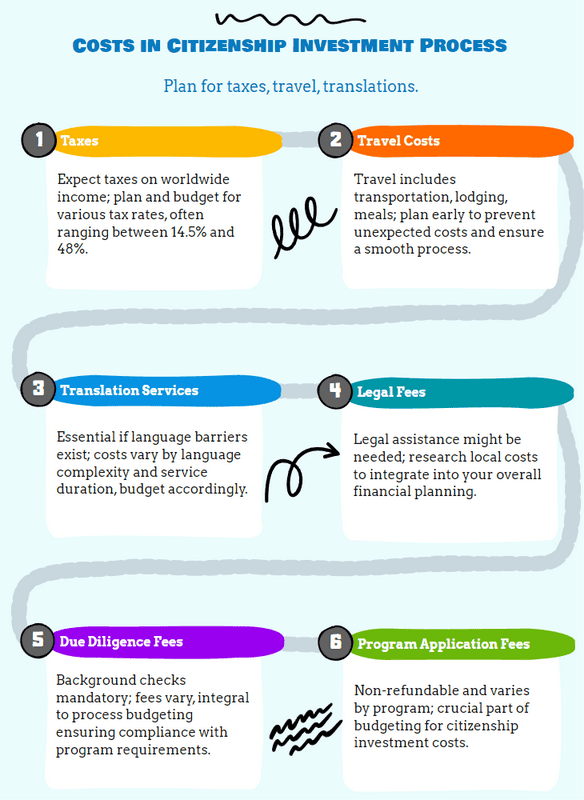


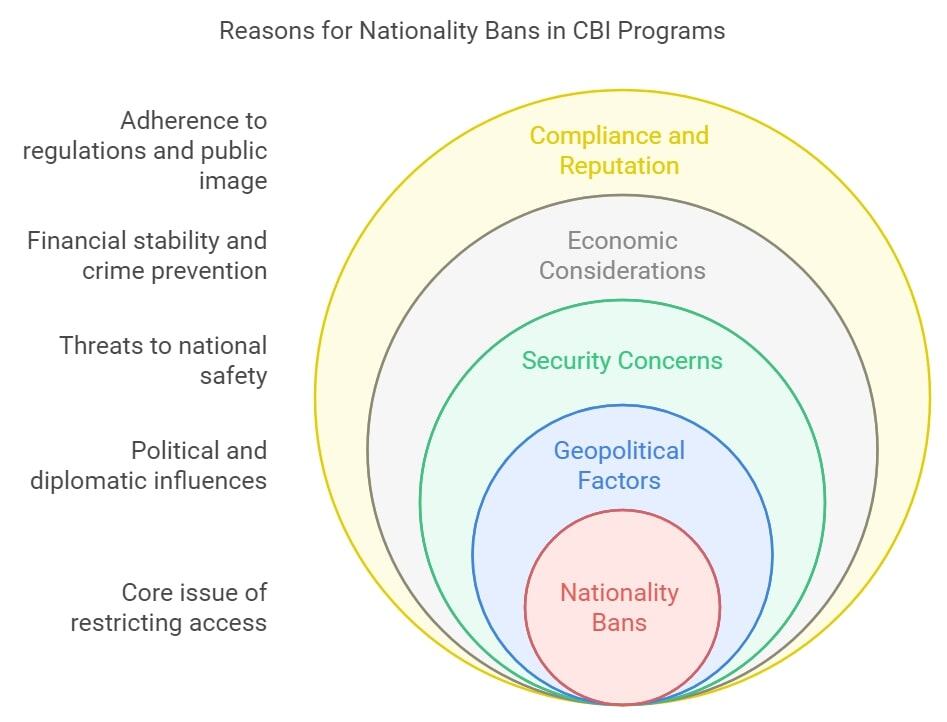
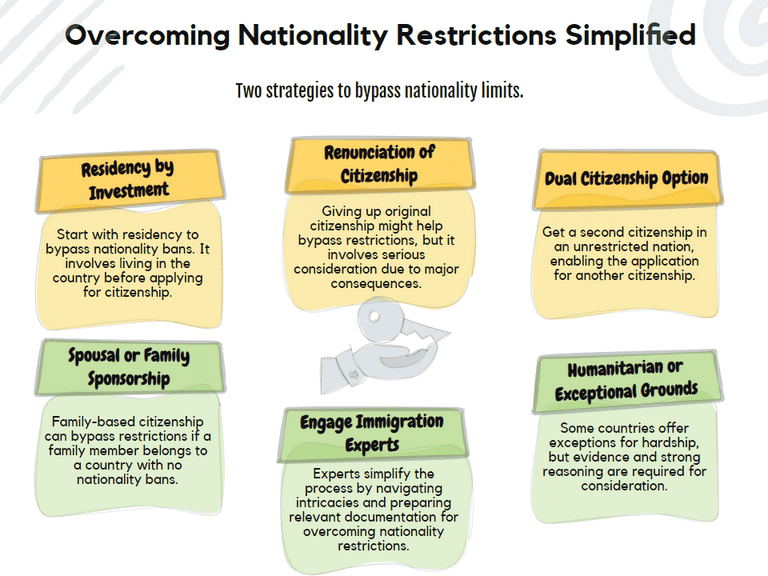

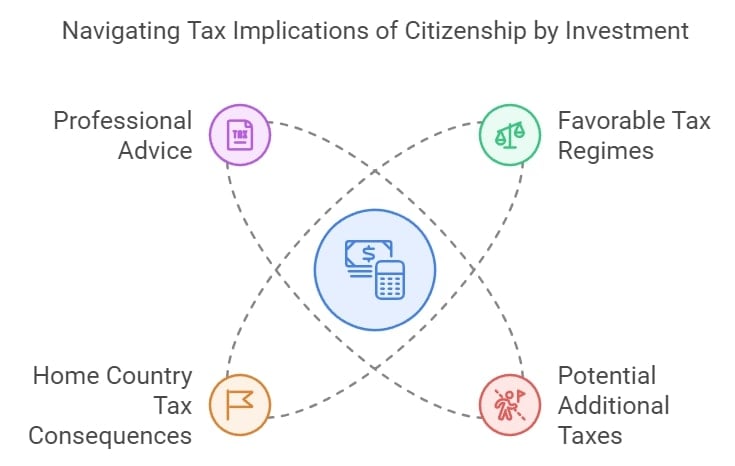
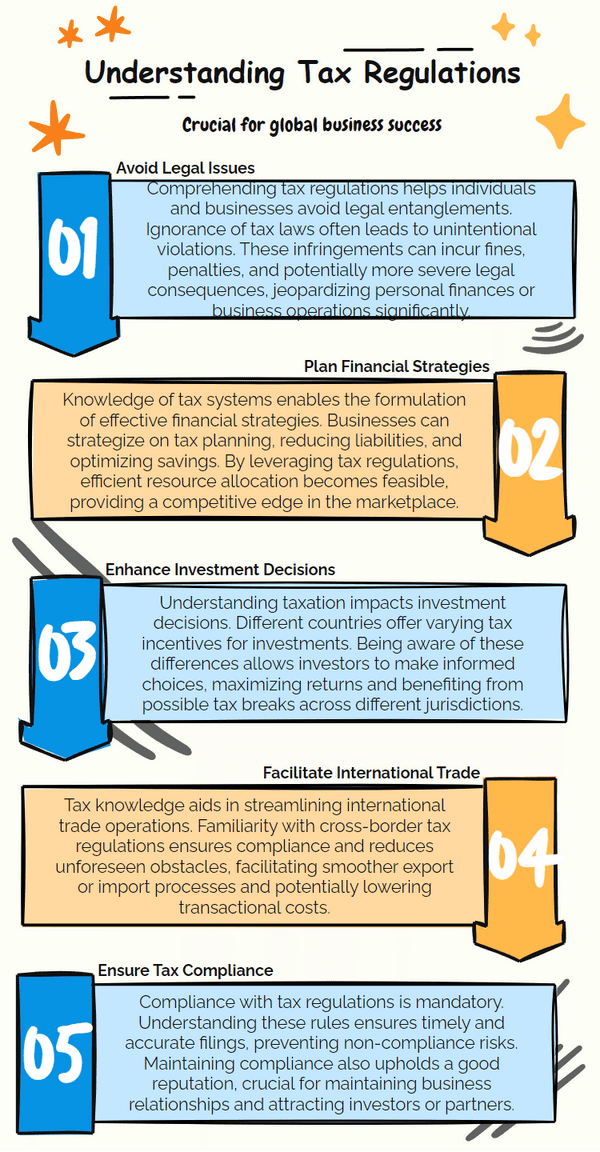

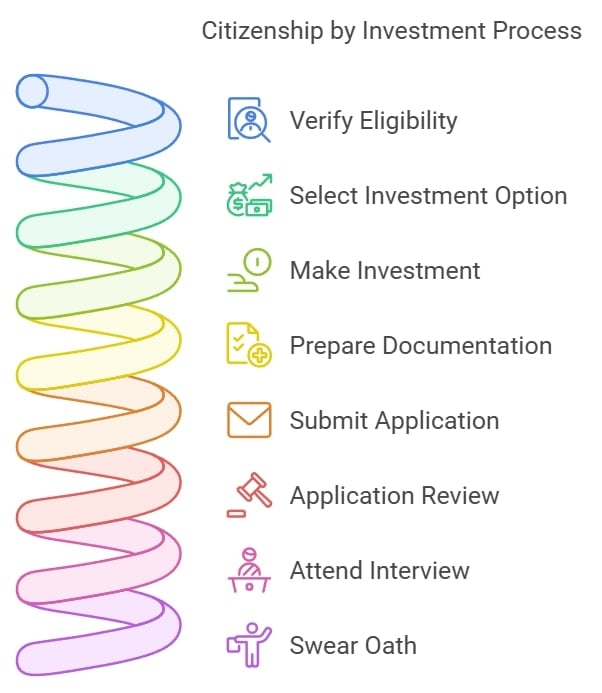
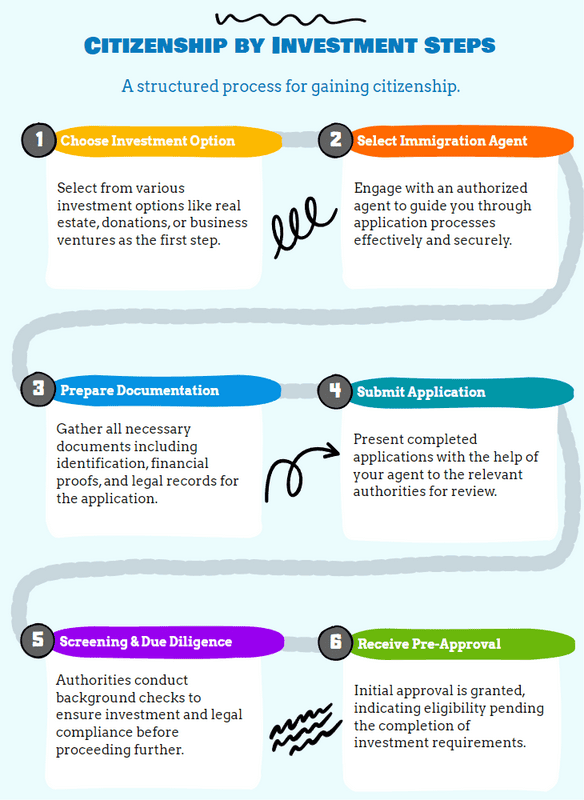

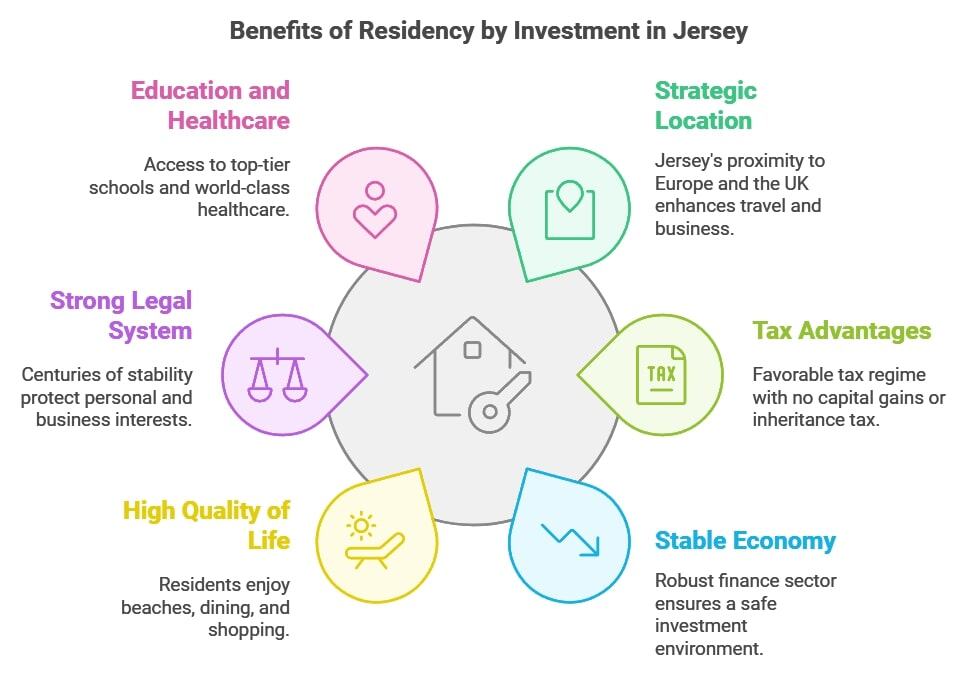
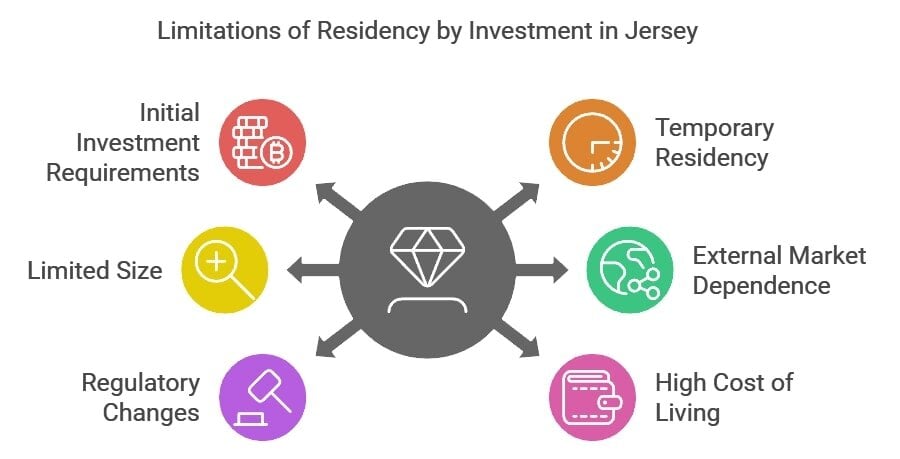
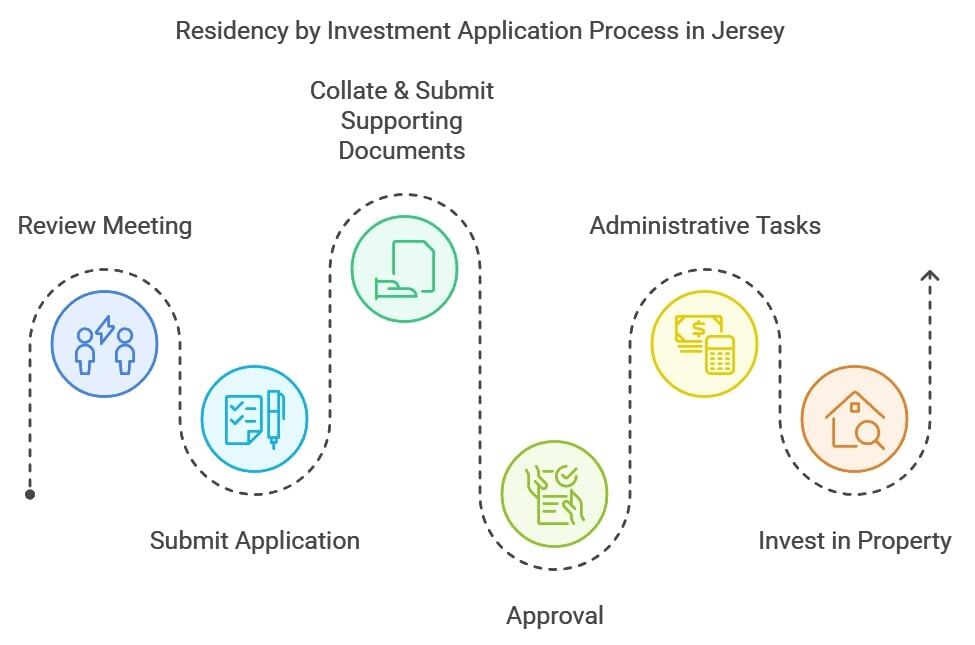

 How Does WorldPassports Ensure Expert-Verified Content?